Air Resistance
Porosity measurement of paper and paperboard governs the passage of air through a sheet under a constant pressure differential. Specifically, TAPPI T460 standardizes the Gurley method for quantifying this permeability in converting operations. Rotary printing presses and high speed filling lines demand predictable air resistance to prevent feed failures and misregistration during transfer stages.
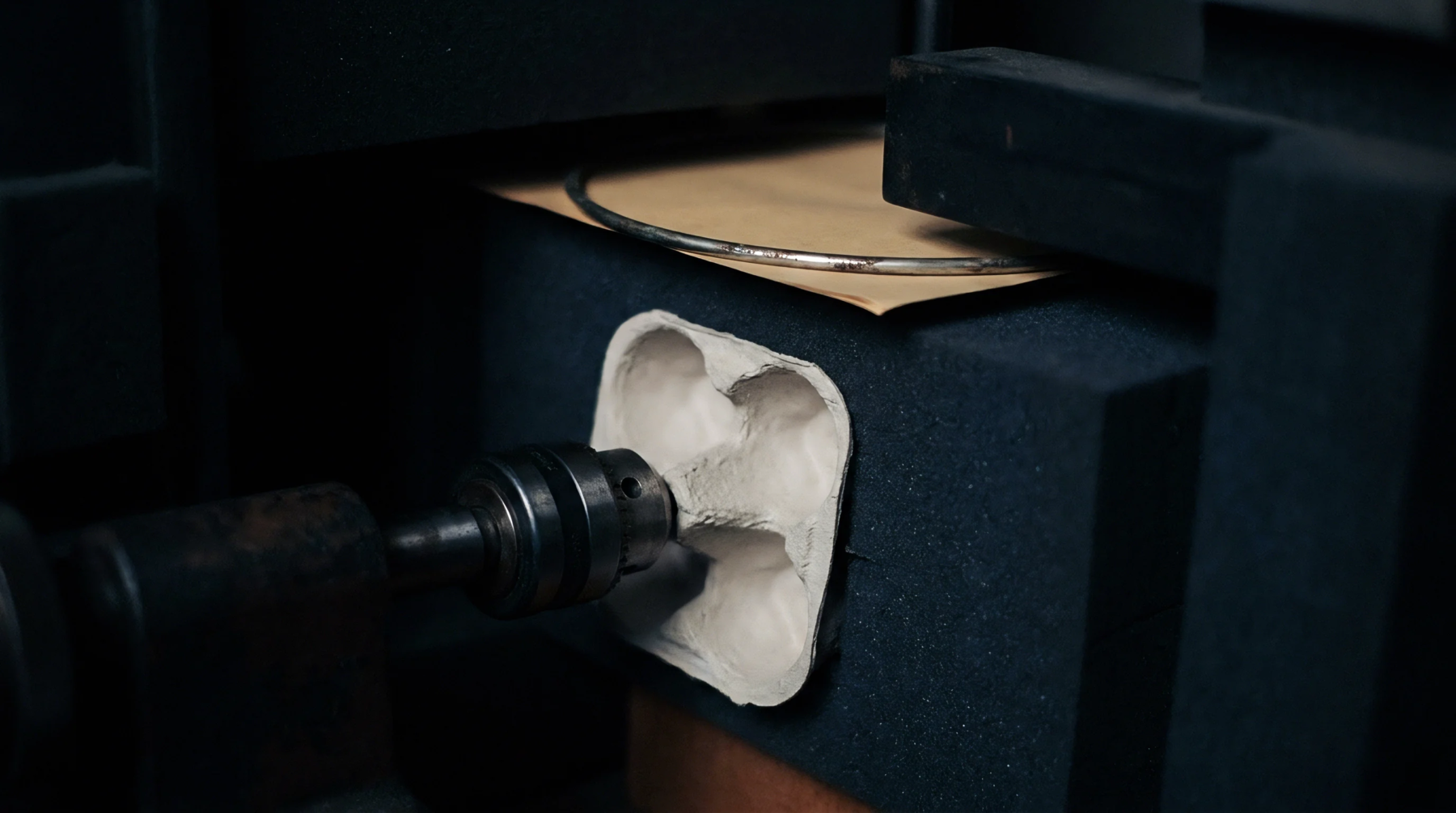
Sheets lacking adequate density allow excessive vacuum loss on suction grippers. Conversely, over-calendered stocks restrict breathing room for moisture release during thermal drying stages. Laboratory technicians mount samples between clamping plates, and pneumatic cylinders force air through a defined area.
Timers record duration as a fixed volume passes through the matrix, yielding seconds per hundred millilitres. Mills maintain tight tolerances on these values to satisfy high speed gluing mandates and ink drying schedules.
Pore Matrix
Capillary networks develop during fibre formation on the paper machine wire and press section. Refining intensity determines total void volume inside the sheet, while secondary pressing reduces interstitial spacing. TAPPI T460 captures the tortuosity of these internal channels rather than measuring pore diameter directly.
Chemical additives alter matrix density by blocking interstitial pathways or promoting fibre bonding. Vacuum boxes on the wet end extract water and simultaneously pull fine particles toward the top side, creating two sided permeability profiles. Converters utilize these differing face values to position printing sides correctly during multi-station web processing.
Sealing Integrity
Heat seal performance in flexible packaging relies heavily on internal air evacuation rates during jaw closure. Low resistance grades trap residual air inside laminate pouches, forming channel leaks along bonded edges. TAPPI T460 values dictate adhesive penetration depths during extrusion coating operations.
Extruders adjust polymer viscosity when incoming substrates show erratic porosity readings. Finished containers withstand drop testing only when barrier layers maintain uniform gas transmission limits. Converters reject shipments failing these pneumatic thresholds because defective sheets compromise shelf life and structural strength under load.