Biopolymer Modification
Modified natural polymers can be processed using standard plastics machinery when they are combined with appropriate plasticizers under thermal and mechanical force. The substance known as thermoplastic starch is an amorphous biopolymer produced by heating native starch with plasticizers like glycerol or sorbitol to break down its crystalline structure. It is used to manufacture biodegradable barrier coatings and films for compostable food packaging.
Material Capability
Material capability of this biopolymer is often enhanced by blending it with synthetic biodegradable polyesters. Since thermoplastic starch is highly sensitive to moisture, these blends improve the water resistance of the coated paperboard. The compound offers an effective oxygen barrier that helps preserve the freshness of packaged dry foods.
Extrusion Processing
Extrusion processing on conventional paper converting lines requires precise temperature control to prevent thermal degradation of the starch molecules. When applied as a melt coating, thermoplastic starch must be kept within a narrow processing window to maintain its viscosity and ensure uniform coverage across the paper substrate. Good adhesion is achieved due to the high polar compatibility between the hydroxyl groups of the starch and those of the cellulose fibers.
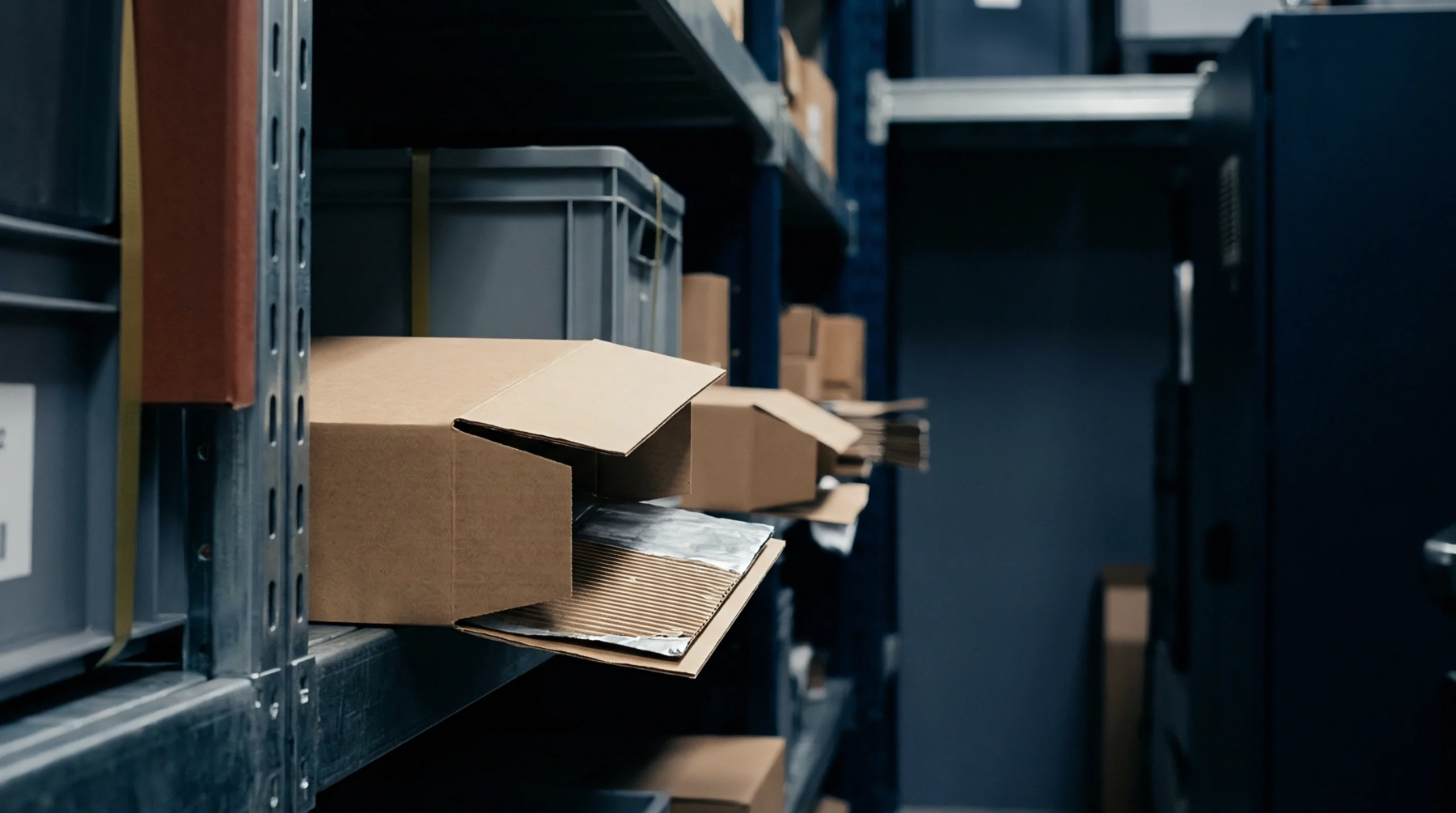
Converters utilize this material to produce fully compostable take-away food boxes that disintegrate rapidly in industrial composting facilities. The resulting barrier layer is safe and leaves no harmful microplastics in the environment after decomposition.