Structural Integrity
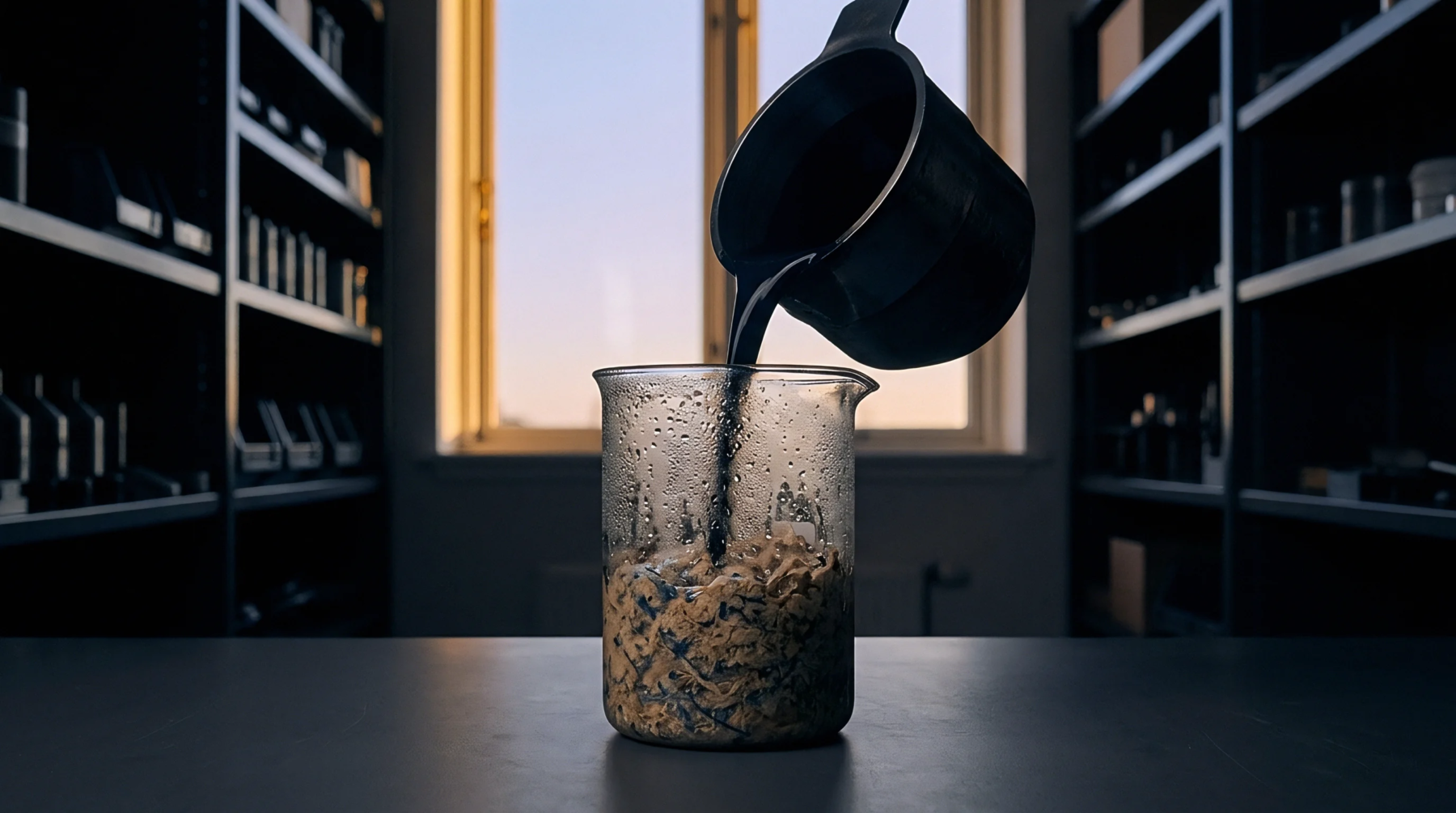
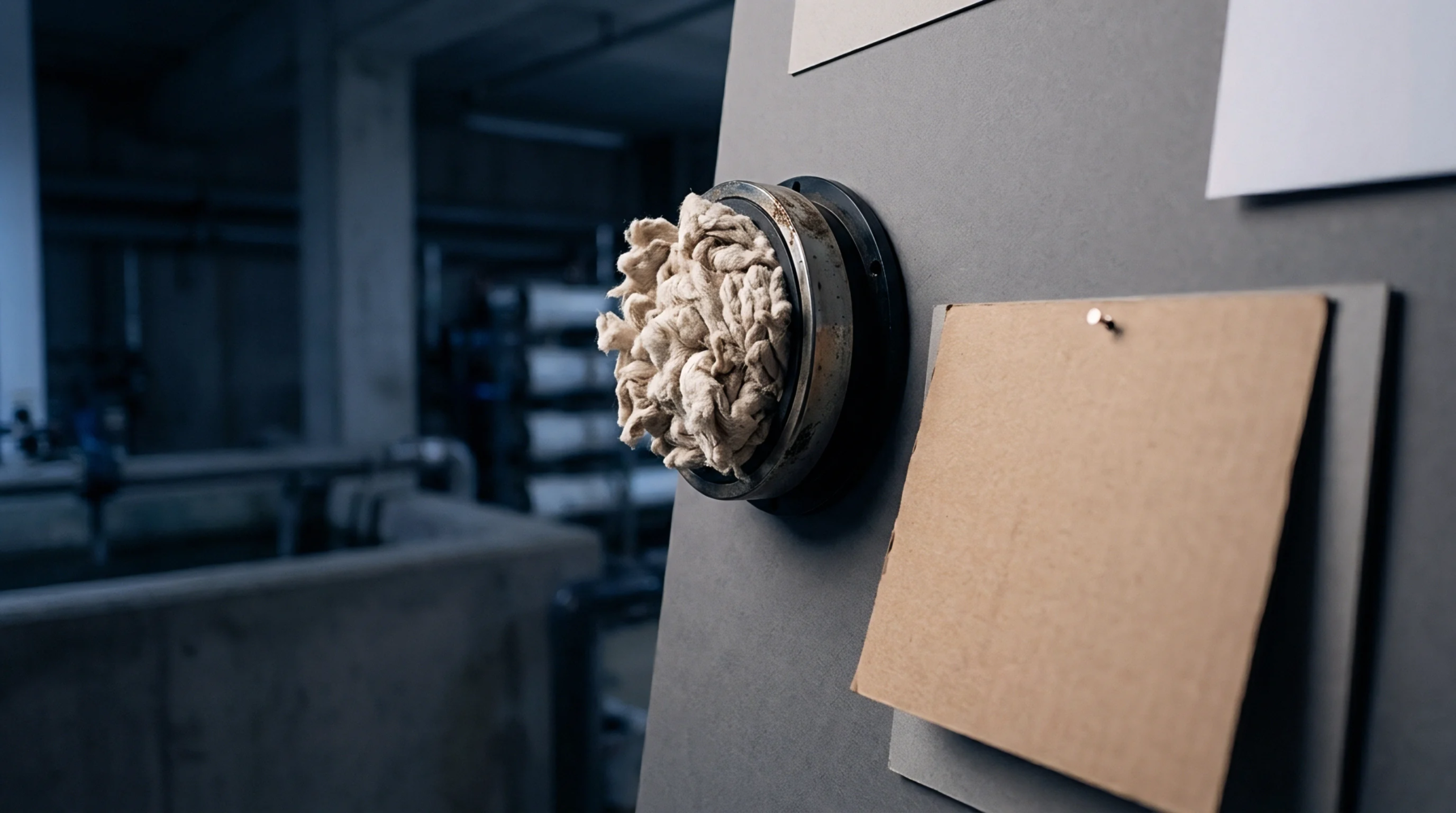
Wood fibres processed through a chemical pulping sequence create this heavy duty paperboard for shipping containers. Unbleached kraft linerboard provides the outer facing of corrugated boxes by maintaining high burst strength and tear resistance under physical stress. Manufacturers produce this substrate without a bleaching process to retain the inherent strength of the lignin and cellulose matrix within the pine or softwood fibres.
Material Composition
Paper mills generate the sheets on a large Fourdrinier machine where the pulp slurry settles onto a moving wire screen to form a continuous web. Unbleached kraft linerboard relies upon the natural brown hue of the pulp, which avoids chemical additives that might degrade the durability of the long virgin fibres. Controlling the basis weight during formation allows for precise adjustments in the caliper of the final board to meet specific stacking load requirements for the packaging supply chain.
Consistent fibre orientation across the machine direction dictates the bending stiffness of the finished containerboard.
Performance Standard
Compression tests quantify the ability of the material to resist crushing when stacked in a warehouse environment. Unbleached kraft linerboard undergoes measurement against the short span compression test to predict how the box side walls hold up under vertical load. Moisture content levels inside the finished product influence the coefficient of friction and the adhesive bond quality during the subsequent corrugating process.
High performance grades require careful regulation of refining energy to ensure that density levels provide maximum protection for the contents during transit.