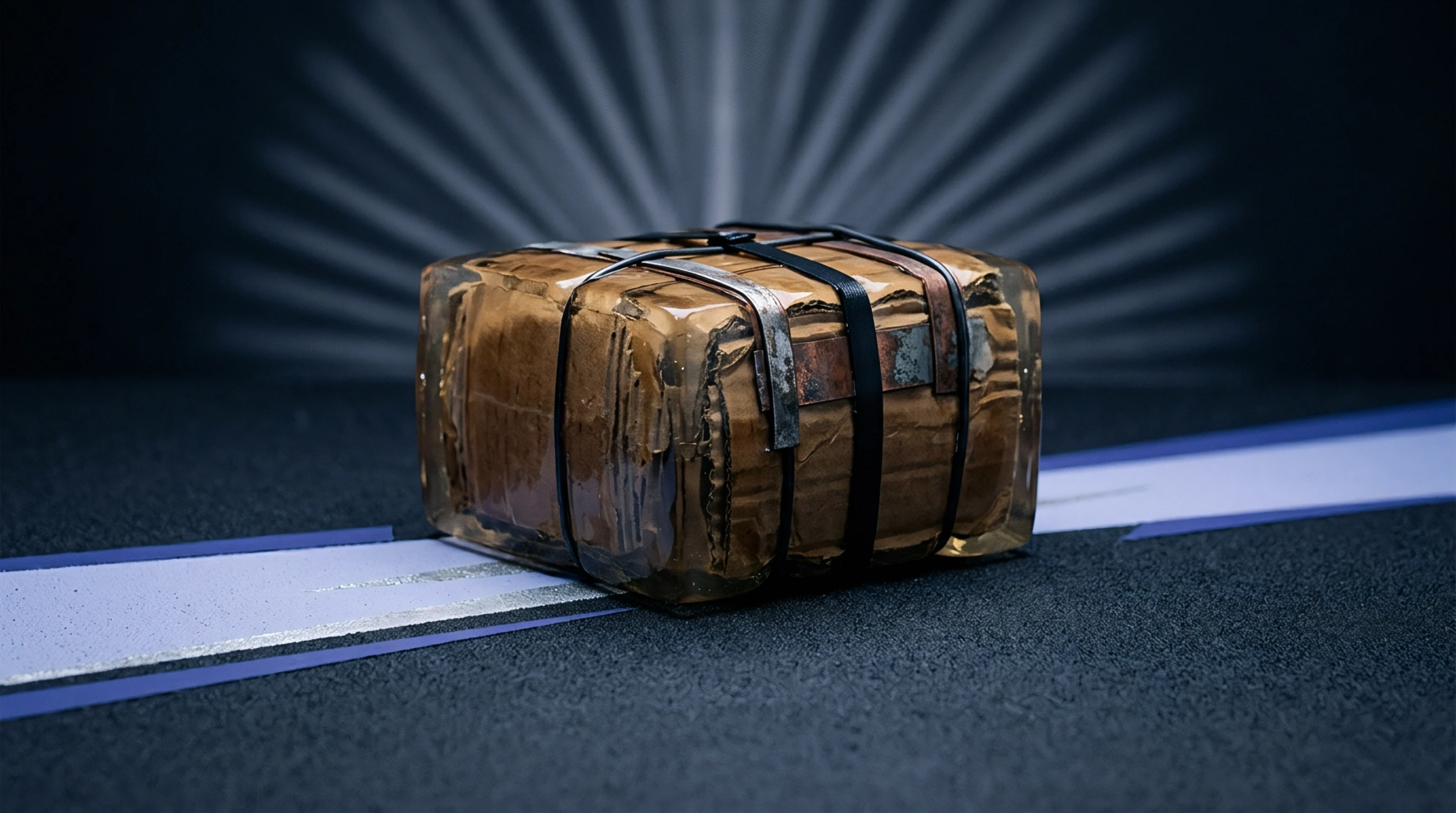
Fibre Composition
Virgin long-fibre pulp forms the raw material foundation of this paper substrate. Uncoated kraft back designates a manufacturing variation where the reverse side of a multi-ply folding boxboard remains untreated by clay or pigment coatings. This design choice maintains the natural porous state of the kraft fibres on the underside while allowing the top ply to receive standard printing treatment.
Structural Integrity
Mechanical strength provides the primary functional benefit for applications demanding rigid structural support during the transit and display of heavy items. Uncoated kraft back retains higher tear resistance compared to clay-coated surfaces due to the absence of pigment binders that interfere with inter-fibre hydrogen bonding. Converting operations like folding and gluing perform differently on this rougher surface because the exposed fibres allow deep adhesive penetration.
These characteristics demand specific adjustments to die cutting pressures and adhesive application volumes to prevent structural failure at the crease points.
Printing Constraints
Visual consistency requires careful management when specifying this material for high-fidelity retail packaging. Uncoated kraft back possesses higher surface roughness and lower brightness values than double-clay-coated alternatives, which forces the reduction of dot gain expectations in offset lithography. Ink absorption levels vary according to the specific fibre refining process employed at the mill, creating a risk of mottled appearance if ink film density exceeds the capacity of the porous substrate.
Moisture sensitivity remains a secondary factor as the exposed underside reacts more rapidly to ambient humidity changes than surfaces protected by kaolin or calcium carbonate layers.