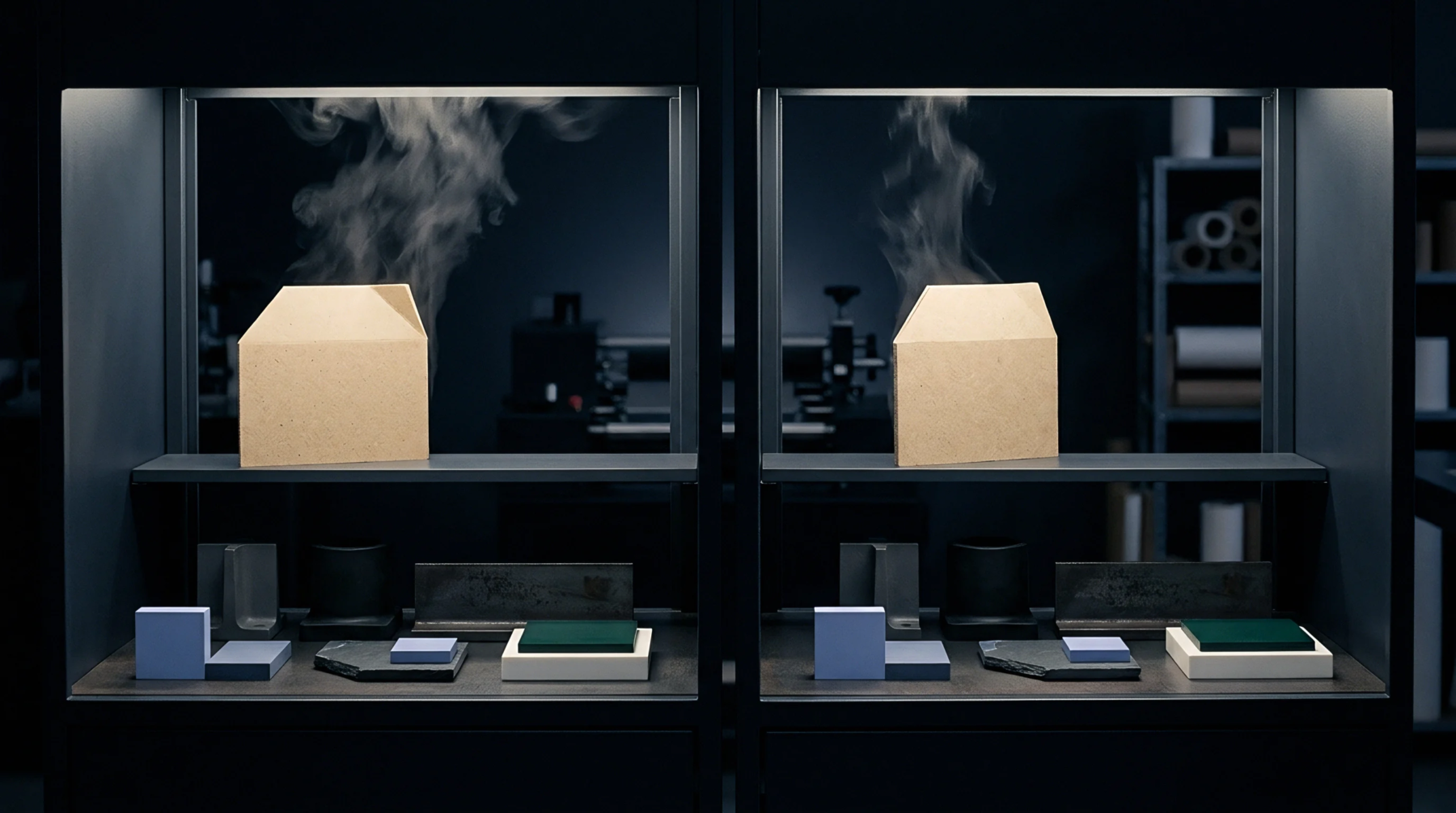
Thermal Load
Excess infrared radiation emitted by mercury vapor lamps during photopolymerization creates thermal load in paper converting operations. The parameter defines the accumulated board temperature resulting from exposure to ultraviolet radiation sources during immediate coating cross-linking. The measurement governs maximum web dimensional stability by establishing the threshold where cellulose degradation begins.
Application ceases when substrate moisture retention falls below three percent because excessive dryness causes brittle carton board cracking.
Curing Energy
Photolytic web finishing requires precise photon density balanced against infrared emission management. Excessive infrared exposure distorts folding carton board dimensions through rapid moisture evaporation across the running web. Converters regulate lamp housing distance and chilled impression roller contact to prevent cellulose scorching during high speed print finishing.
Substrate dimensional stability depends on maintaining strict temperature ceilings beneath high intensity optical sources. Excessive heat causes coating curl and adhesive delamination across coated carton stock. Production lines monitor thermal accumulation continuously to prevent web breakage during inline lacquer cross-linking.
Web Tolerance
Cellulose fibers react poorly to excessive thermal stress generated by high output drying equipment. Paper converting facilities specify maximum web temperature limits to preserve folding endurance and board stiffness. Excessive exposure ruins corrugated board rigidity by breaking down internal starch bonds within the fluting medium.
Converting plants reject stock that shows heat damage because dimensional distortion ruins subsequent die cutting registration. Proper cooling zones downstream from the radiation source restore ambient moisture balance before winding operations resume.