Paperboard Hydrocarbon Extraction and Migration Analysis Basics
Paperboard hydrocarbon migration compliance requires LC-GC-FID speciation of C10-C35 MOSH and MOAH fractions combined with validated functional barrier testing.


Fraction
Paperboard packaging manufactured from recovered fibers carries residual chemical species originating from printing inks, adhesives, and processing aids. Recycled pulp carries offset printing ink residues. Mineral oil saturated hydrocarbons, designated as MOSH, consist of straight-chain, branched, and cyclic alkanes spanning carbon numbers from C10 to C35.
Mineral oil aromatic hydrocarbons, designated as MOAH, comprise highly alkylated mono- and polycyclic aromatic structures across the same molecular weight distribution. Virgin pulpboard displays lower baseline concentrations of these compounds, though internal sizing agents, defoamers, and paraffin wax sizing additives contribute measurable aliphatic fractions.

Mineral Oil Hydrocarbon Speciation in Fibrous Matrices
Analytical characterization splits these contaminants into defined toxicological groups based on molecular weight and ring structure. Lower molecular weight fractions below C16 possess high volatility, vaporizing from board layers into packed dry foods through gas-phase transport at ambient storage temperatures. The intermediate molecular weight range from C16 to C25 exhibits combined migration pathways, driven by both vapor transport and direct contact diffusion.
Fractions extending from C25 to C35 migrate primarily through contact transfer when packaging sits pressed against fatty or dry food structures.
Offset printing inks used in traditional newspaper and commercial printing supply the primary contaminant volume in recycled fiber streams. Heatset offset inks contain up to 30 percent mineral oil distillates by weight, boiling between 240 degrees Celsius and 320 degrees Celsius. Solvent residues, wash oils from recycling plants, and non-food-grade machinery lubricants introduce additional aromatic and saturated ring structures into recycled furnish.
Squalene obscures MOSH integration. Plant-based waxes, synthetic oligomers from polyolefin adhesives, and binder dispersions generate endogenic hydrocarbon fractions that mimic mineral oil peaks during spectroscopic qualification.
| Hydrocarbon Category | Carbon Chain Range | Primary Industrial Source | Chemical Structure Attributes |
|---|---|---|---|
| MOSH Volatiles | C10 to C16 | Inks, wash solvents, defoamers | Open-chain and cyclic alkanes with high vapor pressure |
| MOSH Semi-Volatiles | C16 to C25 | Mineral wax sizing, offset inks | Branched iso-alkanes, naphthenic ring systems |
| MOSH Non-Volatiles | C25 to C35 | Machinery greases, heavy waxes | High molecular mass saturated ring structures |
| MOAH Alkylated Mono-Aromatics | C10 to C20 | Solvent dyes, newsprint offset inks | Single benzene rings with alkyl side chains |
| MOAH Poly-Aromatics | C20 to C35 | Technical mineral oils, crude inks | Di- and tri-aromatic fused ring structures |

Carbon Number Distribution and Toxicological Profile
Toxicological evaluations by European safety authorities highlight contrasting health risk profiles between saturated and aromatic rings. Saturated alkanes in the C16 to C35 range accumulate in human tissue, specifically targeting the liver, lymph nodes, and spleen, where they form microgranulomas. Aromatic fractions containing three or more non-alkylated or alkylated aromatic rings present mutagenic and carcinogenic risks, prompting regulatory proposals for near-zero tolerance limits in direct-contact food packaging.
Qualifying paperboard requires pinpointing the exact carbon number distribution rather than measuring total organic carbon. Laboratory profiling isolates specific integration windows between n-C10 and n-C35 standard markers on chromatograms. Saturated structures lighter than C10 evaporate during board drying cycles on the paper machine, while molecules heavier than C35 remain bound inside the porous fiber web due to low vapor pressure and strong physical adsorption.
Sourcing desks face supplier claims asserting that thermal pulping and washing steps eliminate mineral oil fractions from recovered paper furnish, despite laboratory data showing that standard deinking lines remove less than forty percent of non-polar offset ink binders.


Solvent
Quantifying organic compounds inside porous paperboard demands targeted extraction procedures capable of stripping non-polar contaminants without dissolving the underlying cellulose matrix. Standard EN 14338 defines rapid extraction methods utilizing organic liquid mixtures to dissolve free hydrocarbons from board samples. Complete dissolution requires matching solvent polarity to the target analytes, forcing analytical workflows to balance extraction yield against matrix interference.
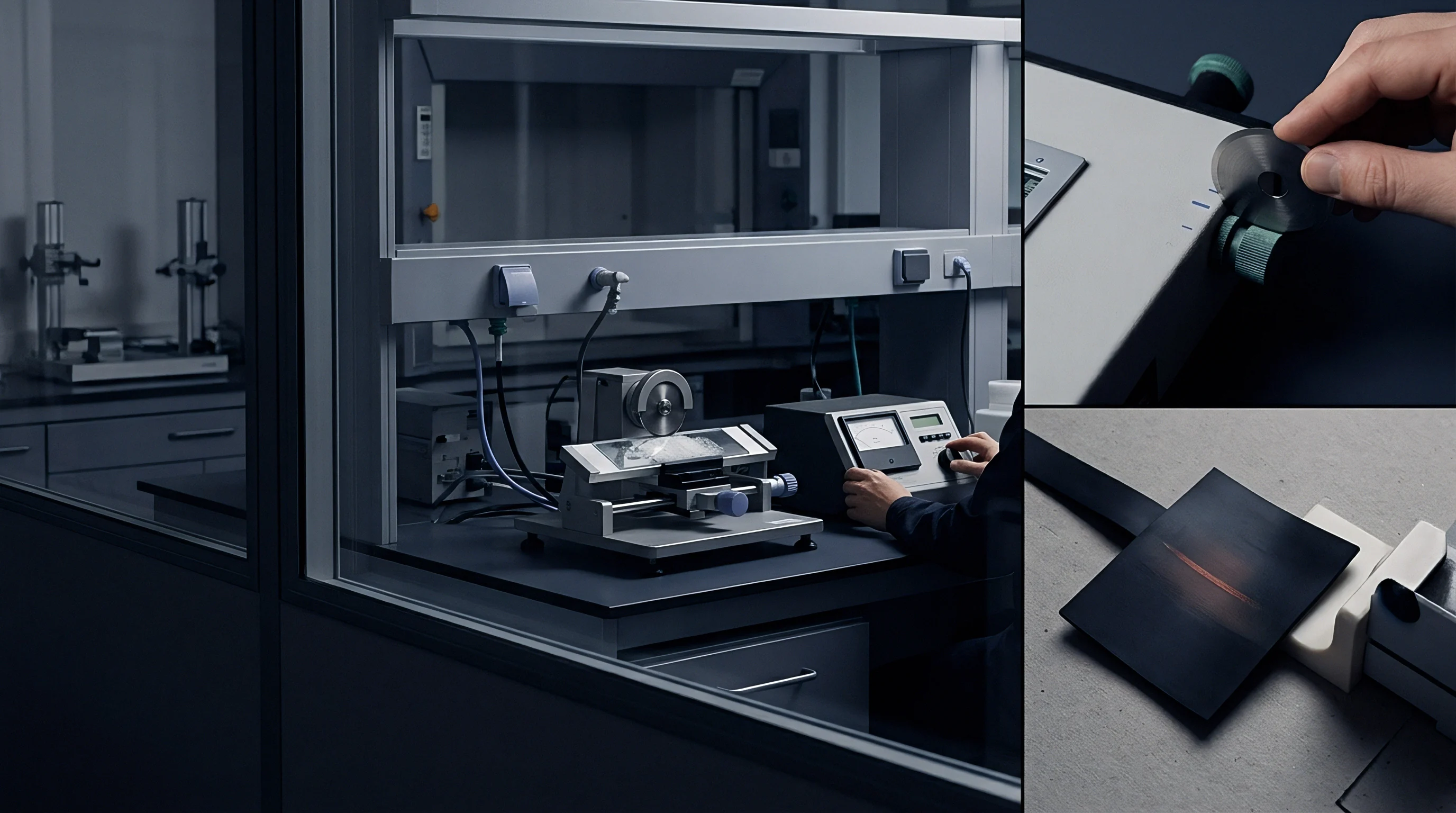
Online LC-GC-FID Extraction Workflows
Coupling liquid chromatography to gas chromatography with flame ionization detection creates the standard analytical benchmark for mineral oil quantification. The liquid chromatography stage uses a silica gel column decorated with silver nitrate or specialized stationary phases to separate saturated alkanes from aromatic species. Hexane and dichloromethane act as mobile phases, driving the separated saturated and aromatic fractions into two distinct retention loops.
Solvent purity determines detection limits.
Automated transfer units flush the isolated liquid fractions directly into the gas chromatograph injection port. Gas chromatography isolates carbon fractions. Thermal desorption and vaporization inside the injection chamber split the carbon fractions across a non-polar capillary column, generating distinct chromatographic humps topped by sharp peaks representing natural plant alkanes.
Integration of the total area beneath the unresolved complex mixture hump yields the quantitative mass concentration of the hydrocarbon group in milligrams per kilogram of paperboard board material.
Saturated mineral hydrocarbons extracted from 350 grams per square meter recycled folding boxboard yield average total concentrations of 180 milligrams per kilogram under standard warm-solvent conditions.
Solvent Matrix Effects and Interfering Olefins
Natural components inherent to wood fibers present persistent analytical interference during flame ionization detection. Endogenic plant waxes, terpene resins, rosin size constituents, and synthetic polyolefin oligomers elute in the same retention windows as mineral oil alkanes. Olefins alter chromatogram baseline values.
Synthetic adhesive oligomers derived from polyethylene or polypropylene hot-melts generate structured peak patterns that overlap the C20 to C30 saturated hydrocarbon humps, creating false-positive quantification values.
Eliminating these false signals requires chemical modification steps before gas chromatography injection. Epoxidation using m-chloroperbenzoic acid converts naturally occurring olefins and squalene into polar epoxide derivatives. Epoxidation removes natural olefin interferences.
These oxidized derivatives stick tightly to the silica stationary phase during liquid chromatography separation, preventing them from entering the flame ionization detector. Clean blanks validate baseline calibration. Standardizing solvent extraction times and maintaining reagent temperature control prevents the thermal degradation of delicate paperboard sizing polymers into light volatile fragments during sample preparation.
High extraction yields require high solvent temperatures, yet excessive thermal energy strips structural binders that skew baseline chromatographic integration.


Simulant
Direct testing of packaged food items poses significant analytical hurdles due to complex fat matrices, natural lipids, and variable storage conditions. Compliance verification relies on standardized food simulants designed to replicate the absorption capacity and vapor transport mechanics of real food products under controlled laboratory conditions. Standard EN 1186 and European Regulation 10/2011 establish testing parameters using synthetic media to quantify migrated species.

Which Analytical Simulant Captures Dry Food Migration?
Synthetic resin substrates replace dry foodstuffs during migration assessment procedures. Poly(2,6-diphenyl-p-phenylene oxide), commercially identified as Tenax and designated as Simulant E under packaging safety standards, acts as the primary porous adsorbent for dry food applications. Tenax absorbs volatile hydrocarbon vapors.
The macro-porous polymer structure captures organic molecules vaporized from the board sample across elevated temperature conditions without altering the physical structure of the paperboard specimen.
Placing the paperboard sample in direct contact with powdered Tenax inside a sealed migration cell simulates worst-case mass transfer into dry grain, flour, or bakery products. A surface area to food mass ratio of six square decimeters per kilogram of simulant standardizes exposure metrics across varying board grammages. Following exposure, solvent extraction of the Tenax powder recovers the absorbed compounds for online liquid-gas chromatographic analysis, isolating the mass of migrated substances per unit of surface area.
- Vapor Phase Saturation occurs when low-molecular-weight compounds establish equilibrium inside packaging headroom before adsorption onto food surfaces.
- Direct Contact Diffusion happens when porous paperboard surfaces physically touch food granules, accelerating liquid-phase capillary migration across contact points.
- Thermal Degradation Pinholes form in thin internal polyolefin films when test temperatures exceed polymer softening points, invalidating barrier resistance data.
- Incomplete Extraction Recovery results when high-molecular-weight hydrocarbons adsorb permanently onto cellulose fibers rather than transferring to the simulant layer.
Testing paperboard against modified polyphenylene oxide simulant at 60 degrees Celsius for ten days simulates a two-year shelf life exposure at ambient storage conditions under European testing standards.

Temperature and Contact Time Acceleration Factors
Accelerated storage testing condenses real-world shelf lives spanning months or years into manageable laboratory timeframes. Standard testing protocols deploy ten-day exposure regimes at elevated thermal settings to force kinetic mass transport across board layers. Testing at 40 degrees Celsius models medium-term ambient storage, while 60 degrees Celsius simulates long-term storage exceeding twelve months for dry shelf-stable goods.
Migration rates accelerate at elevated temperatures.
Temperature selection alters the physical mechanism of migration inside the paperboard web. Thermal conditions exceeding 60 degrees Celsius melt natural paperboard waxes and soften internal synthetic binders, inducing artificial migration pathways that never occur at 20 degrees Celsius. Moisture content within the test cell also influences kinetic transfer rates; humidified conditioning expands the cellulosic pore structure, increasing gas diffusion coefficients across the fibrous sheet.
Testing protocols must balance thermal acceleration against material integrity to avoid generating artificially inflated migration values.
Laboratory reports demonstrating zero migration into dry simulants under static cold conditions leave open whether vibration and mechanical compression during transit force contact transfer across package walls.

Barrier
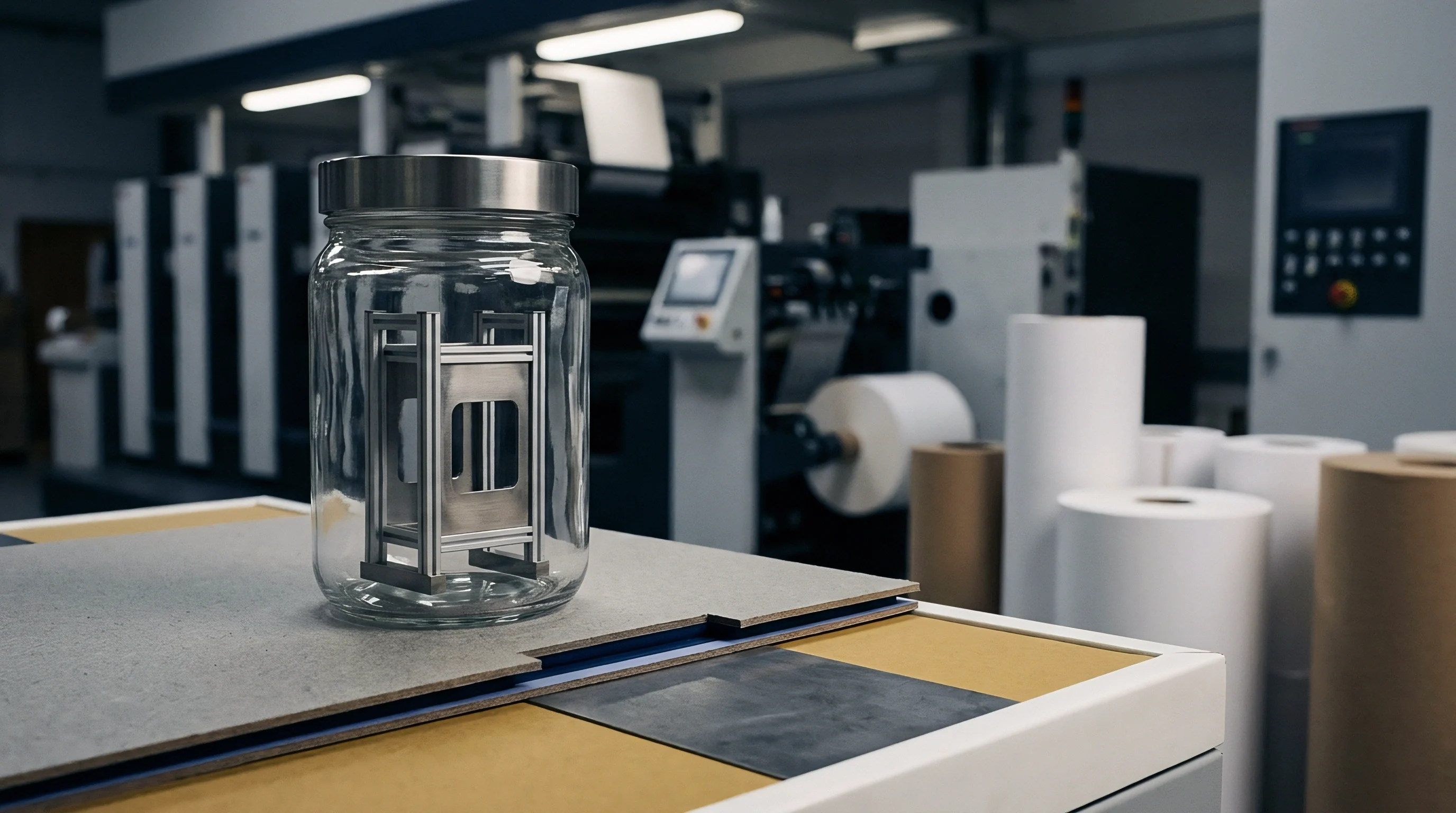
Preventing volatile and semi-volatile hydrocarbon compounds from contaminating packaged goods requires placing a continuous physical or chemical shield between the paperboard substrate and the food matrix. Uncoated recycled paperboard possesses high gas permeability due to inter-fiber void space, allowing volatile alkanes to traverse a 400-micron board sheet in hours. Functional coatings and inner liners interrupt this mass transport by lowering diffusion rates and extending breakthrough lag times.
Functional Coating Chemistry and Pinholes
Polymer coatings applied via extrusion or dispersion methods alter the surface energetics and gas tightness of paperboard webs. Ethylene vinyl alcohol, polyamides, polyvinyl alcohol, and specialized water-based acrylate dispersions form dense molecular networks that resist non-polar hydrocarbon penetration. Dispersion layers prevent vapor breakthrough.
Functional coatings block gaseous mass transport.
Coating integrity depends on film continuity across the rough, porous surface of the paperboard sheet. Surface peaks created by stiff wood fibers penetrate thin liquid dispersion coatings, creating microscopic pinholes that act as high-velocity transport channels for volatile species. Achieving a continuous barrier requires applying minimum coat weights ranging from six to twelve grams per square meter, often combined with double-pass curtain or blade application methods.
Activated carbon additives blended into middle plies of multi-layer folding boxboard offer an alternative mechanism, trapping migrating molecules inside porous carbon structures before they reach the surface film.
| Barrier Material Type | Application Coating Mass | MOSH C10 to C24 Lag Time | Maximum Thermal Limit |
|---|---|---|---|
| Standard Polyethylene Extrusion | 15 to 18 g/m² | Less than 14 days at 20°C | 80°C |
| Ethylene Vinyl Alcohol Copolymer | 3 to 5 g/m² | Greater than 24 months at 20°C | 120°C |
| Water-Based Acrylate Dispersion | 8 to 12 g/m² | 12 to 18 months at 20°C | 100°C |
| Cross-linked Polyvinyl Alcohol | 4 to 6 g/m² | Greater than 24 months at 20°C | 140°C |
| Activated Carbon Trap Plies | 15 to 25 g/m² (internal) | 18 to 24 months at 20°C | 180°C |

Kinetic Migration Modeling and Break-Through Lag Time
Predicting long-term packaging performance relies on mathematical models grounded in Fickian diffusion principles. Diffusion coefficients describe the speed at which hydrocarbon molecules traverse a given barrier material at specified temperatures. Breakthrough lag time defines the temporal delay between initial contact of the hydrocarbon vapor with the outer barrier surface and the emergence of measurable analyte concentrations on the inner package face.
Calculating lag time relies on film thickness, material density, and compound-specific diffusion values. Board thickness dictates diffusion lag time. Carbon traps adsorb migrating molecules.
High-density crystalline polymers yield extremely low diffusion coefficients, forcing migrating molecules to follow tortuous paths through amorphous polymer regions. Chemical purity preserves testing integrity. Combining multi-layer functional barriers with accurate kinetic modeling enables packaging engineers to specify precise coating weights tailored to product shelf-life targets.
A functional barrier coating displaying a diffusion coefficient below 10 to the power of minus 15 square centimeters per second maintains migration protection across a two-year ambient shelf life.
Selecting an inadequate barrier coat weight permits steady-state vapor transport that corrupts direct-contact food supplies long before expiration dates arrive on retail shelves.

Tolerance
Establishing actionable safety limits for packaging materials requires matching analytical detection thresholds against toxicological risk data. European regulatory bodies have established detailed guidance documents and recommendations targeting paperboard packaging, setting specific migration limits, designated as SMLs, for total saturated and aromatic fractions.

Toxicological Baselines and Regulatory SMLs
The European Food Safety Authority established reference thresholds for human exposure based on sub-chronic toxicity studies. Saturated hydrocarbon fractions spanning C16 to C35 carry a recommended specific migration limit of 0.5 milligrams per kilogram of food. Light fractions below C16 require strict control due to rapid bio-accumulation and organ retention dynamics.
Aromatic fractions require substantially stricter regulatory controls due to potential genotoxic carcinogens within three-plus ring structures. European enforcement guidelines enforce a practical quantification limit of 0.15 milligrams per kilogram of food for total MOAH spanning C10 to C35. Analytical findings exceeding this 0.15 milligram threshold trigger immediate market rejection and product recall actions under general food safety regulations.
- Sample three representative carton blanks from production lots using clean, hydrocarbon-free handling tools.
- Extract baseline volatile compounds using warm solvent immersion under EN 14338 test parameters.
- Separate saturated from aromatic fractions using automated silver-silica liquid chromatography.
- Quantify unresolved complex mixture humps across C10 to C35 ranges using gas chromatography with flame ionization detection.
- Compare integrated mass values against specific migration limits established under European compliance guidelines.
German risk assessment guidelines mandate a lower reporting limit of 0.5 milligrams of saturated hydrocarbons per kilogram of dry foodstuff.
German Mineral Oil Ordinance Draft Limits
National regulatory initiatives in Germany have driven technical standards across European packaging supply chains. Draft iterations of the German Mineral Oil Ordinance require functional barriers on all recycled paperboard packaging intended for direct or indirect food contact unless specific raw material purity thresholds are verified.
The draft rules set mandatory compliance mandates for functional barriers: the barrier must prevent aromatic mineral oil migration above 0.15 milligrams per kilogram of food across the declared shelf life. Substrate testing alone becomes insufficient under these rules; converting operations must produce documentation proving that barrier performance holds under final box converting, folding, and scoring conditions. Bending carton scorelines cracks brittle barrier layers, creating localized migration hot-spots that exceed legal tolerances.
Sourcing agreements specify that paperboard lots exceeding 240 milligrams per kilogram of total MOSH must incorporate a certified functional barrier before converting into food contact formats.

Dossier
Demonstrating compliance to regulatory authorities and retail buyers requires assembling a technical compliance file containing certified analytical test data, raw material declarations, and traceability records. A claim printed on a carton carries legal liability back to the brand owner and importer of record, making unsupported marketing claims an immediate risk at customs borders and retail intake docks.
Structure of a Food Contact Declaration of Compliance
A complete Declaration of Compliance, abbreviated as DoC, connects specific paperboard grades to verified end-use parameters. The document identifies the manufacturer, manufacturing locations, substrate trade names, grammage ranges, and exact regulatory instruments evaluated during qualification testing. Blanket statements alleging general compliance with food safety laws carry zero legal weight without supporting laboratory test numbers attached.
The DoC specifies clear boundaries of use, defining acceptable food types, contact temperatures, and maximum storage durations. Declarations must list whether the board is suitable for dry, moist, or fatty foodstuffs, and whether an intermediate functional barrier layer is mandatory. Disclosing non-intentionally added substances, known as NIAS, forms a required element of the dossier, confirming that degradation products, ink breakdown compounds, and adhesive impurities have been screened and risk-assessed.
| Document Type | Issuing Authority | Essential Scope Items | Re-Validation Interval |
|---|---|---|---|
| Declaration of Compliance | Paperboard Mill or Converter | Substrate trade names, contact conditions, functional barrier mandates | Annual or upon furnish change |
| LC-GC-FID Analytical Report | Accredited Testing Laboratory | MOSH/MOAH C10-C35 breakdown, simulant used, extraction parameters | Bi-annual or per pulp batch shift |
| Raw Material Ink Declaration | Printing Ink Manufacturer | Mineral-oil-free formulation proof, vegetable oil vehicle verification | Annual declaration update |
| Barrier Integrity Certificate | Coating Chemical Supplier | Diffusion coefficients, pinhole resistance, score-line flexibility limits | Triennial baseline certification |

Audit Trails for Converting and Printing Supply Chains
Maintaining a defensible dossier demands establishing chain-of-custody tracking from virgin or recycled pulp sourcing through converting operations. Printing operations must provide documented proof that offset inks, flexographic washes, overprint varnishes, and laminating adhesives conform to low-migration or mineral-oil-free standards. Substituting an uncertified printing wash or using low-cost offset inks on a secondary press line invalidates the substrate qualification file instantly.
Verification protocols mandate regular, scheduled batch testing rather than relying on historical mill certificates. A robust quality plan samples board shipments at defined tonnage intervals or when mill furnish sources shift between virgin and recycled fractions. Maintaining full batch traceability links specific roll numbers, converting shift logs, and analytical test results into a unified audit trail that survives regulatory scrutiny during market surveillance inspections.
Verification checklists for incoming paperboard stock must validate certificate scopes against exact grade names, confirm ISO 17025 accreditation for testing laboratories, and cross-reference batch numbers against mill delivery notes before releasing material to converting lines.
- Scope Verification confirms that analytical test reports match the precise grammage, trade name, and coating specification of delivered board rolls.
- Laboratory Accreditation validates that test facilities maintain ISO 17025 certification specifically for LC-GC-FID mineral oil analysis methods.
- Furnish Consistency Tracking monitors recycled fiber ratio changes at the mill to trigger analytical re-testing when raw material inputs shift.
- Converting Auxiliary Auditing verifies that die-cutting lubricants, side-seam adhesives, and fountain solutions contain zero mineral oil vehicles.
Converting lines running certified barrier board must calibrate scoring channel depths precisely to prevent micro-fracturing of functional dispersion films along carton creases during high-speed folding.