Molecular Duration
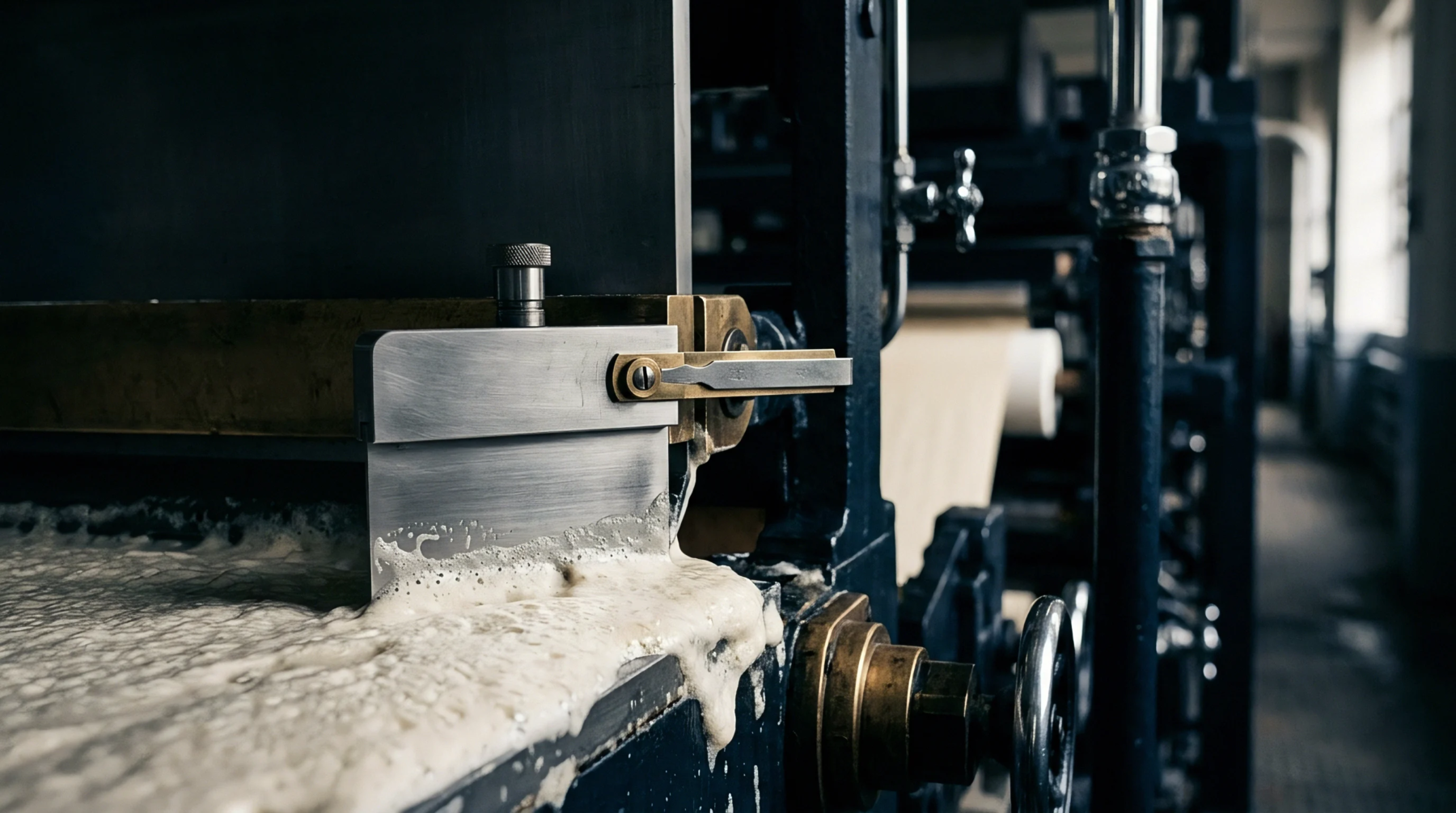
Molecular movements in a polymer chain determine the period required for the system to return to equilibrium after being subjected to an external deformation. Within waterborne coating formulations, acrylic polymer relaxation time influences how quickly the molecules reorganize when they exit a high shear zone like a metering blade. This interval dictates whether the coating remains fluid enough to level or sets into a rigid structure before surface irregularities can disappear.
Viscoelastic Transition
Internal friction between long carbon chains resists immediate reconfiguration during the coating application process. Because acrylic polymer relaxation time is temperature dependent, the heat generated by friction in high speed converters can shorten the duration and lead to unexpected changes in wet film behavior. Short cycles allow for rapid leveling but might increase the risk of sagging on vertical surfaces or inside heavy stacks.
Longer periods often result in better film formation as the chains have more opportunity to intertwine and form a cohesive barrier against moisture.
Rheological Boundary
External forces applied during the printing process must align with the molecular speed of the binder system to avoid mechanical failure. When the rate of deformation exceeds the capacity of the acrylic polymer relaxation time, the material behaves more like a solid than a liquid. This brittle response causes micro-fractures in the dried ink film and leads to poor adhesion on non-porous substrates.