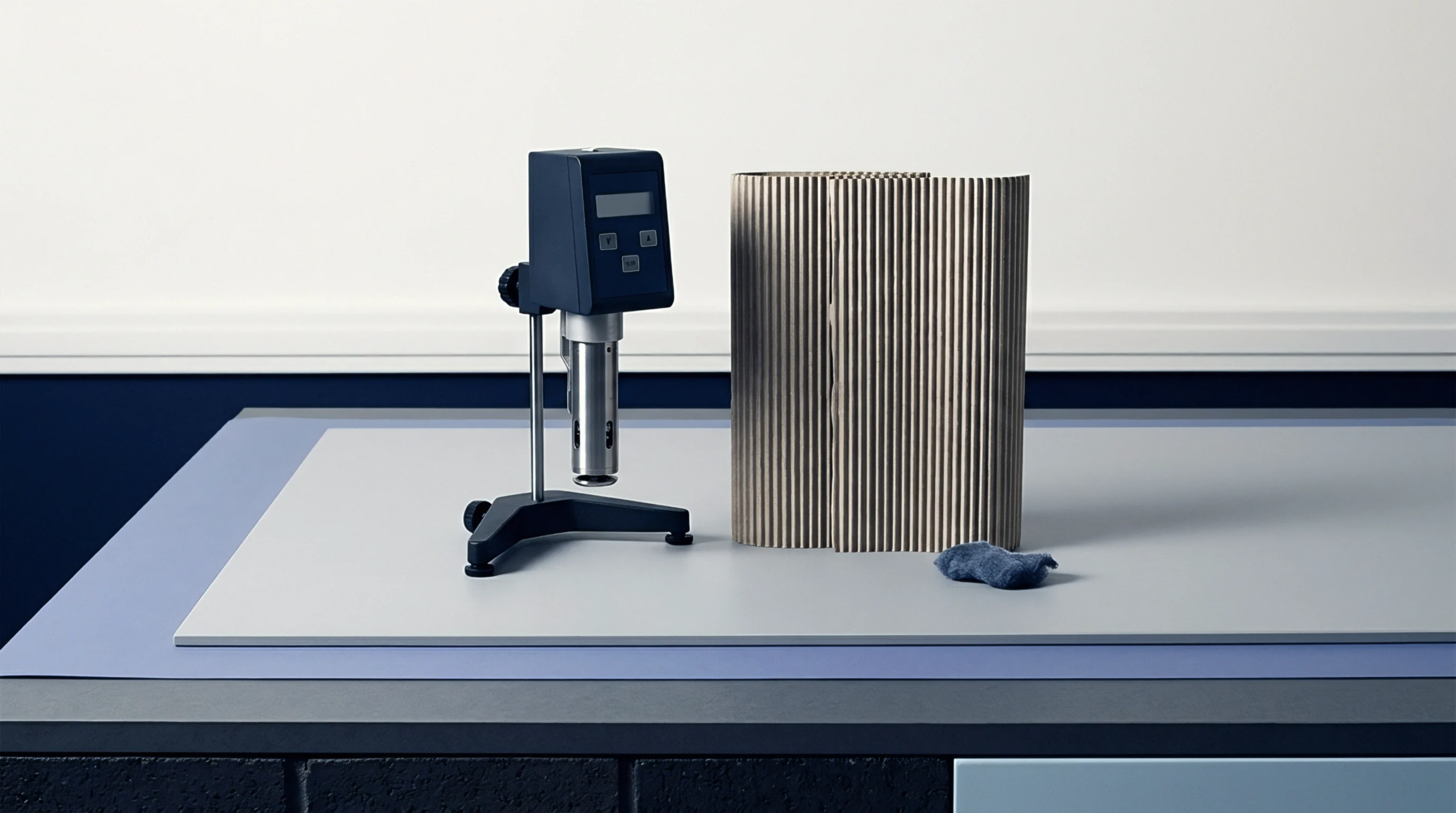
Hot Acid Hydrolysis Selective Hemicellulose Degradation and Viscosity Optimization Mechanics
Optimize hot acid hydrolysis by balancing P-factor severity against intrinsic viscosity loss to remove hemicellulose while protecting cellulose purity.
Chemical evaluation of bleached wood pulp measures the carbohydrate residue remaining insoluble in a seventeen point five percent aqueous sodium hydroxide solution at twenty degrees Celsius. This resistant polymeric core constitutes alpha-cellulose, which consists predominantly of high molecular weight, unbranched beta-1,4-glucan chains with a degree of polymerisation typically exceeding five hundred units. Standard testing isolates this component gravimetrically following prolonged alkaline washing and neutralisation with acetic acid, separating it from low molecular weight hemicelluloses and degraded amorphous glucans.
The boundary of this gravimetric classification excludes degraded beta-cellulose and soluble gamma-cellulose, meaning it measures pure chemical retention under standardized solvent conditions rather than absolute native chain length.
High proportions of pure glucan chains determine the tensile permanence and yellowing resistance of specialist paper substrates. Ordinary printing and writing stocks derived from kraft pulps maintain alpha-cellulose levels between eighty-five and ninety percent, retaining sufficient short-chain hemicellulose to aid fibre swelling, hydration and inter-fibre hydrogen bonding during mechanical refining. Pure cotton linters and chemical dissolving pulps target concentrations exceeding ninety-eight percent, providing elevated chemical purity for archival storage documents, electrical insulating papers and cellulose nitrate syntheses.
Removal of low molecular weight pentosans and amorphous polyoses depresses natural sheet-forming capacity, demanding higher refining energy or synthetic wet-end bonding agents to achieve baseline burst strength. High glucan purity prevents auto-oxidative cleavage reactions that cause embrittlement and brightness reversion during thermal drying. Accelerated heat-aging protocols establish that substrates containing high fractions of unbranched glucan polymers exhibit minimal strength decay over centuries of archival exposure.
Lower fractions accelerate photo-yellowing because accessible amorphous regions and associated carbonyl groups undergo rapid hydrolytic scission when exposed to humidity and ambient ultraviolet radiation.
Alkaline concentration and extraction temperature during the bleach plant sequence dictate the ultimate glucan purity recovered at the pulp mill wet lap machine. Prehydrolysis kraft and acid sulphite processes treat wood chips with high-temperature liquor extractions to break covalent bonds between lignin and carbohydrate complexes, followed by cold caustic extraction stages to dissolve stubborn xylan and glucomannan fractions. Overly aggressive extraction conditions risk random chain scission via alkaline peeling reactions, which shortens primary cellulosic backbones and generates excess yield loss without enhancing overall polymer stability.
Residual alkali must undergo rigorous countercurrent displacement washing before sheet formation because carried-over sodium hydroxide induces localized alkali cellulose swelling, skewing moisture profiles and impairing fiber dewatering on the Fourdrinier wire. Controlling the severity of the final alkaline stage governs the exact distribution between structural backbones and extractable polyoses.
Optimize hot acid hydrolysis by balancing P-factor severity against intrinsic viscosity loss to remove hemicellulose while protecting cellulose purity.
Expertise is a utility, not a secret. sentiention™ publishes its working knowledge as open reference: intelligence layer covering the materials it sources, the markets it enters, and the reference that serves both.