Permeability Resistance
Protective layers applied to cellulosic substrates restrict the passage of water and grease to preserve the contents of a package. A barrier paperboard coating creates a continuous film that plugs the pores of the paper surface to prevent penetration by external contaminants. These materials define the functional limits of paper-based packaging in food service and industrial applications.
Material Composition
Polymers and aqueous dispersions form the foundation of most modern barriers used in the converting industry. Synthetic resins provide high resistance to moisture while bio-based alternatives focus on oil and grease barriers for short-term use. Manufacturers select these substances based on their ability to maintain a pinhole-free surface across the peaks and valleys of the base board.
Compatibility between the coating and the underlying fibres determines the final adhesion strength of the structure. The inclusion of mineral fillers can modify the tortuosity of the path for gas molecules, which slows down the rate of oxygen ingress.
Application Method
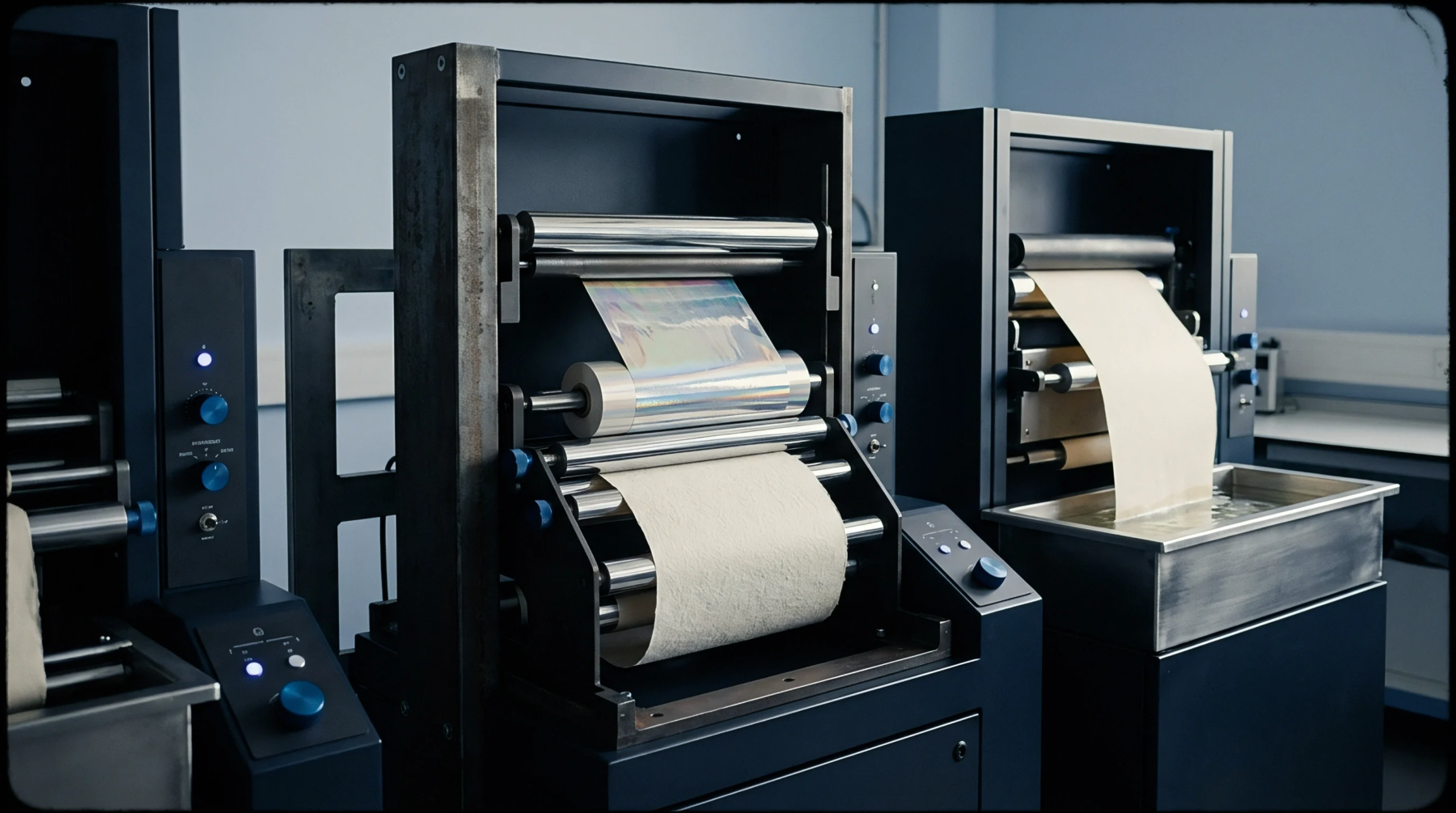
The transition from liquid state to a solid barrier occurs during the drying or curing phase of the coating process. Rollers or blades spread the fluid at high speeds before infrared heaters or air knives remove the carrier solvent. If the drying is too rapid, the film may crack or develop voids that compromise the protection.
A uniform layer ensures the package remains intact throughout the distribution cycle.