Flow Behaviour
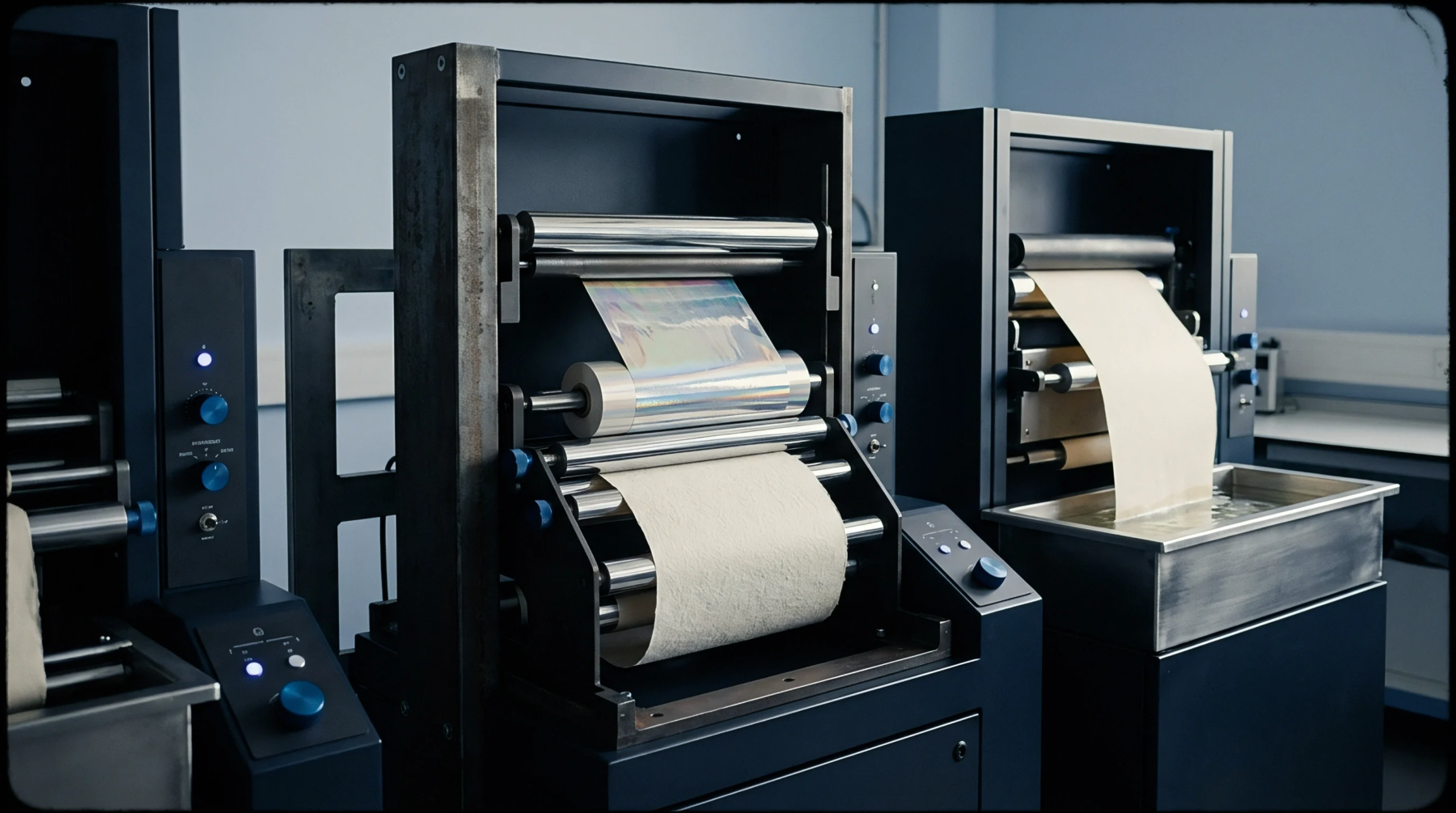
Fluid dynamics exhibited by pigmented dispersions during the application process determine the smoothness and coverage of a paper surface. The study of coating slip rheology examines how the viscosity of a mixture changes under the high shear forces found in a blade coater. These properties dictate whether the coating will level out or leave streaks on the moving web.
Shear Response
Interactions between pigments, binders and water-retention aids create a complex network that reacts to mechanical stress. When the coater blade applies pressure, the slip must thin sufficiently to spread evenly across the fibres. After the blade passes, the fluid should recover enough viscosity to prevent it from soaking too deeply into the base paper.
This balance is managed by adjusting the concentration of solids and the type of thickening agents used in the formulation. Excessive thickening can lead to blade bleeding or poor runnability at high machine speeds.
Runnability Factor
Control of the flow properties ensures that the coating line can operate at maximum capacity without frequent stops for cleaning. Variations in temperature or pH can alter the electrical charges on pigment particles, which changes the resistance to flow. Monitoring these variables in real time allows the mill to maintain a stable process.
A stable rheological profile is a requirement for high-quality printing grades.