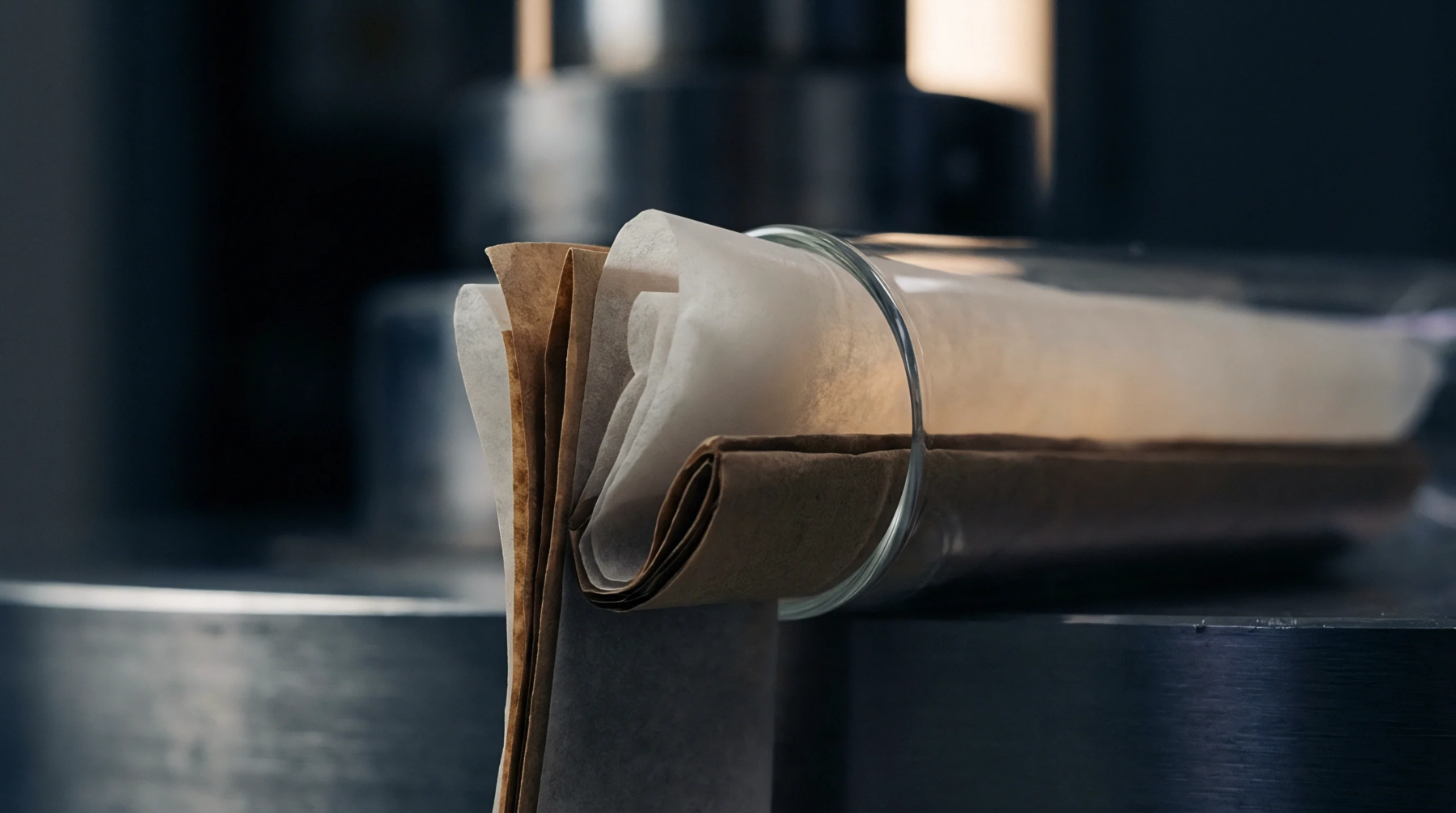
Flotation Protocol
Laboratory assessment protocols for recycled fibre recoverability define standardized mechanical repulping and chemical separation procedures to measure the detachment and extraction of dried ink films from paper slurries. Deinking INGEDE Method 11 provides an empirical framework developed by the International Association of the Deinking Industry to quantify how printed paper and board grades perform in industrial flotation plants. The procedure terminates after optical analysis of the separated pulp and process water, leaving mill-scale operational adjustments to commercial operators.
Fibre Separation
Mechanical disintegration of the printed test specimens begins in a standard laboratory pulper under alkaline conditions using sodium hydroxide, sodium silicate, oleic acid and hydrogen peroxide at forty-five degrees Celsius. Pulped stock undergoes gentle chemical reaction aging to foster ink detachment before introduction into a single-stage laboratory flotation cell. Fine air bubbles bubble through the agitated pulp suspension, capturing hydrophobic ink particles between ten and two hundred micrometres in diameter and carrying them to the surface foam layer.
Operators skim the resulting ink-laden froth continuously for twelve minutes while retaining hydrophilic cellulose fibres within the liquid volume. Laboratory handsheets formed before and after flotation yield exact optical comparison points, measuring residual dirt specks through automated flatbed scanners and image processing programs. Brightness gain calculations alongside colorimetric values determine whether ink pigments have discoloured the pulp or separated cleanly.
Filtrate Evaluation
Photometric measurement of the flotation filtrate establishes the discolouration value, confirming whether deinking INGEDE Method 11 verifies the suitability of a substrate formulation for commercial paper circularity.