Inspection Coordination
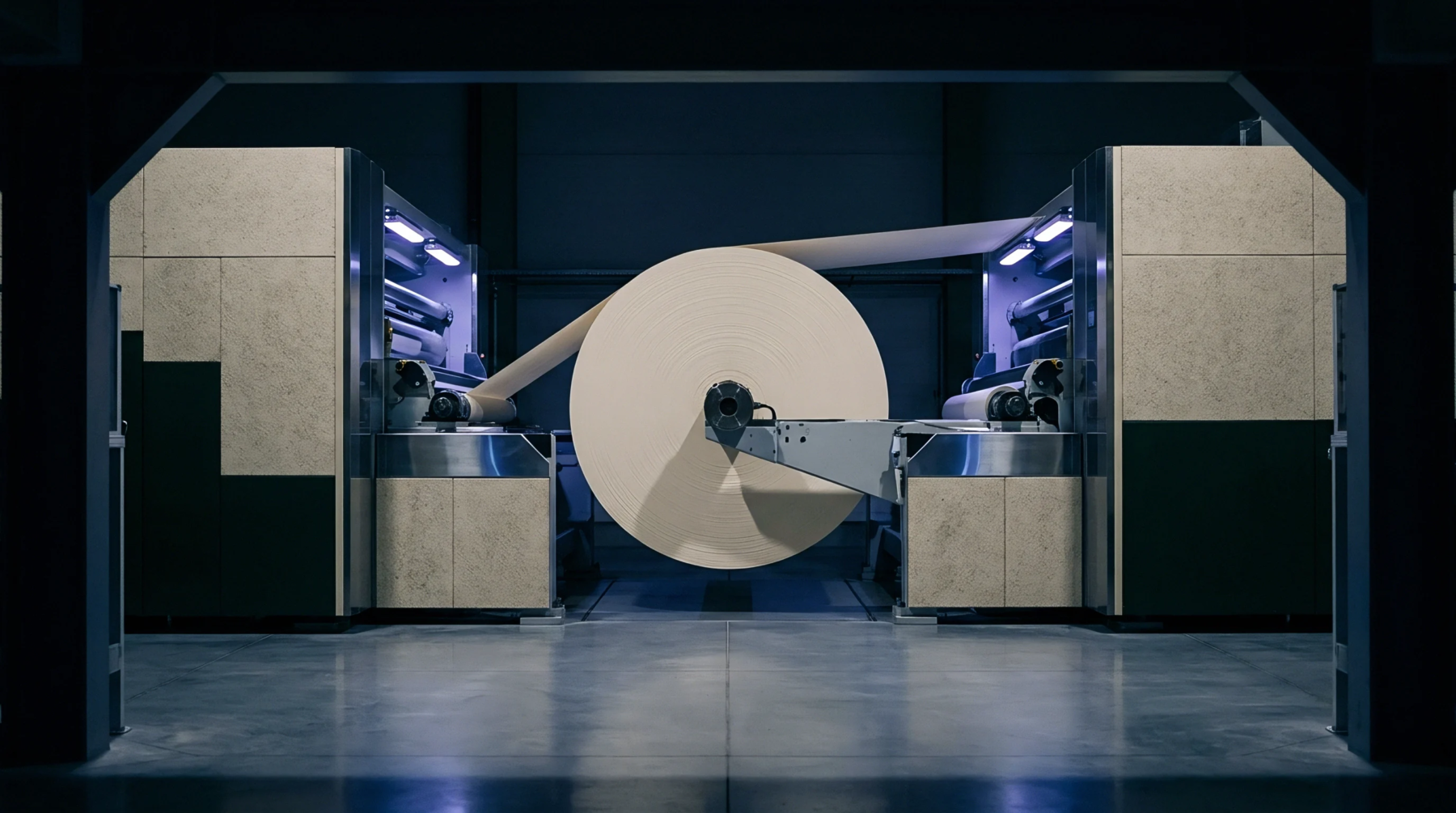
Simultaneous capture of surface data on both the wire side and the felt side of a moving paperboard web requires precise alignment of opposing scanner modules. This process of dual-head synchronization ensures that the high-resolution cameras on either side of the converting line capture images of the exact same spatial coordinate at the identical millisecond. Without this temporal and spatial alignment, two-sided defect mapping and registration checks become impossible because the system cannot correlate top and bottom features.
High-speed packaging lines rely on this coordination to detect pinholes or internal delamination before the stock is wound into rolls.
Positional Alignment
Hardwired hardware triggers and optical clocks link the two scanning assemblies to a single high-resolution shaft encoder on the main drive roll. This configuration forces both cameras to execute exposure cycles simultaneously, regardless of slight variations in line speed.
Error Avoidance
Incorrect alignment between the upper and lower sensors creates false positives in the quality database by misidentifying normal double-sided print features as structural voids. When dual-head synchronization fails, the inspection software registers a false offset, which triggers automated rejection gates that waste perfectly good board. Maintaining this synchronization within a sub-millisecond window prevents these expensive errors and keeps the line running at maximum capacity during long print runs.