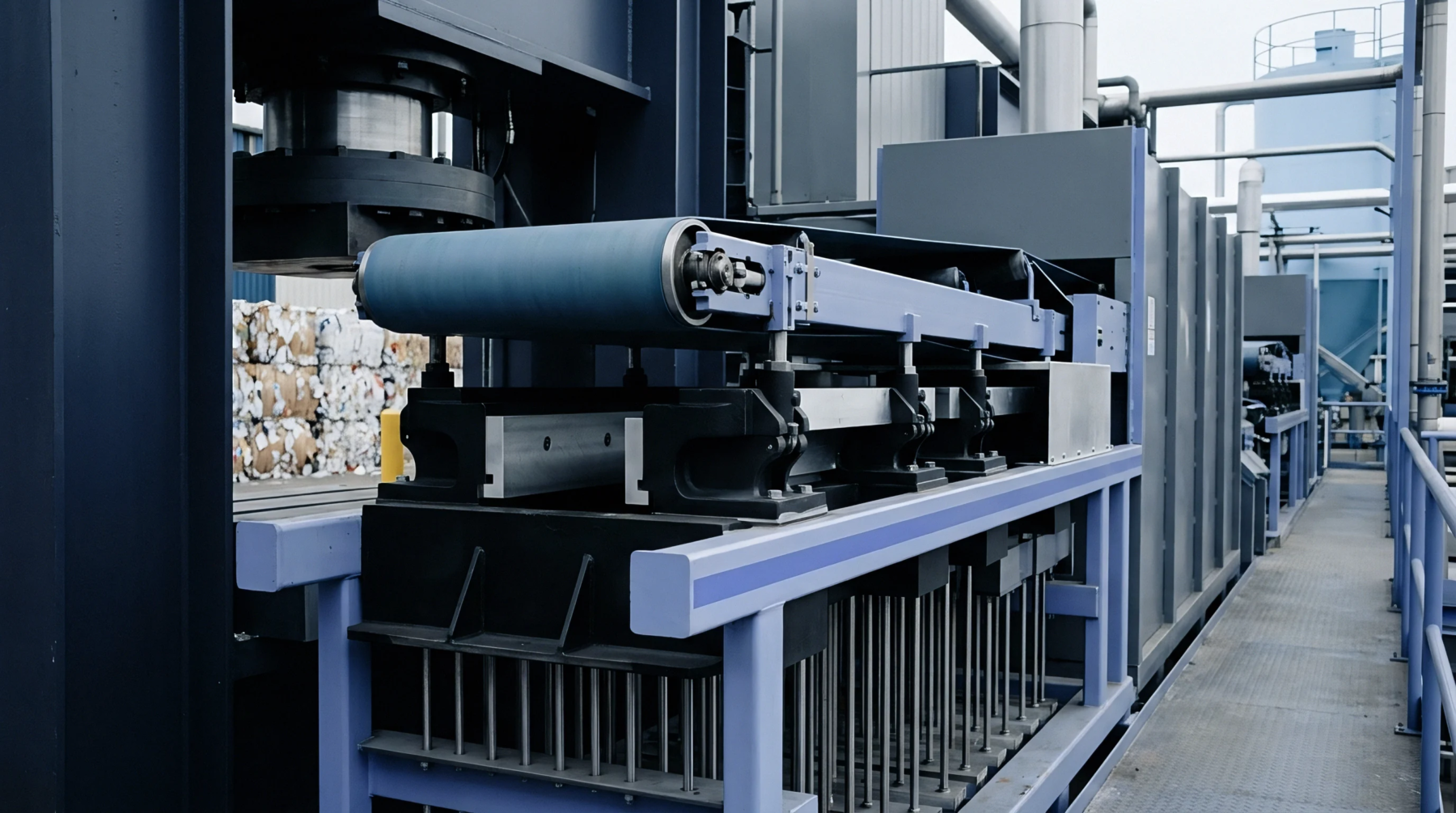
Thermal Variance
Heat dissipation through machine friction and ambient air convection constitutes the primary measure of energy loss in industrial converting equipment. These energetic losses represent the portion of input power that fails to execute mechanical work on the substrate during high-speed printing or laminating cycles. Friction at roller bearings and motor housing resistance generate heat that exhausts into the facility air rather than moving the web.
This heat dissipation quantifies the difference between total utility consumption and the effective work performed on the processed material.
Conversion Efficiency
Proper monitoring of energy expenditure reveals how mechanical wear affects tension control across printing presses and laminating stations. Energetic losses increase as drive chains stretch or lubricating grease loses viscosity under prolonged production loads. Operators detect this trend when motor amperage rises to maintain consistent web speed without a corresponding increase in output yield.
Deviations from the baseline power draw indicate mechanical drag that imposes higher costs per thousand impressions.
Production Boundary
Thermodynamic thresholds define the limit where active cooling systems shift from operational maintenance to unavoidable tax on total power usage. Extended production runs necessitate heat exchange cycles that prevent thermal expansion of metal rollers from altering print registration accuracy. Energetic losses fluctuate according to the ambient climate and the friction coefficient of the chosen ink system or adhesive application method.
Precise management of these variables keeps the facility heat profile within safe operational bounds.