Hardened Surface
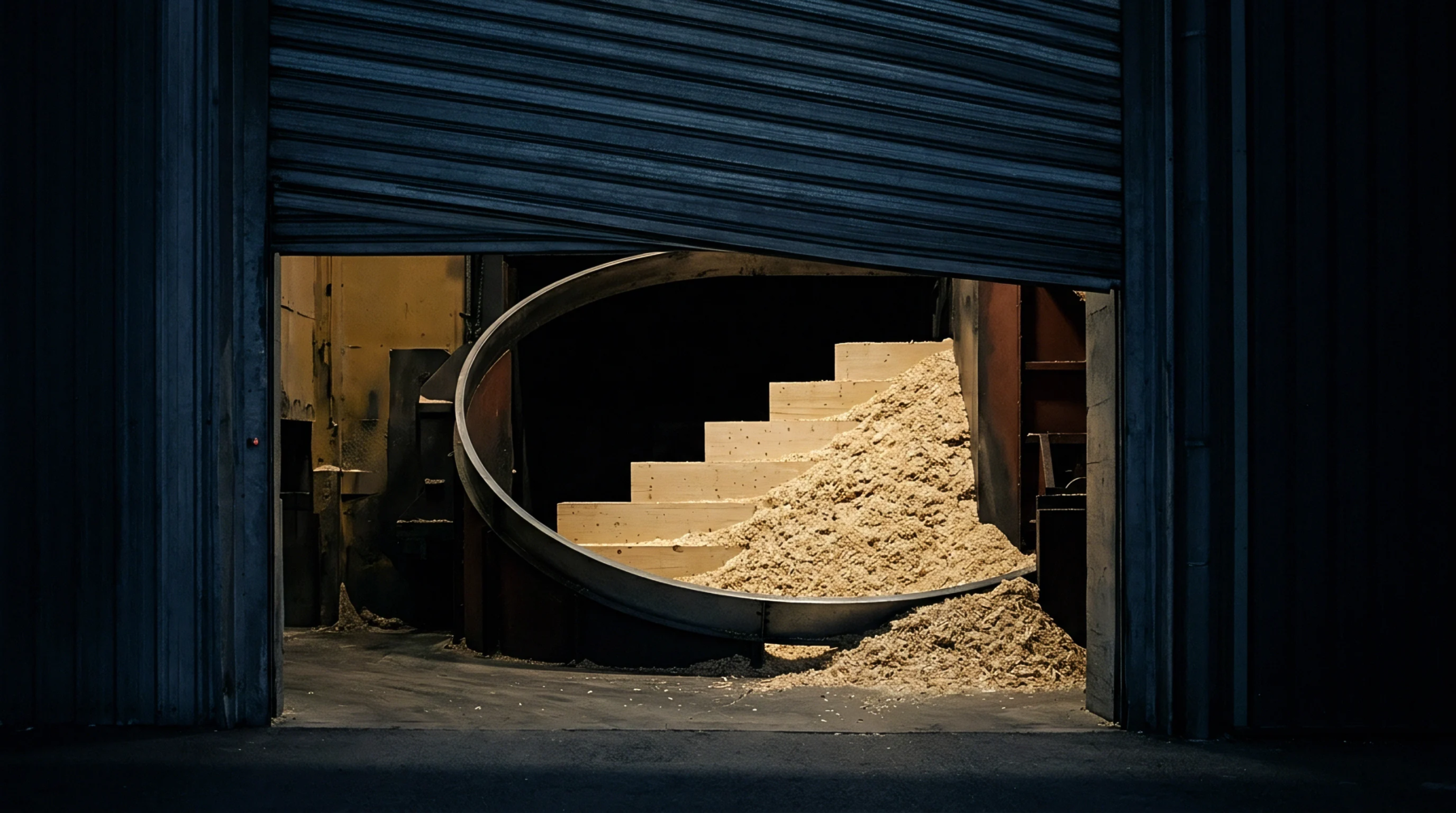
Friction reduction relies on epoxy counter plates installed within the die cutting or rotary converting assembly. These components protect steel cylinders from premature wear during the impact phase of sheet metal or heavy paperboard processing. The resin matrix creates a durable barrier that absorbs mechanical stress while maintaining dimensional stability across sustained production cycles.
Low surface energy prevents adhesive build up from transfer ribbons or tacky substrates. High temperature resistance ensures the geometry holds its tolerance when friction generates heat inside the machine housing.
Attachment Method
Operators fix the assembly to the cylinder base using industrial grade chemical bonding or precise mechanical fasteners. Secure placement prevents lateral movement during high speed operation to ensure alignment accuracy throughout a full shift. The mounting process requires clean substrates to maximize the shear strength of the join.
Improper seating introduces vibration that degrades the quality of the finish and risks premature separation from the rotating base. Frequent checking of the bolt torque or adhesive integrity maintains the expected service life.
Mechanical Specification
Material hardness ratings define the effective depth of the impression before the substrate reaches the metallic frame. Proper selection prevents crush damage on sensitive fibre surfaces while ensuring clean separation of the cut parts. A thinner plate offers better control for tight tolerances but demands higher precision during installation to avoid cracking under peak pressure loads.
Thickness variance causes inconsistencies in the depth of penetration across the width of the web. Calibration of the plate stack height dictates the consistency of the finished output quality.