
Pulp Kappa Calculation and Effective Alkali Consumption Balance in Digesters
Digester Kappa target compliance depends on balancing effective alkali consumption to prevent lignin reprecipitation while preserving structural cellulose strength.
Digester Kappa target compliance depends on balancing effective alkali consumption to prevent lignin reprecipitation while preserving structural cellulose strength.

Digester yield optimization through controlled alkali profiling preserves galactoglucomannan, reducing fiber unit cost and securing certification ledger balance.

Hexenuronic acid consumes permanganate and chlorine dioxide without adding brightness, requiring direct acid hydrolysis testing to establish correct bleaching baselines.
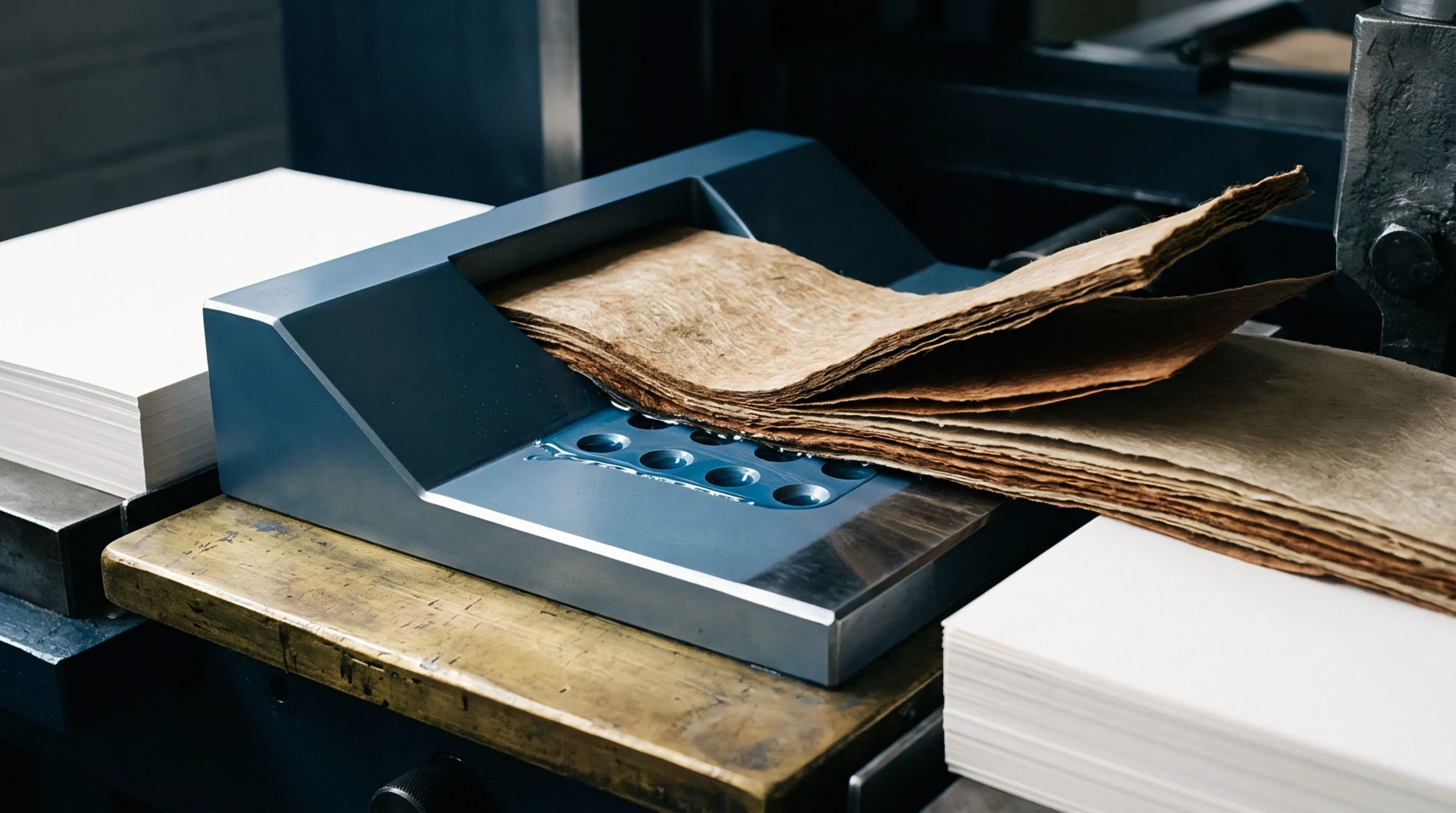
Verifying virgin softwood content in packaging paper relies on fiber morphology analysis, ISO chemical pulp identification, and trace chemical markers

Hexenuronic acid inflates softwood kraft pulp kappa numbers by 0.86 units per 10 micromoles, demanding targeted acid hydrolysis to protect bleach yield and landed fiber value.

Softwood kraft yield optimization relies on balanced alkali profile splits that prevent carbohydrate peeling while sustaining delignification.
Expertise is a utility, not a secret. sentiention™ publishes its working knowledge as open reference: intelligence layer covering the materials it sources, the markets it enters, and the reference that serves both.