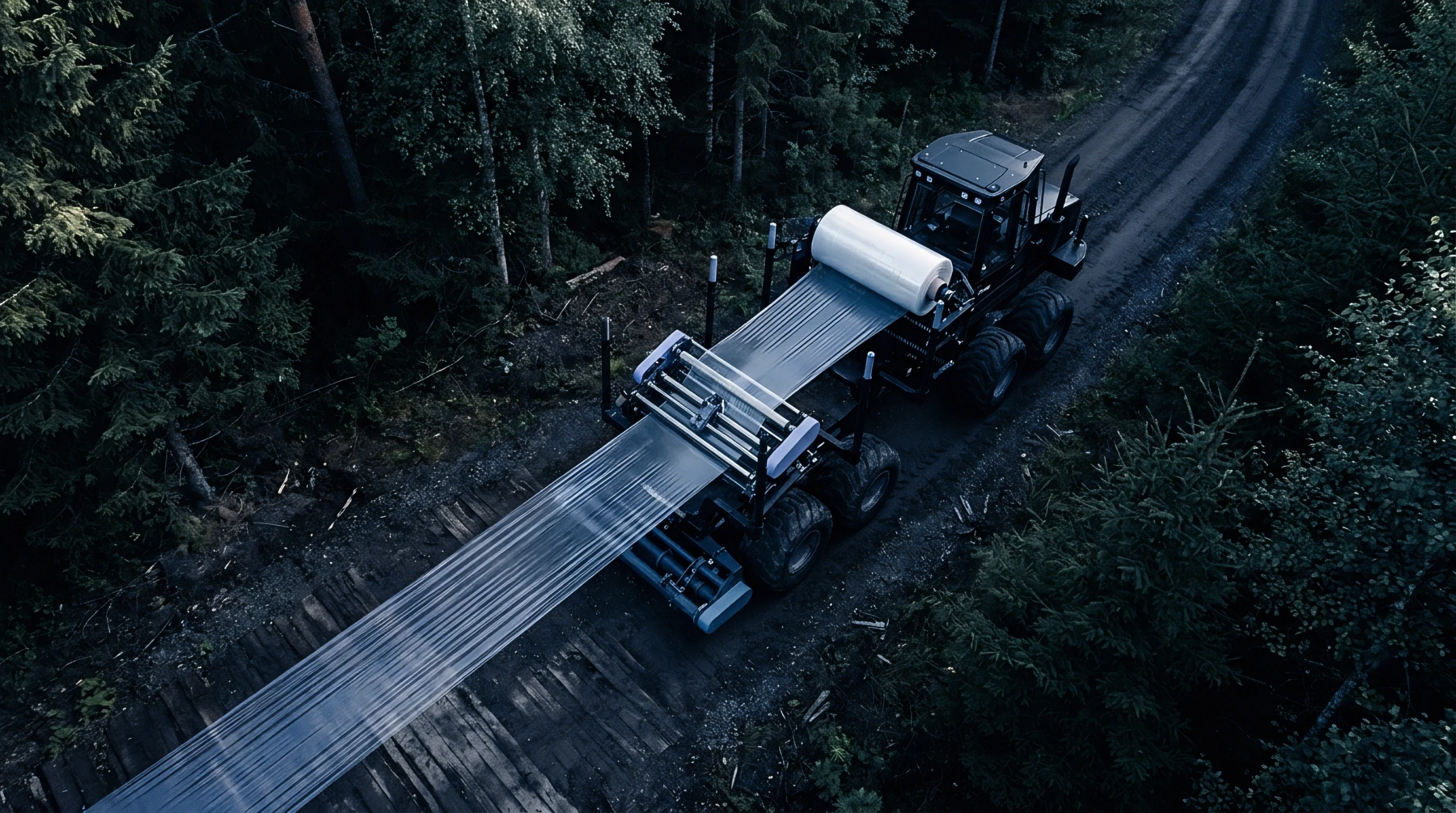
Drying Unit
An industrial drying unit uses pressurized air to support and dry a moving web of coated paper without any physical contact with rollers. The hot air floatation dryer employs air bars positioned above and below the web to create a stable cushion of heated gas. Physical damage is prevented because the arrangement allows for high-intensity evaporation while the wet coating never touches mechanical parts.
Heat Transfer
Convective energy from the high-velocity nozzles drives the removal of water or solvents from the applied layer. In a hot air floatation dryer, the balance of air pressure between the upper and lower banks controls the path of the web through the heated zones. High heat transfer coefficients are achieved by optimizing the nozzle geometry and the distance to the substrate.
Turbulence is managed to ensure that the drying rate remains uniform across the entire width of the material.
Process Boundary
Temperature limits are dictated by the thermal sensitivity of the substrate and the chemistry of the coating. If the hot air floatation dryer operates at an excessive temperature, the coating may skin over and trap moisture underneath, leading to blistering or poor adhesion. Energy efficiency depends on the recirculation of heated air and the effective insulation of the dryer housing.