Coarse Contaminants
Continuous and batch stock preparation systems generate heavy and light non-papermaking trash when separating post-consumer paper bundles, baled board, and liquid packaging board furnish. Collected under the term hydrapulper rejects, this debris stream includes baling wires, plastics, textiles, hot-melt adhesives, glass fragments, and wet-strength laminates that resist initial water disintegration. These coarse contaminants exit the pulper tub through extraction raggers, junk boxes, and continuous detrasher units before downstream stock pumps can suffer mechanical damage.
Removing this mass at the pulper boundary protects subsequent fine screens, refiners, and centrifugal cleaners from abrasive wear.
Extraction Mechanics
Operation within a pulping vessel subjects recovered paper stock to mechanical shear and water turbulence, suspending soluble fibres while keeping larger non-dispersible materials intact. High-density trash like bolts, gravel, staples, and thick plastic fragments moves toward the periphery of the tub bottom and falls into an adjacent junk trap. Simultaneously, flexible materials such as bailing wire, plastic strapping, string, and film wrap twine together around a suspended priming rope, forming a continuous ragger tail that a winch pulls outward.
Light debris remaining suspended in the pulping zone passes through extraction plates into secondary detrashers, where rotor screens wash residual fiber off plastic flakes before rejecting the solids. Raw hydrapulper rejects emerge heavily saturated with process water, carrying significant amounts of entrapped useful fiber if wash-cycle timing or screen plate apertures are improperly set. Ragger tails undergo automatic cutting into manageable segments for storage, whereas junk traps dump through timed double-gate valves to prevent continuous drainage of stock.
Reject handling represents a high-wear sector of stock prep, requiring hardened alloy steel plates and robust hydraulic actuators to process aggressive debris.
Disposal Handling
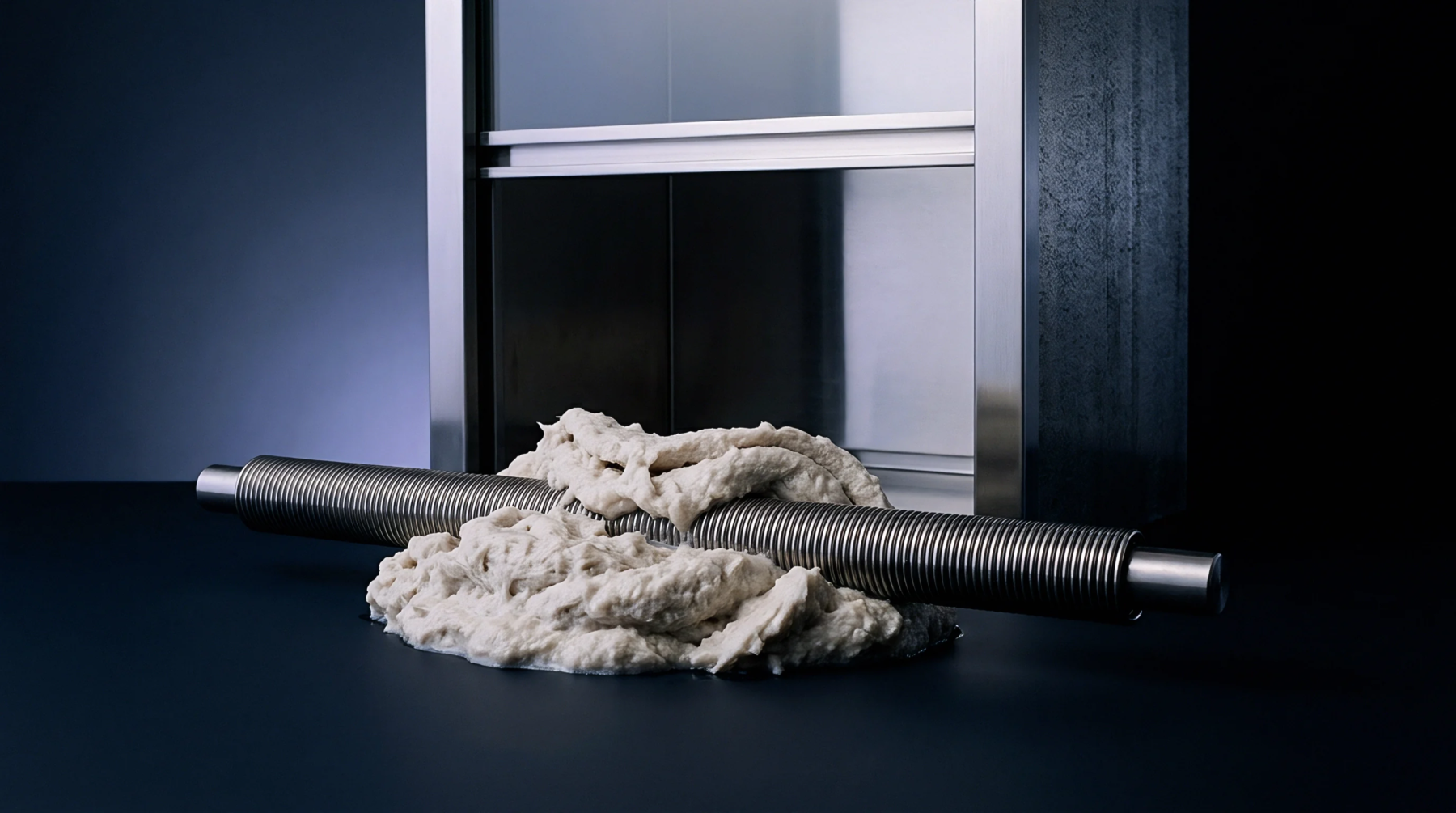
Secondary fiber plants measure reject mass relative to incoming raw furnish to calculate gross processing yields and baseline waste costs. High levels of contamination in low-grade mixed waste collections increase reject quantities, often comprising five to fifteen percent of raw bale weight. Slurry-saturated rejects move across vibrating screens or into mechanical screw presses that compress water from the mass to lower hauling weight and disposal tariffs.
Dewatered trash flows directly into roll-off compactors destined for non-hazardous landfill or waste-to-energy incineration facilities. Ferrous metals extracted from junk traps undergo magnetic separation for regional scrap metal recovery. Mills manage reject processing efficiently to prevent backlogs that can restrict hydrapulper discharge rates and limit overall mill output.