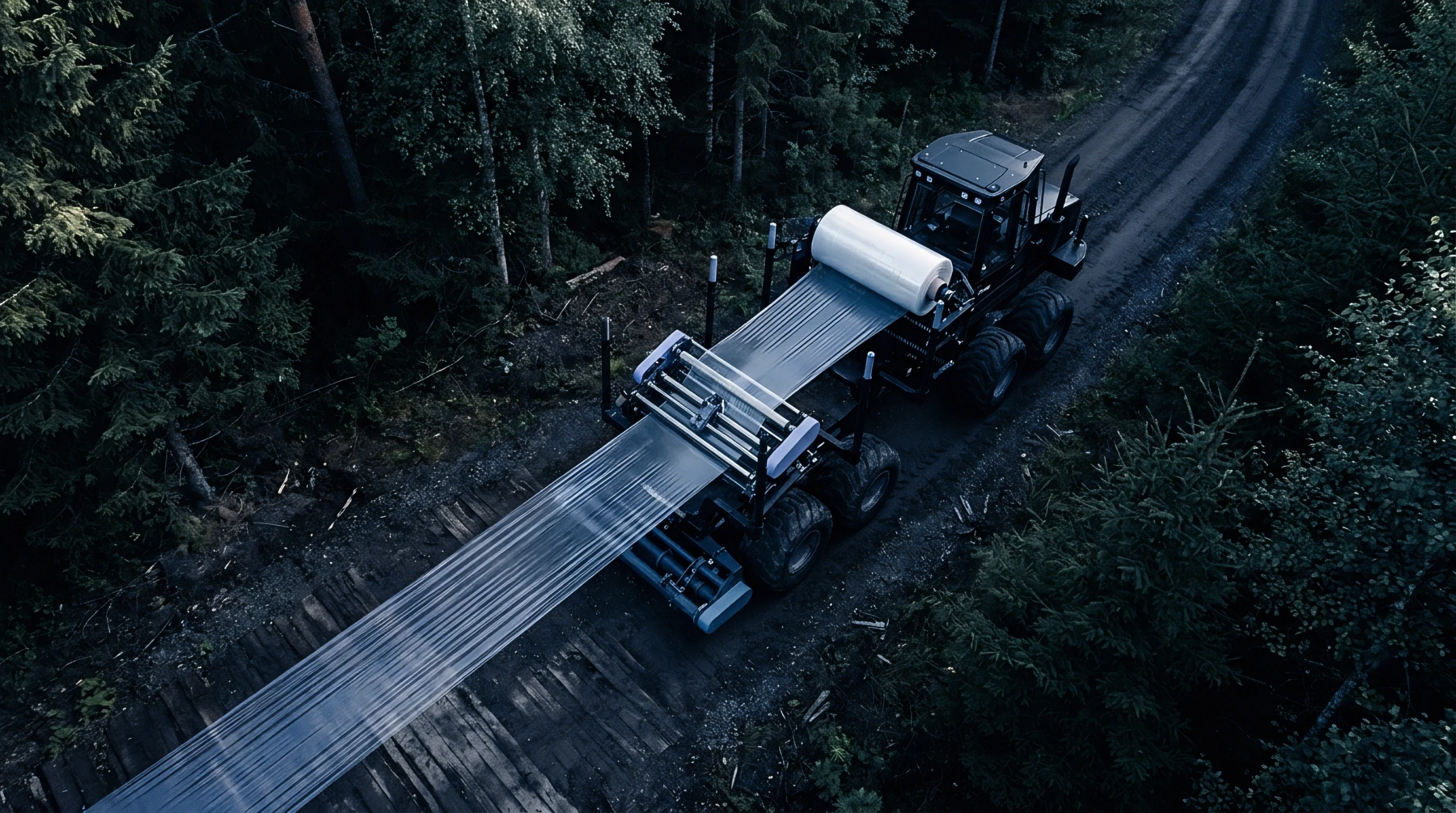
Thermal Cavity
Electromagnetic radiation transfers energy directly to water and solvent molecules contained within wet printing coatings and barrier layers during high speed paper conversion. An infrared drying zone applies shortwave or mediumwave emitters to evaporate volatile components before web tension pulls the treated substrate over subsequent guide rollers. Coated folding boxboard production relies on this precise thermal delivery to prevent blistering or picking on the print surface when web speeds exceed three hundred meters per minute.
Wavelength Spectrum
Shortwave lamps penetrate deeper into dense paperboard structures because higher colour temperatures shift photon emission toward shorter wavelengths. Mediumwave emitters deliver surface dominant heating that couples efficiently with aqueous vehicle binders without scorching delicate bleached chemical pulps. Water absorption bands near three micrometers absorb the incident radiant flux rapidly, converting photons into sensible heat within the liquid phase.
Coating Defect
Surface tension gradients form across the wet film when radiant intensity exceeds the mass transfer rate of diffusing moisture from lower plies. Evaporative cooling suppresses local substrate temperature until moisture depletion occurs, causing abrupt film viscosity spikes that generate orange peel textures if cooling airflows lag behind the emitter bank. Proper zoning isolates the constant rate drying phase from the falling rate regime to eliminate micro fissures in clay pigmented print layers.