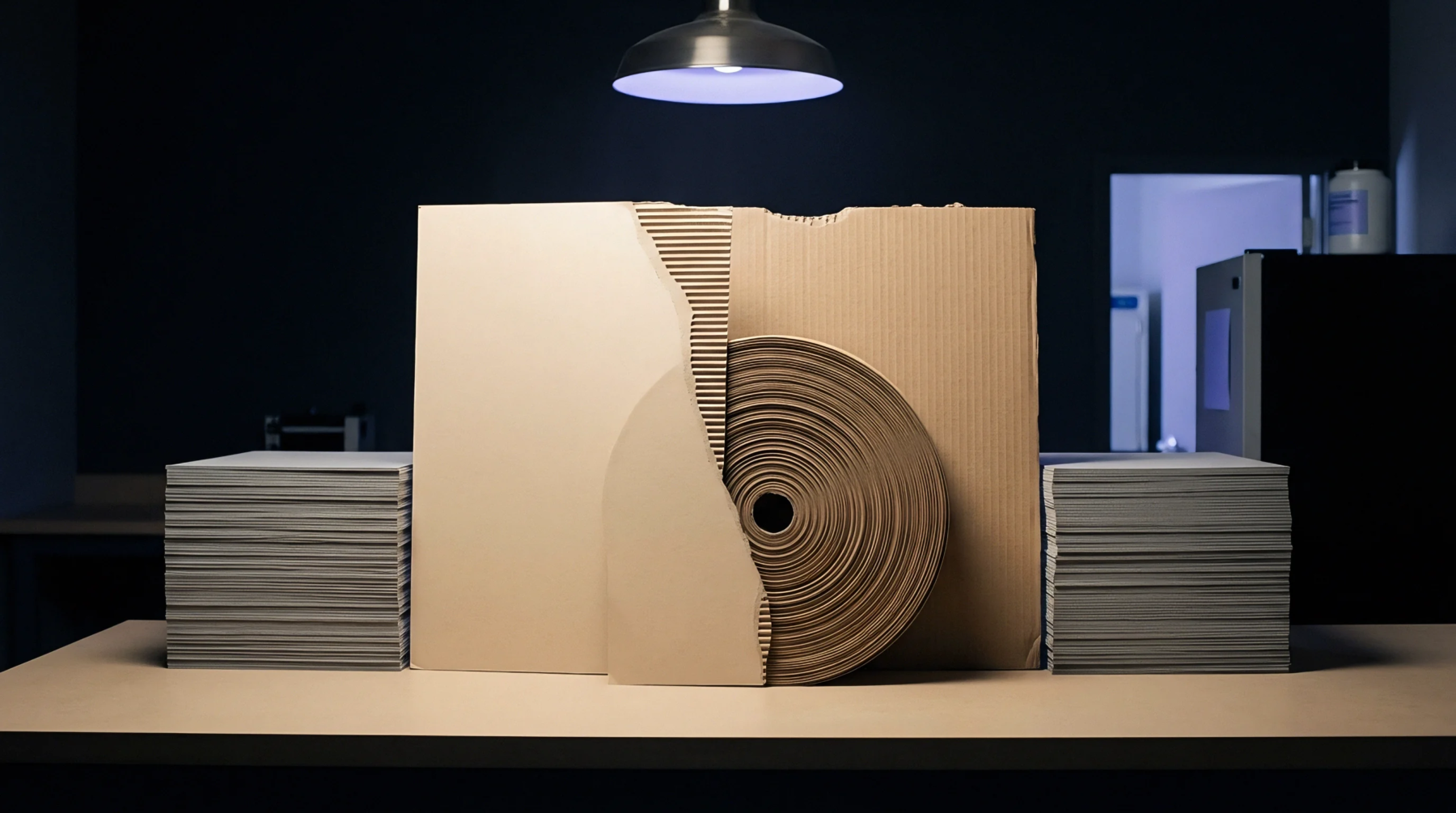
Climatic Calibration
Atmospheric control defines the protocol for conditioning transport packages before physical testing. International standard iso 2233 sets specific temperature and humidity levels to reach equilibrium within fibre based substrates. Humidity regulation prevents measurement errors caused by varying water content in cellulose materials.
Testing Protocol
Preconditioning cycles provide the necessary stabilization for corrugated boards and folding cartons to simulate long term environmental exposure. Mechanical strength properties such as bursting pressure and compressive resistance fluctuate based on the moisture saturation of the paper fibres. Laboratories maintain an atmosphere of twenty three degrees Celsius and fifty percent relative humidity to ensure consistency in performance metrics.
Calibration chambers force air circulation around the specimens to remove surface moisture gradients and equalize internal moisture content across the entire stack. Each specimen remains inside the chamber for a duration sufficient to allow weight stabilization within strict tolerances. Achieving these stable conditions requires precise sensors and active humidity control systems that adjust based on real time readings of the internal environment.
Failure to reach these targets results in skewed data that misrepresents the structural integrity of the final packaging unit.
Dimensional Stability
Variations in environmental moisture alter the dimensions and surface friction characteristics of printed materials across the converting chain. Fibre expansion during high humidity shifts registration points on multi colour presses and interferes with adhesive bond integrity during folding and gluing operations. Paperboard reacts to ambient conditions by warping or curling when moisture gradients exist between the felt side and the wire side.
Rigid control of the preconditioning environment prevents these defects from disrupting high speed automated filling lines where physical dimensions dictate throughput. Controlled moisture levels preserve the structural performance of secondary packaging under varying transit climates.