Composite Substrate
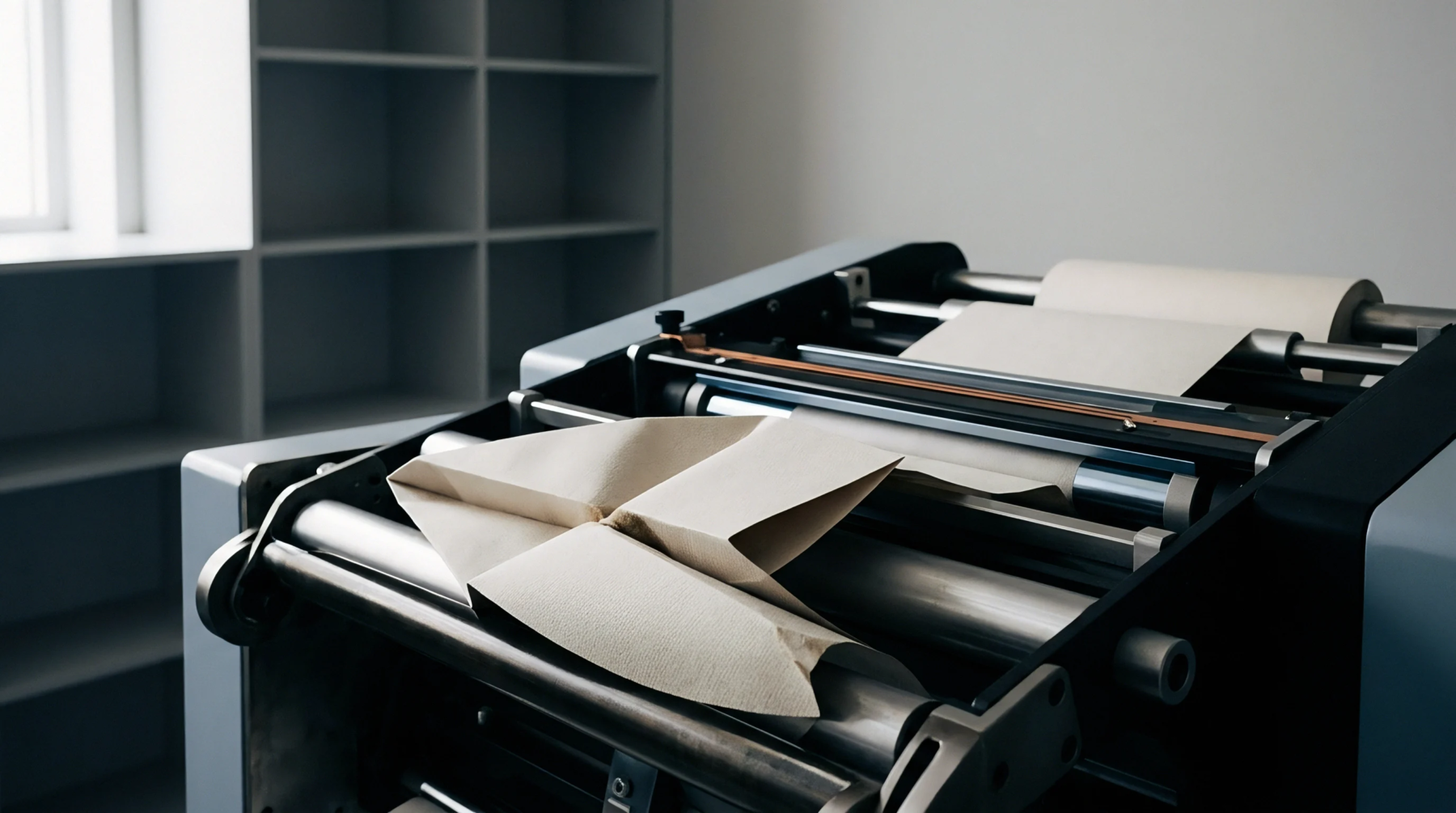
High-stiffness packaging materials are produced by combining distinct fiber slurries into a single sheet during the forming process. The resulting multi layer paperboard offers superior mechanical strength compared to single-ply alternatives of the same basis weight. This engineered structure typically comprises outer and inner plies tailored for specific functions.
It dominates the consumer packaging market due to its excellent printability and high bending resistance.
Structural Design
The production process utilizes multiple headboxes to distribute different pulp types onto the forming wire. Long chemical fibers are selected for the outer plies to provide tensile strength and a smooth printing surface. Meanwhile, shorter mechanical fibers are used in the middle ply to add bulk and stiffness at lower weight.
This arrangement behaves like an I-beam, where the outer layers resist tension and compression while the core absorbs shear forces. Mills adjust the thickness of each layer to meet the demands of high-speed filling lines.
Performance Benefit
The finished board combines high yield with excellent converting performance during die-cutting and folding operations. It resists cracking along the creases, ensuring the carton stays square. This stiffness allows brand owners to reduce packaging weight without losing stackability.
High-speed cartoning machines run more efficiently with these consistent materials.