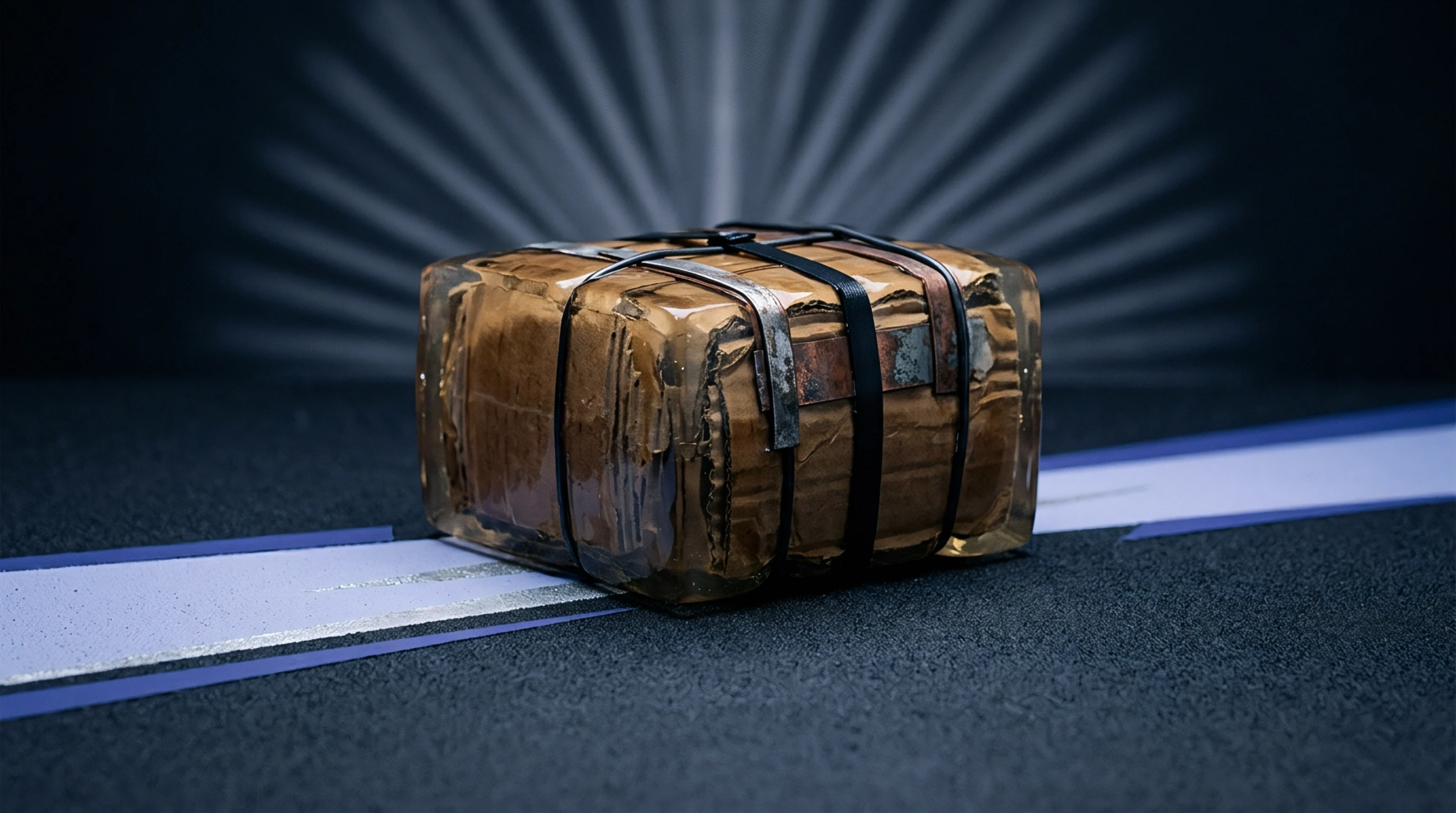
Waste Stream
Recovered materials consist of paper and board waste generated during the manufacturing and converting processes before the product reaches the consumer. Common sources of post-industrial scrap include side-run reels, skeleton waste from die-cutting, and misprinted sheets. This material is typically collected and returned to the mill for repulping.
Quality Advantage
Because the material has never been used by a consumer, it is often cleaner and more consistent than post-consumer waste. Utilizing post-industrial scrap allows manufacturers to incorporate recycled content without the risk of contamination from food or household chemicals. This preserves the strength and appearance of the new paper.
Sustainability Reporting
Companies track the amount of this waste to calculate their material efficiency and to meet the requirements of various environmental certifications. The use of post-industrial scrap is a central component of circular manufacturing strategies. However, some certification schemes distinguish between pre-consumer and post-consumer recycled content in their labeling.
Accurate record-keeping ensures that these claims are defensible during an audit. This waste stream represents a large volume of fiber that would otherwise be sent to a landfill. It also reduces the need for virgin pulp in certain grades.
The efficiency of the collection system determines the overall recovery rate.