Foil Separation
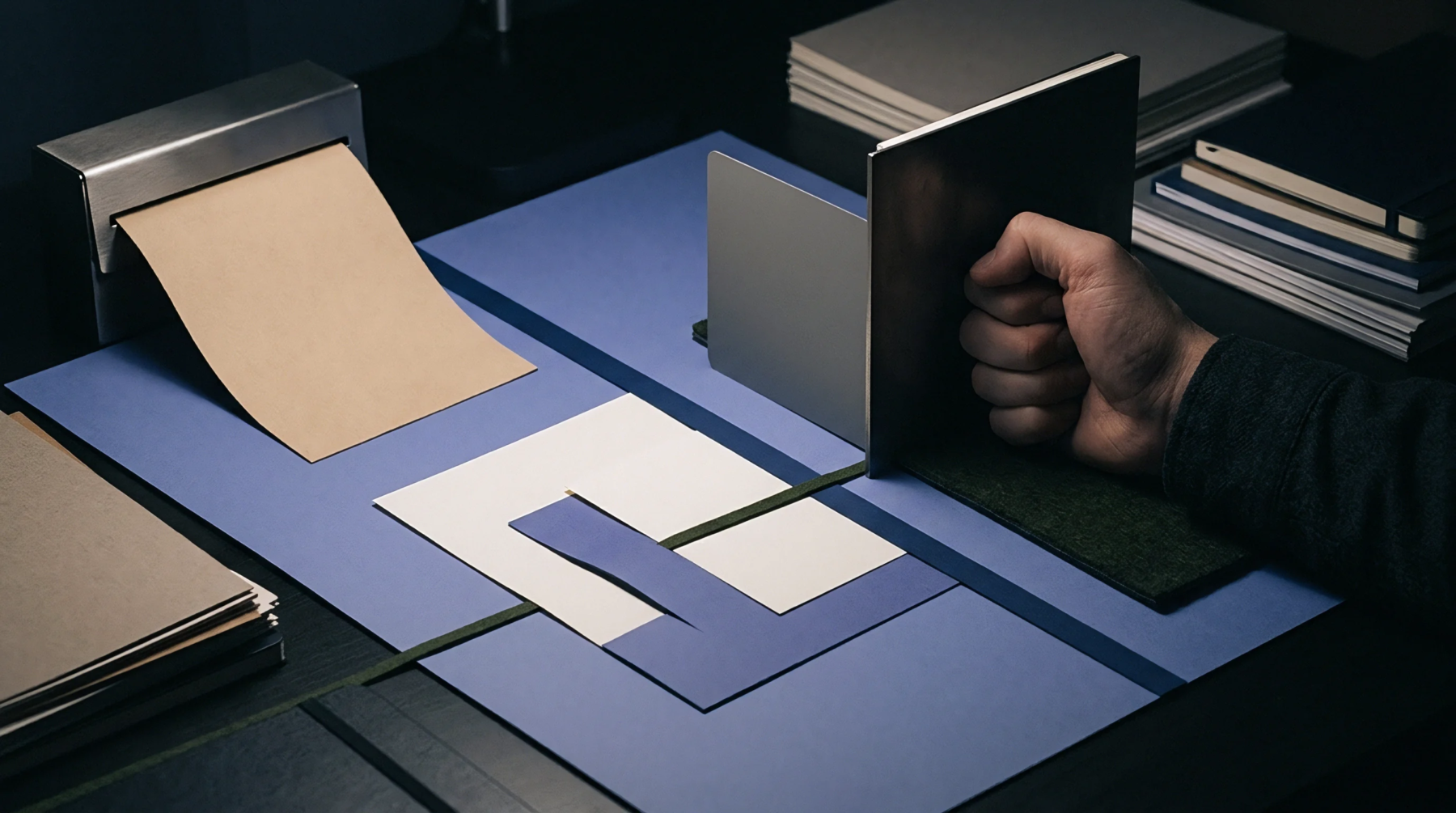
Metallized laminates destined for folding carton production require a mechanical removal phase known as primary metal pick off to ensure proper adhesive penetration during subsequent gluing operations. Converting lines achieve this separation by stripping the aluminum vapor deposition layer from specific border zones where glue flaps meet unvarnished paperboard. High speed cylinder presses execute the removal through a combination of thermal activation and abrasive wheel contact against the moving web.
Board manufacturers specify this localized clearing process to prevent foil contamination inside aqueous emulsion glue pots.
Adhesion Mechanics
Uncoated cellulose fibers exposed beneath the stripped boundary layer accept polyvinyl acetate dispersions far more reliably than metallized surfaces. Production managers monitor glue line failure rates closely when substrate tension fluctuates across the stripping unit. Faulty separation leaves microscopic aluminum flakes behind on the glue flaps, which reduces bond strength significantly during high speed carton erection.
Equipment operators adjust stripping roller pressure continuously to match the caliper variations inherent in heavy folding boxboard grades.
Surface Verification
Quality control protocols rely on optical scanning methods to verify complete metal removal within designated flap dimensions before the web reaches the printing station. Technicians evaluate stripped zones under specialized lighting to detect residual conductive particles that might interfere with dielectric gluing sensors. Complete elimination of the metallic barrier layer guarantees uninterrupted substrate sealing across automated pharmaceutical packaging lines.