Contact Configuration
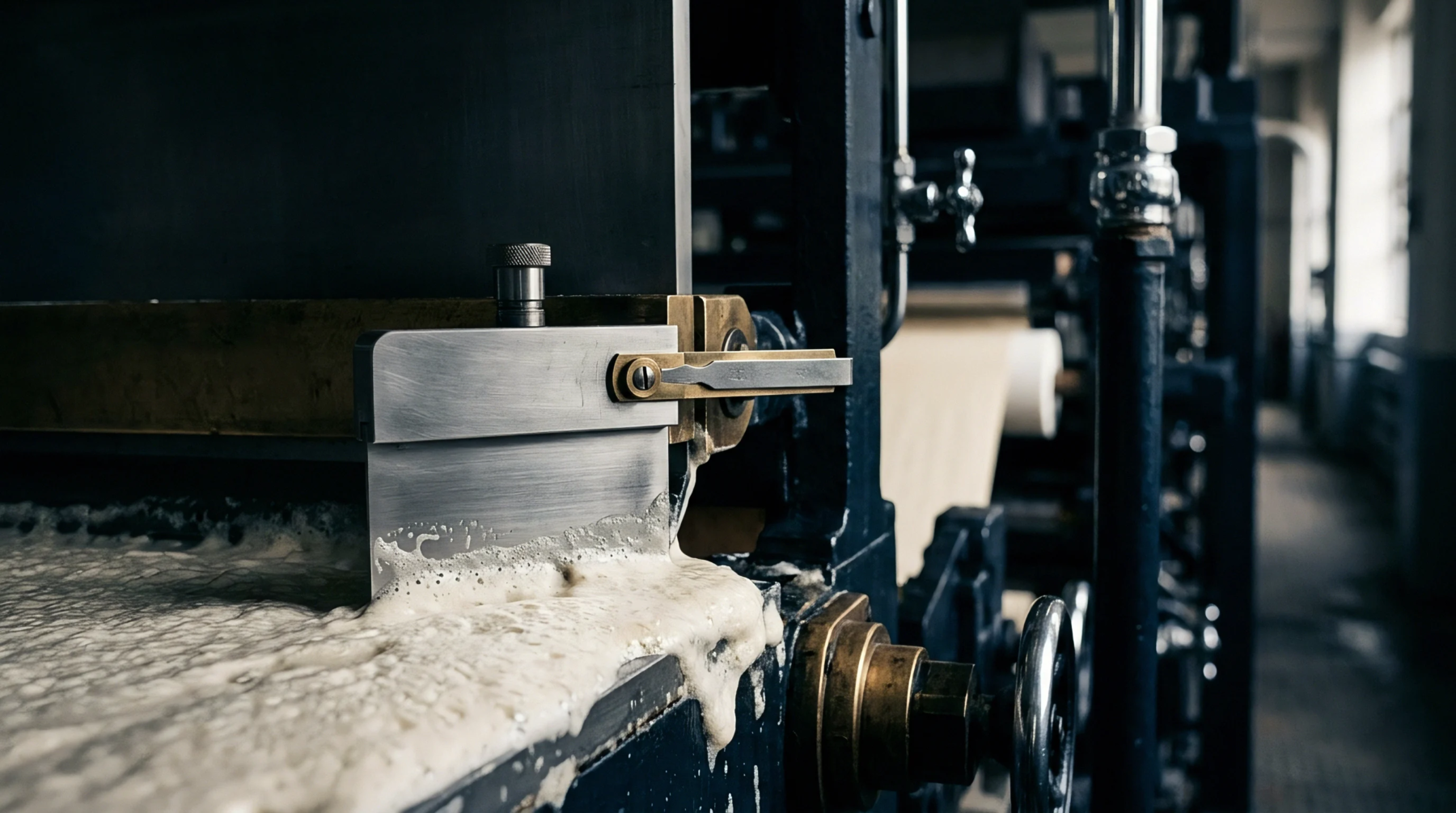
Physical dimensions and shape of the pressurized zone between two rotating cylinders define the area where ink or coating is transferred to the substrate. Factors such as roll diameter and the thickness of the elastic cover determine the width of the footprint. Precise printing nip geometry ensures that the pressure is distributed evenly across the entire width of the web to prevent localized heavy spots or dry areas.
Pressure Profile
Compression of the rollers creates a peak force at the center of the contact zone that tapers off toward the entry and exit points. Altering the printing nip geometry by changing the hardness of the rubber sleeve allows for the adjustment of the dwell time, which is the duration the paper spends under pressure. A wider nip provides more time for the ink to penetrate the surface fibers but can also increase the risk of dot gain in high resolution images.
Narrower contact zones are preferred for sharp detail and high speed work where heat buildup must be minimized.
Mechanical Alignment
Parallelism between the two cylinders is required to maintain a consistent gap. When the printing nip geometry is skewed, the resulting variation in pressure leads to color shifts and tracking issues as the web moves through the press.