Process Inefficiency
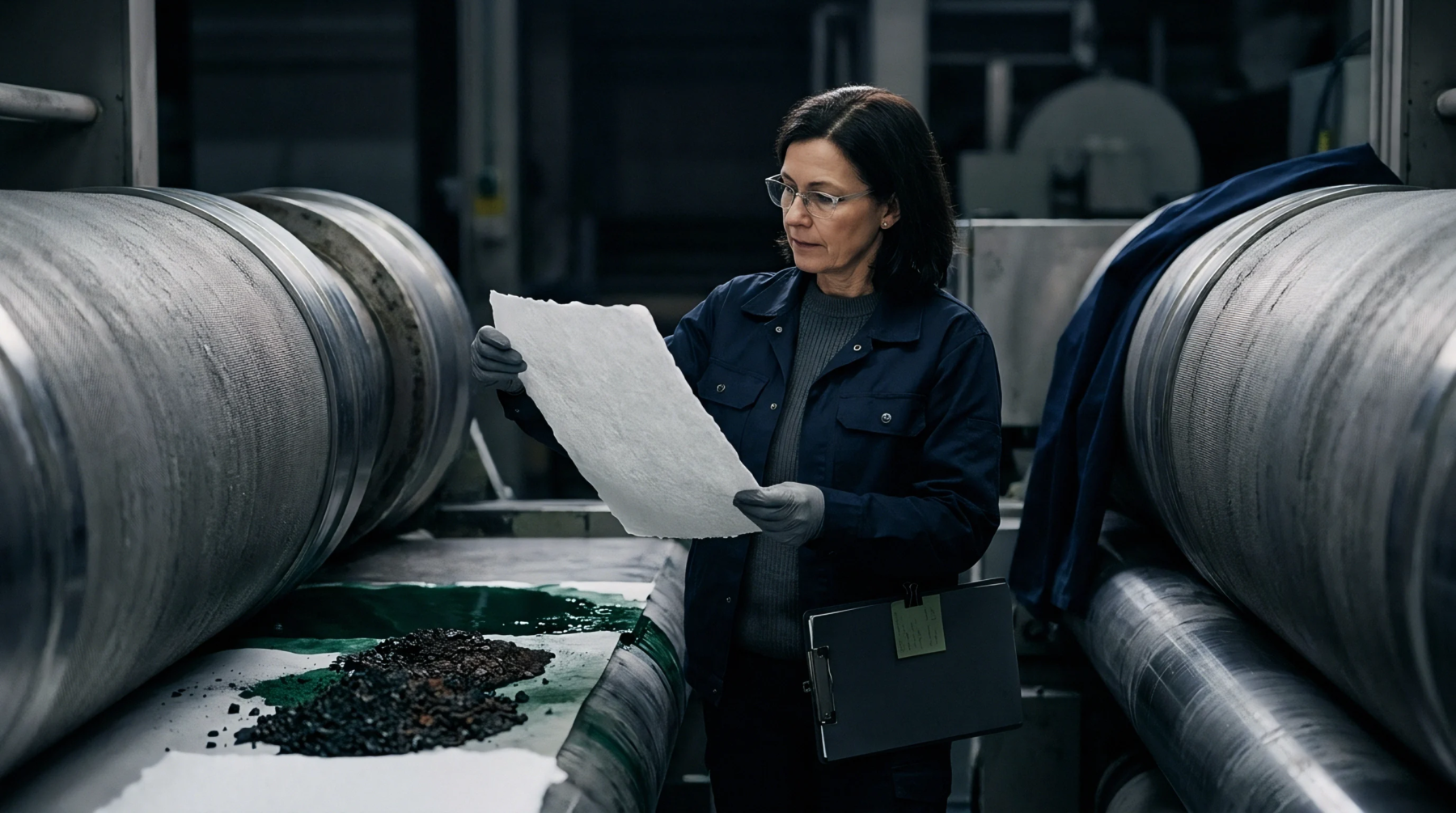
The reduction in the dry weight of usable cellulosic fiber compared to the dry weight of the initial wood feedstock represents an efficiency metric for mill operators. An elevated pulp yield loss occurring during the cooking or bleaching stages reduces the amount of pulp available for papermaking. This reduction directly increases the specific consumption of wood and chemical additives per ton of finished paper produced.
Chemical Dissolution
Degradation of hemicellulose and short-chain cellulose occurs when cooking times are too long or chemical concentrations are too high. This pulp yield loss is often the price paid to achieve the high brightness and purity required for fine printing papers. Operators must balance the pulping conditions to dissolve the lignin while preserving the maximum amount of strong fiber.
Financial Outcome
Environmental and economic consequences of fiber degradation are significant for the long-term viability of the mill. Because any dissolved wood substance that results in pulp yield loss is burned in the recovery boiler as black liquor, the mill gains bioenergy but loses the much higher value of the finished fiber. Optimizing the pulping process with modern cooking additives allows the mill to maximize fiber retention, reduce wood costs, and minimize the volume of chemical waste that must be treated in the effluent plant, which helps the facility comply with strict local environmental permits.