Fiber Recovery
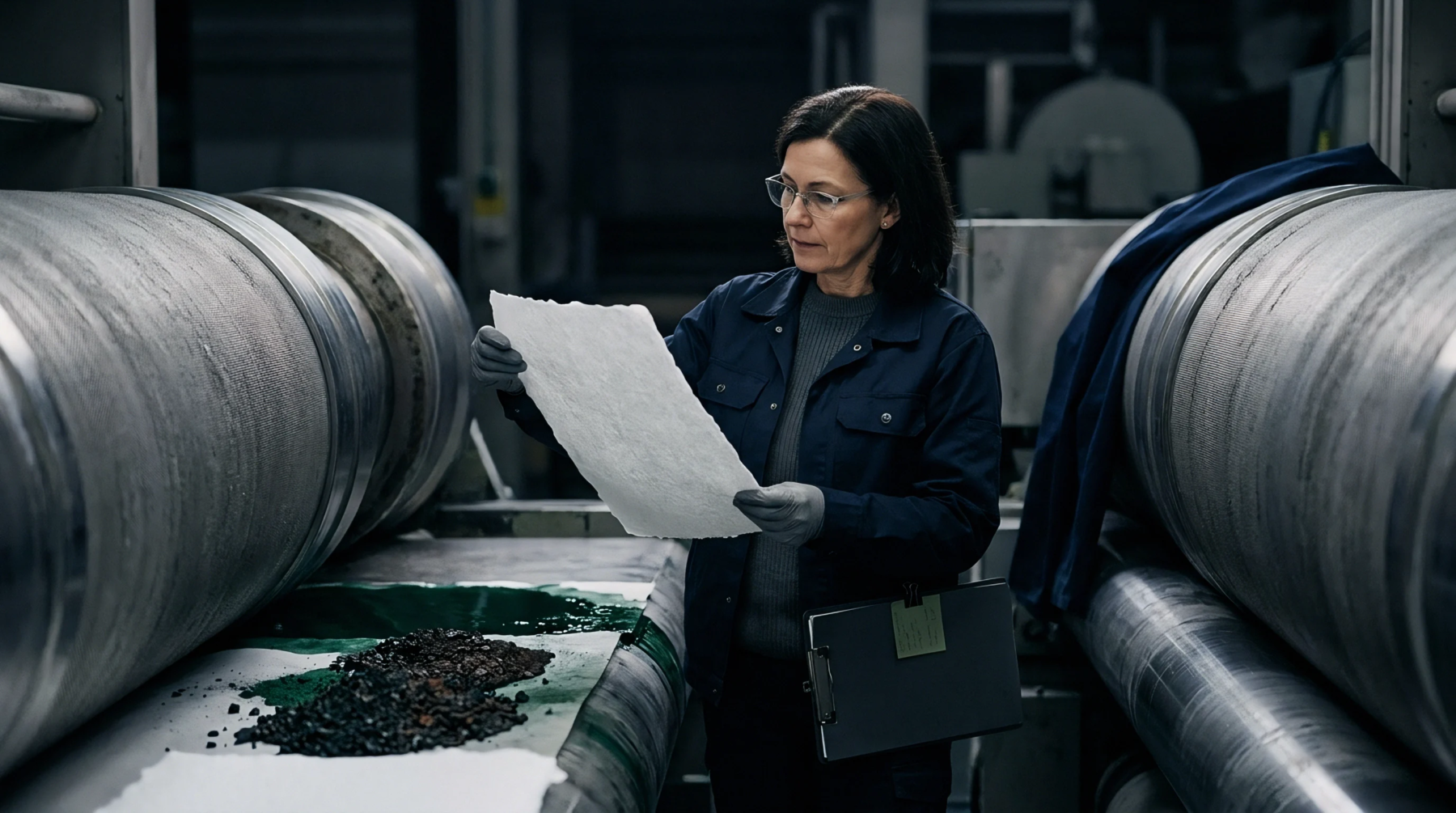
Rejection trim and off specification paper web return directly to the hydrapulper during continuous paper machine operation. Production units generate pulper broke continuously from edge trimming and web breaks at the wet end or dry end of the process. Recycling this material requires immediate disintegration within water to form a uniform slurry that mixes back into the primary stock preparation loop.
Maintaining consistency across the final packaging grade depends entirely on controlling the proportion of repulpered stock relative to virgin chemical or mechanical pulp. Excess internal scrap additions alter drainage rates on the wire section and lower the ultimate burst strength of corrugated medium or folding boxboard.
System Integration
Mechanical consistency relies on continuous monitoring of consistency probes positioned immediately downstream from the repulping vessel. Dilution water addition valves modulate automatically when dry matter ratios exceed predetermined thresholds established for specific paper weights. Heavy contamination from coating binders or wet strength resins demands secondary screening stages before stock returns to the machine chest.
Chemical defoamers enter the repulping zone whenever excessive surfactant concentrations from coated broke generate stable foam blankets inside the tank.
Quality Threshold
Maximum allowable addition percentages prevent hidden defects from accumulating in multilayer packaging boards during extended manufacturing campaigns. Operators verify that repulpered content never exceeds fifteen percent of total furnish weight for food contact folding boxboard grades. Higher inclusion ratios degrade surface smoothness and interfere with subsequent flexographic printing quality on finished carton surfaces.