Process Recovery
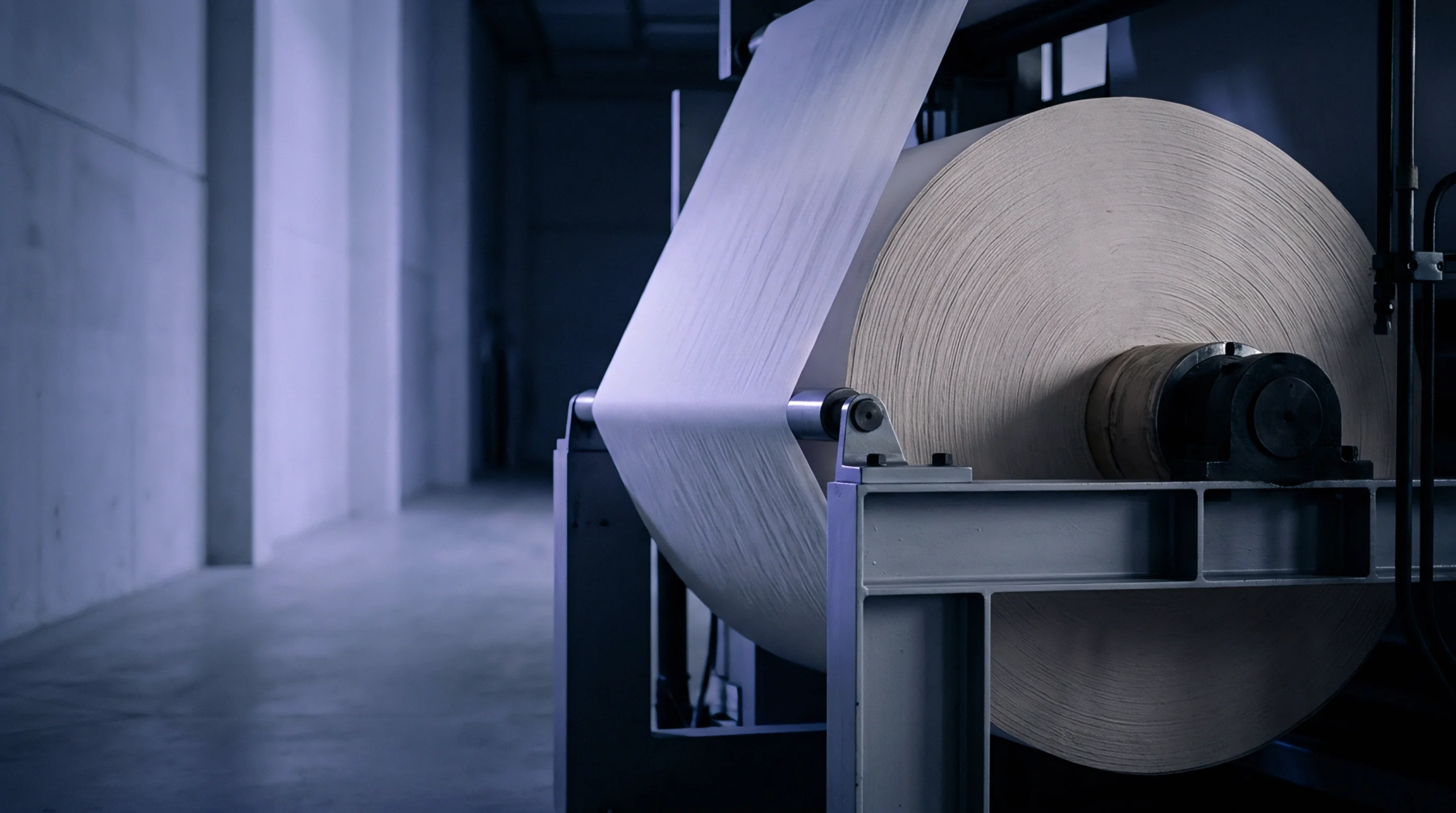
Slitter motor torque regulates web tension across a secondary rewinder during high speed converting operations. Mechanical clutches slip whenever deceleration profiles exceed paper elongation limits. Converted rolls demand precise tension control to eliminate internal telescoping defects before final shipment.
Slitting blades trim mill edges while multi-station winders manage differential speed between core shafts. Operators calibrate nip pressure profiles using hydraulic cylinders to prevent air entrapment within heavyweight linerboard stock.
Quality Tolerances
Edge displacement limits govern finished diameter acceptance criteria across industrial packaging lines. Core slippage occurs when winding torque exceeds static friction thresholds established by adhesive application rates. Finished reels require square end faces within strict millimeter boundaries to satisfy automated palletizing equipment.
Tension decay curves dictate optimal brake calibration intervals during extended production runs on specialty paper grades. Micro-processor controllers adjust armature current continuously to compensate for decreasing roll diameters throughout the winding cycle.
Thermal Mechanics
Friction clutches generate substantial heat energy during continuous web deceleration phases on high output converting lines. Cooling fans circulate ambient air around brake assemblies to prevent thermal degradation of organic friction linings. Excessive drum temperatures alter coefficient of friction values unexpectedly and destabilize web tension profiles.
Operators monitor infrared pyrometer readings constantly to detect bearing anomalies before mechanical seizure halts production schedules.