Physical Property
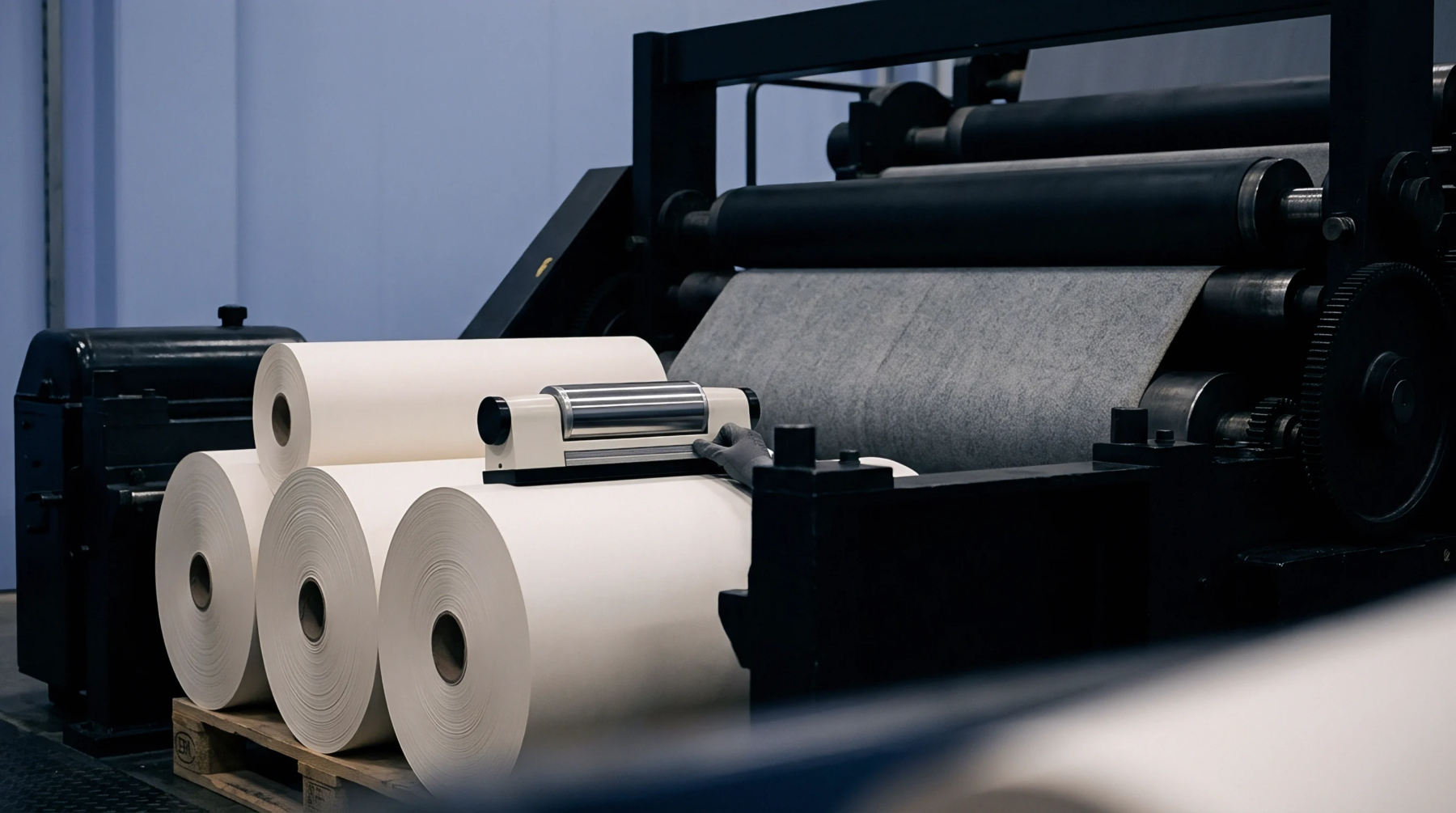
Bulk materials demonstrate a resistance to rapid changes in temperature based on their mass and specific heat capacity. High thermal inertia in heavy paperboard or dense polymer rolls means that the material takes a considerable amount of time to reach the ambient temperature of a processing environment. This characteristic affects how a substrate responds to the intense, short duration heat applied during thermal lamination or flash drying.
Heat Transfer
Controlling the temperature profile of a thick substrate requires an understanding of how the internal energy is stored and moved. Because of thermal inertia, the surface of a board may reach the bonding temperature while the core remains cold, potentially leading to poor adhesion or internal stress. Machines must be calibrated to allow for sufficient dwell time in the heating section to ensure the heat penetrates to the required depth.
Conversely, once the material is hot, it will continue to radiate energy, which may necessitate an extended cooling section to prevent the rolls from blocking.
Operational Impact
Managing the startup and shutdown phases of a production line becomes more complex when dealing with components that have high mass. The thermal inertia of large steel nip rollers can cause quality variations until the equipment reaches a stable operating temperature. Operators often use preheating systems to bring the rollers and the substrate up to temperature before the actual production run begins.
This stability is required for maintaining consistent bond strength and preventing dimensional changes in the finished product.