Thermal Conduction
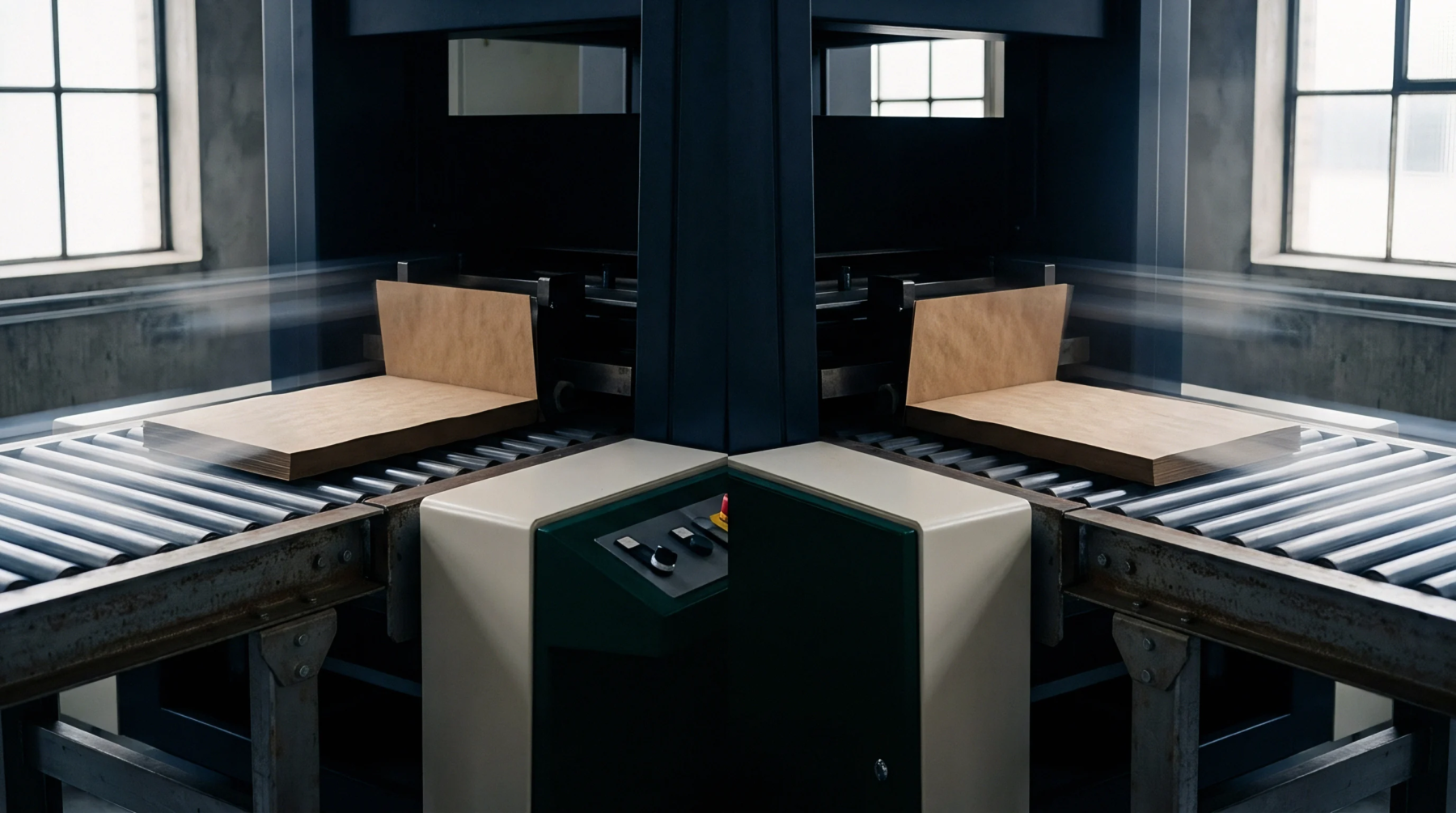
Large, internally heated roll in a calender stack provides the thermal energy necessary to smooth and densify the paper surface. The thermoroll operates at high temperatures to soften the fibres in the web as it passes through the nip. This component is essential for producing high-gloss coatings and high-density greaseproof papers.
Structural Engineering
Circulating oil or pressurized water inside the shell maintains a constant surface temperature across the entire width. The shell is often made of chilled cast iron or forged steel to withstand the high nip pressures and thermal stresses. Heat flows from the roll to the paper, triggering the phase transition of hemicellulose and lignin.
Accurate temperature control prevents overheating, which could cause the sheet to become brittle or lose its strength. The roll diameter and wall thickness are designed to minimize deflection under heavy loads. Modern systems use induction heating to provide rapid and precise adjustments to the thermal profile.
Finish Control
Interaction between the hot metal and the moisture in the sheet creates a polished effect known as glassine or supercalendering. By adjusting the temperature, the mill can control the level of gloss and the final thickness of the board. A stable thermal profile ensures that the printability of the paper is uniform from edge to edge.