Geometric Ratio
Microstructural mass transport models describe the ratio of the actual convoluted diffusion path length of a fluid molecule to the straight-line physical thickness of a porous barrier medium. Packaging technologists measure tortuosity to quantify how internal pore connectivity, filler platelet alignment and polymer chain packing impede the flow of oxygen, water vapour and organic mineral oils through paper coatings and barrier sheets. Pulsed field gradient nuclear magnetic resonance, mercury intrusion porosimetry and three-dimensional X-ray computed tomography provide numerical values for this structural parameter.
The concept loses validity in completely non-porous homogenous glasses or bulk metals where mass transfer shifts from convective pore flow to atomic-scale interstitial lattice dissolution.
Diffusion Resistance
Mineral pigment morphology governs transport resistance inside functional paper coatings applied to barrier boxboard. Platelet pigments like high-aspect-ratio kaolin clay, talc and exfoliated graphene force diffusing gas molecules to follow long, winding routes around impervious mineral flakes before reaching the underlying paperboard fibers. Spherical pigments like precipitated calcium carbonate leave open, straight interstitial pore channels that lower path resistance, accelerating moisture vapour transmission.
Barrier coatings formulated with high shape-factor clays maximize the effective path length, delivering superior oil and grease resistance at lower dry coat weights.
Converting Impact
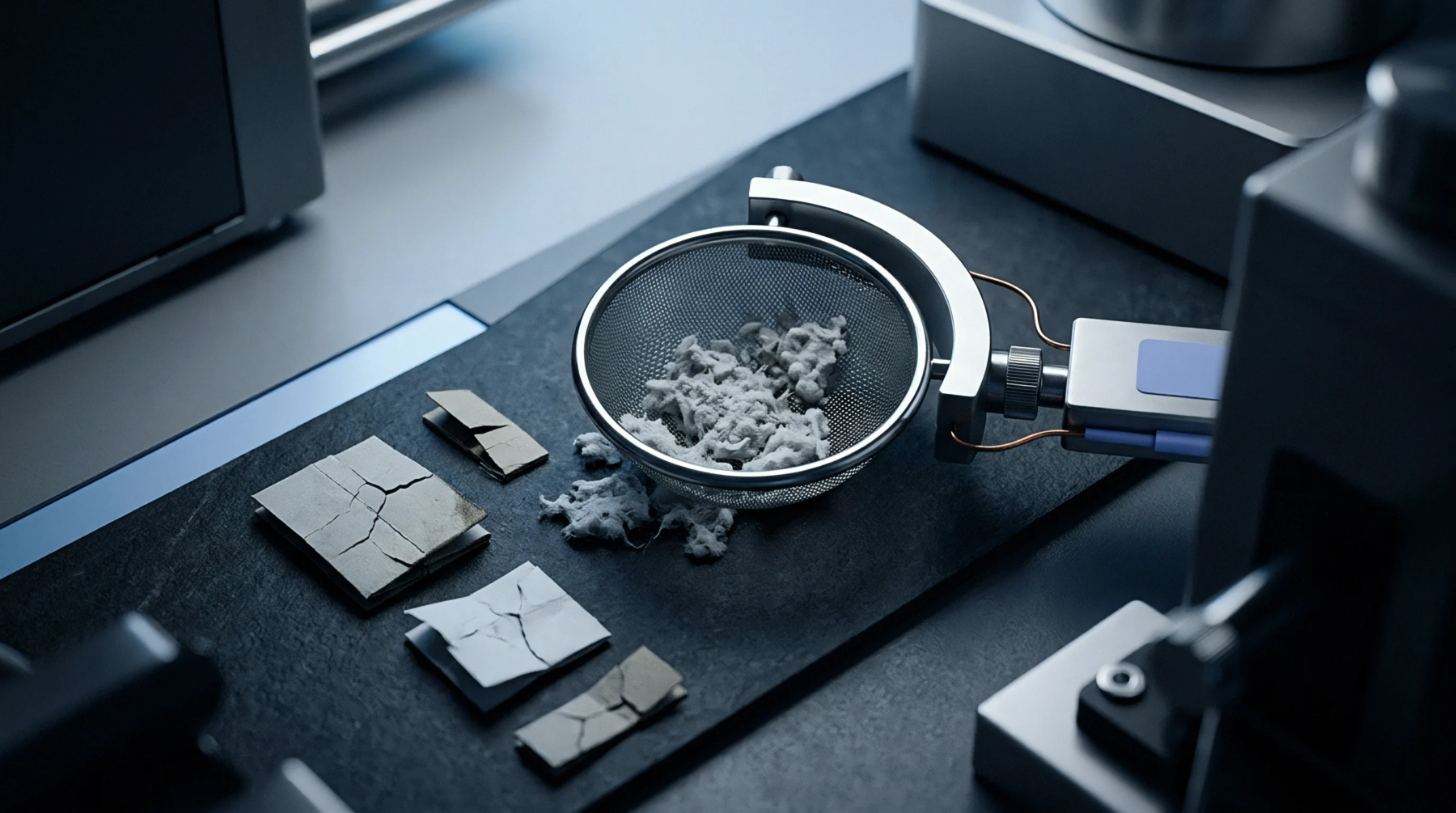
Converting operations must preserve the integrity of these convoluted internal pathways during scoring, folding and high-pressure carton formation. Severe scoring knives can crush brittle mineral layers, opening direct, non-tortuous micro-cracks that allow rapid gas penetration and destroy shelf-life projections for sensitive food products. Biaxial stretching of nanocomposite films aligns embedded clay platelets parallel to the film surface, increasing transport distance across thin polyolefin pouches.
Calendering paper substrates compresses the fiber network, narrowing inter-fiber voids and twisting transit paths to lower air permeability values. High structural path convolution remains the primary mechanical mechanism for retarding chemical permeation across paperboard barriers.