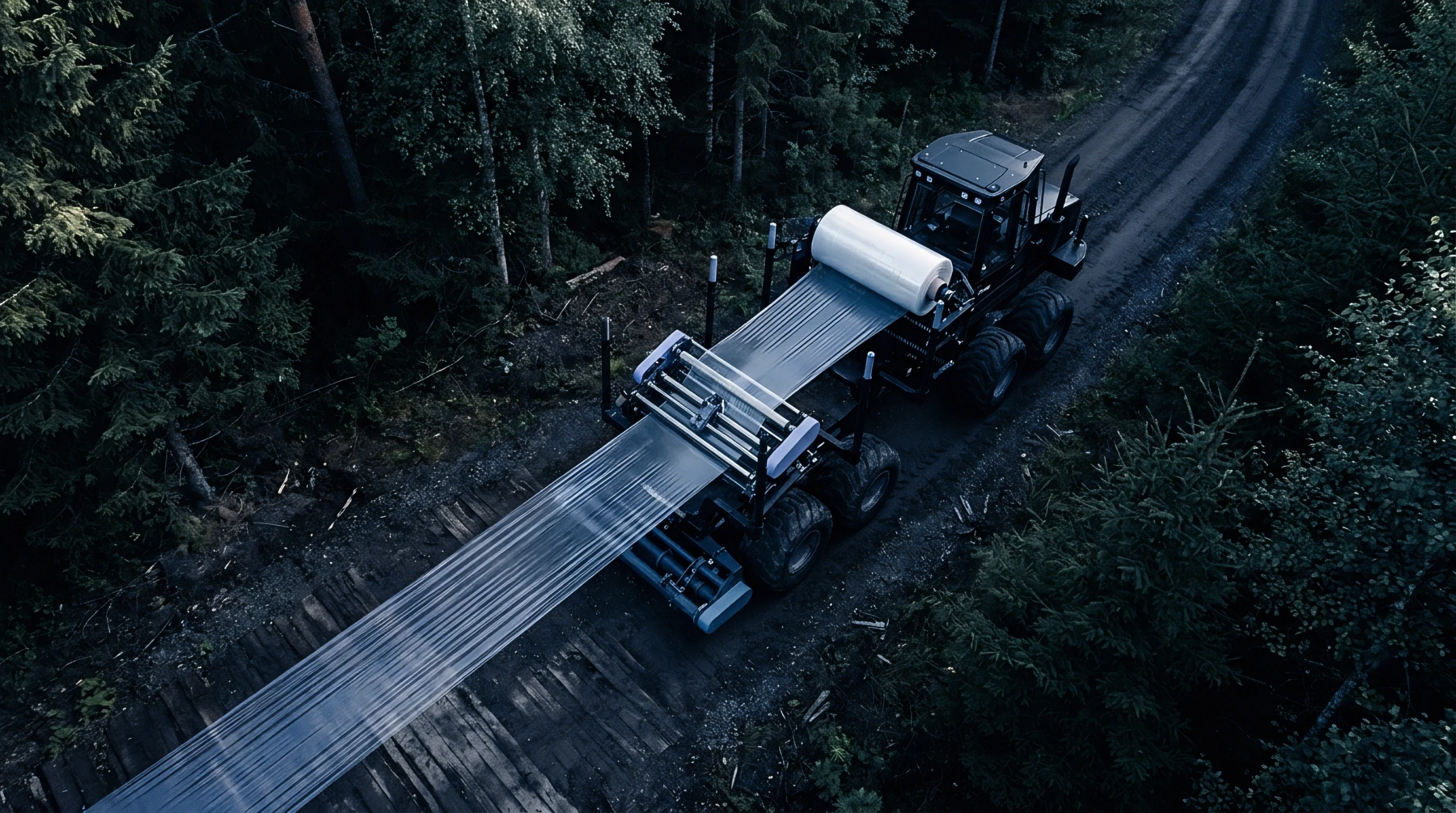
Coating Apparatus
A coating apparatus uses a high-velocity jet of air to meter the weight of a liquid applied to a moving web of paper. The air knife coater removes excess material after the initial application, leaving a uniform film that follows the surface contours of the substrate. This method differs from blade coating because it does not fill the valleys of the paper but maintains a consistent thickness across the entire profile.
Metering Mechanism
Pressure at the nozzle determines the final coat weight by shearing off the liquid layer. Because the air knife coater applies a non-contact force, it is particularly suited for pressure-sensitive or abrasive coatings that might damage a mechanical blade. Fine control of the impingement angle prevents the formation of bubbles or surface irregularities.
Variations in air flow can cause uneven coating distribution if the plenum is not properly balanced. The relationship between air velocity and the distance from the web is the primary factor in determining the shear force applied to the liquid.
Application Boundary
Water-based formulations represent the primary use for this technology in the production of specialty grades like thermal or carbonless paper. It is less effective for high-viscosity coatings or very high-speed production lines where drying capacity cannot keep pace with the wet application. Low solids content is often required to maintain the fluid state necessary for the air jet to function correctly.