Chemical Isolation
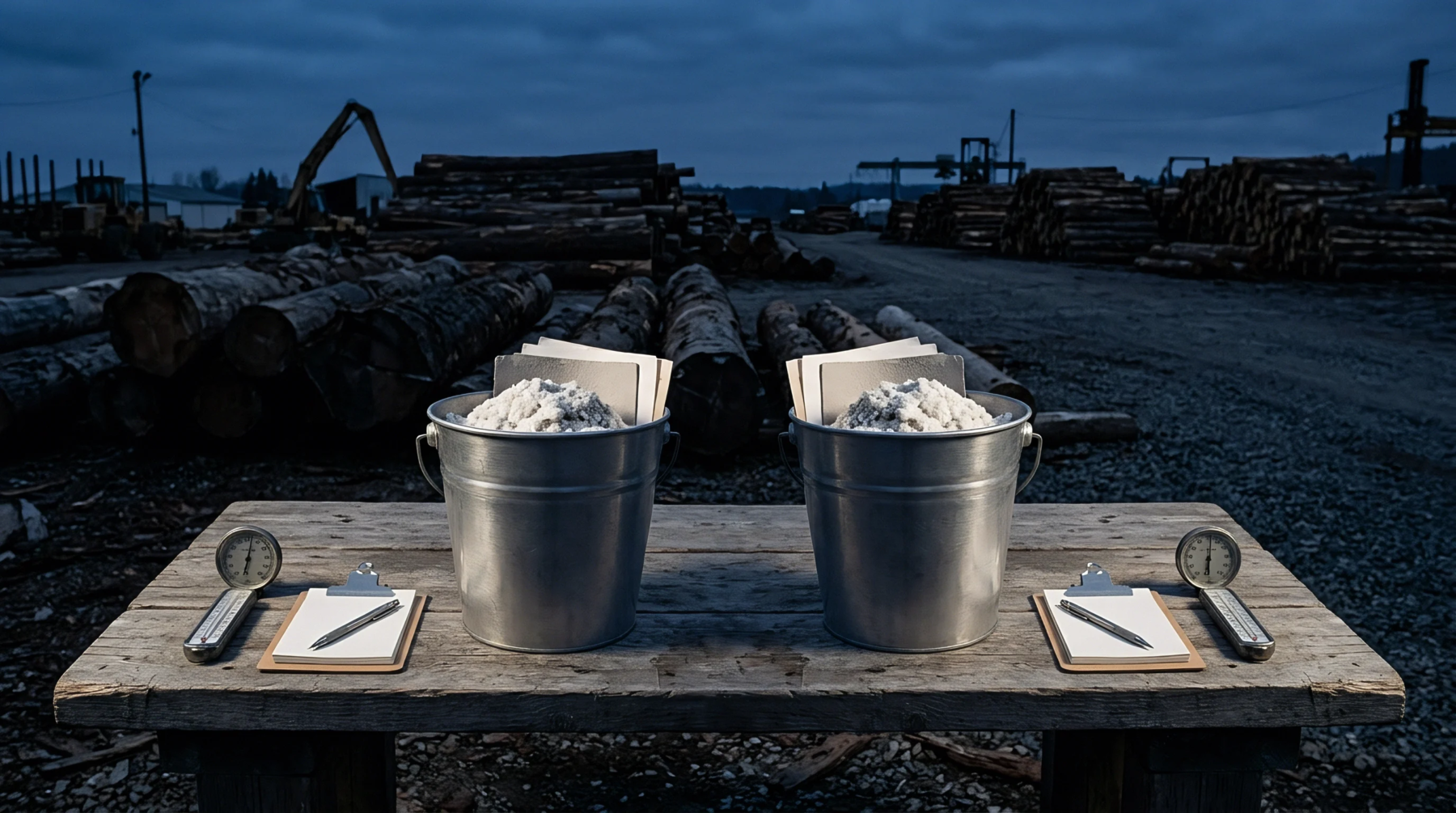
Delignification and alkaline washing isolate the high molecular weight polysaccharide fraction from lignocellulosic material to quantify chemical purity. The method of alpha-cellulose extraction exposes a pulp sample or milled timber specimen to a sodium chlorite or peracetic acid bath to remove residual lignin, followed by selective dissolution using seventeen point five percent sodium hydroxide at room temperature. That concentration dissolves lower molecular weight hemicelluloses, known collectively as beta-cellulose and gamma-cellulose, leaving behind insoluble long-chain glucan polymers.
The process governs stock characterisation for dissolving pulps, specialty filter substrates, and archival grades requiring chemical resistance against natural ageing. It does not measure total carbohydrate yield or mechanical fibre integrity.
Analytical Protocol
Stepwise leaching isolates the unbranched cellulose chains from low-mass carbohydrates through rigorous temperature controls and washing cycles. Solid holocellulose derived from acid-chlorite treatment is exposed to concentrated caustic soda for a defined period, diluted to an eight point three percent alkali solution with distilled water, and filtered through coarse sintered glass crucibles under mild suction. Acetic acid neutralises the retained fibrous mat before extensive deionised water rinsing strips lingering salts.
Subsequent drying at one hundred and five degrees Celsius determines gravimetric alpha-cellulose content. Stable isotope laboratories run identical protocols on tree-ring cores or pulp sheets to strip mobile resin acids, exchangeable hydroxyl groups, and mobile sapwood starches prior to pyrolysis, isolating fixed structural carbon and oxygen signatures for timber provenance tracking. Impure fractions degrade isotopic reproducibility.
Highly degraded recycled furnish shows artificially low recovery rates because hornification and mechanical attrition reduce the degree of polymerisation below the alkali solubility threshold.
Pulp Evaluation
Higher percentages of insoluble alpha residue indicate superior resistance to hydrolytic chain scission in finished sheet structures. The metric dictates suitability for high-tenacity industrial boards, cotton-content currency stock, and nitrocellulose feedstocks where hemicellulose contamination induces discoloration or premature embrittlement. Standard bleachable kraft grades show lower yields due to deliberate hemicellulose retention for tensile development.
Chemical wood pulps exceeding eighty-eight percent purity demonstrate minimal yellowing under extended heat exposure. High chemical purity simultaneously impairs sheet density because pure crystalline fibres resist inter-fibre swelling and hydrogen bonding during mechanical refining. Modern converters balance chemical longevity against internal bond strength.
Complete dissolution in cupriethylenediamine remains necessary when evaluating true macromolecular viscosity.