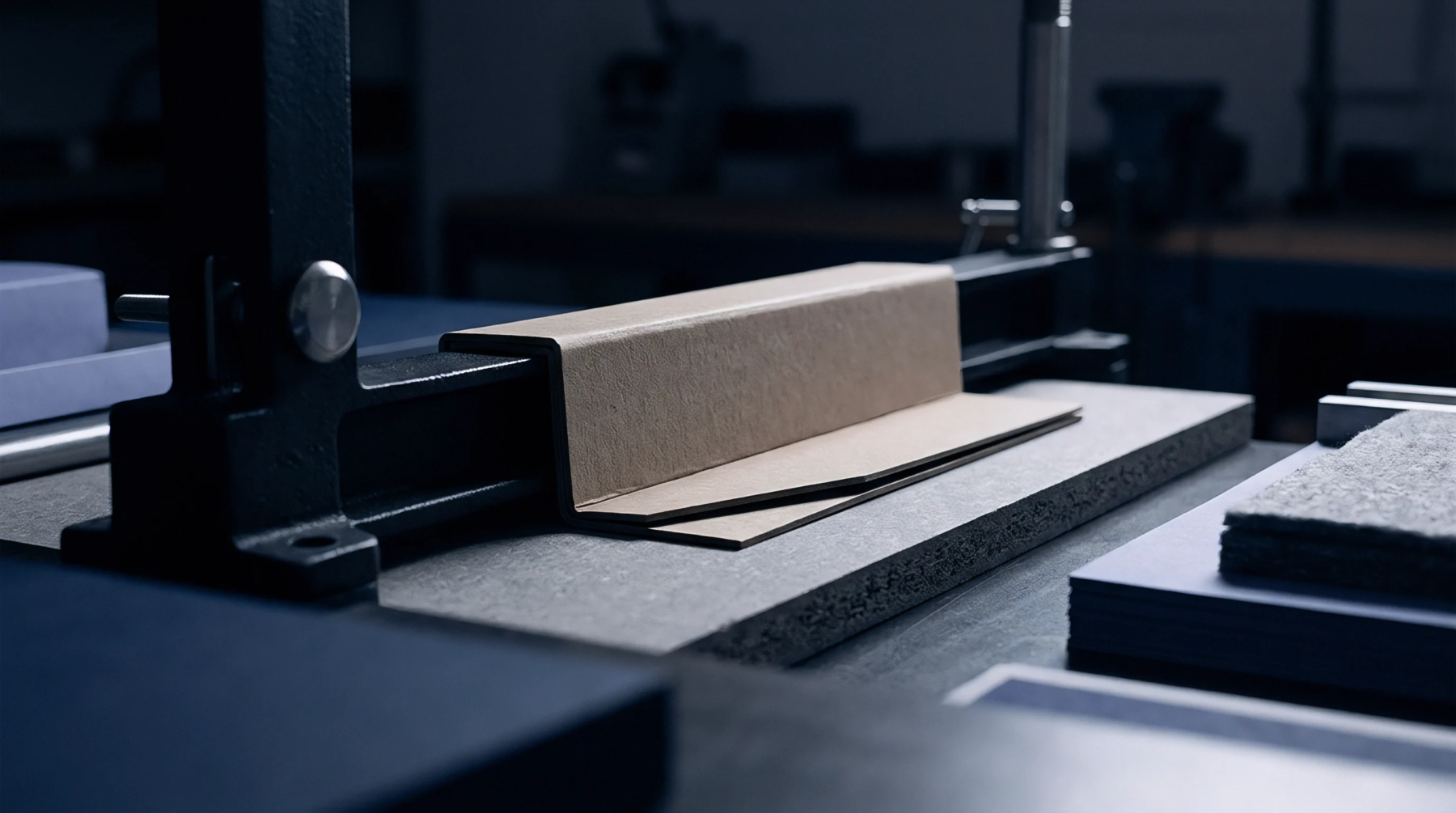
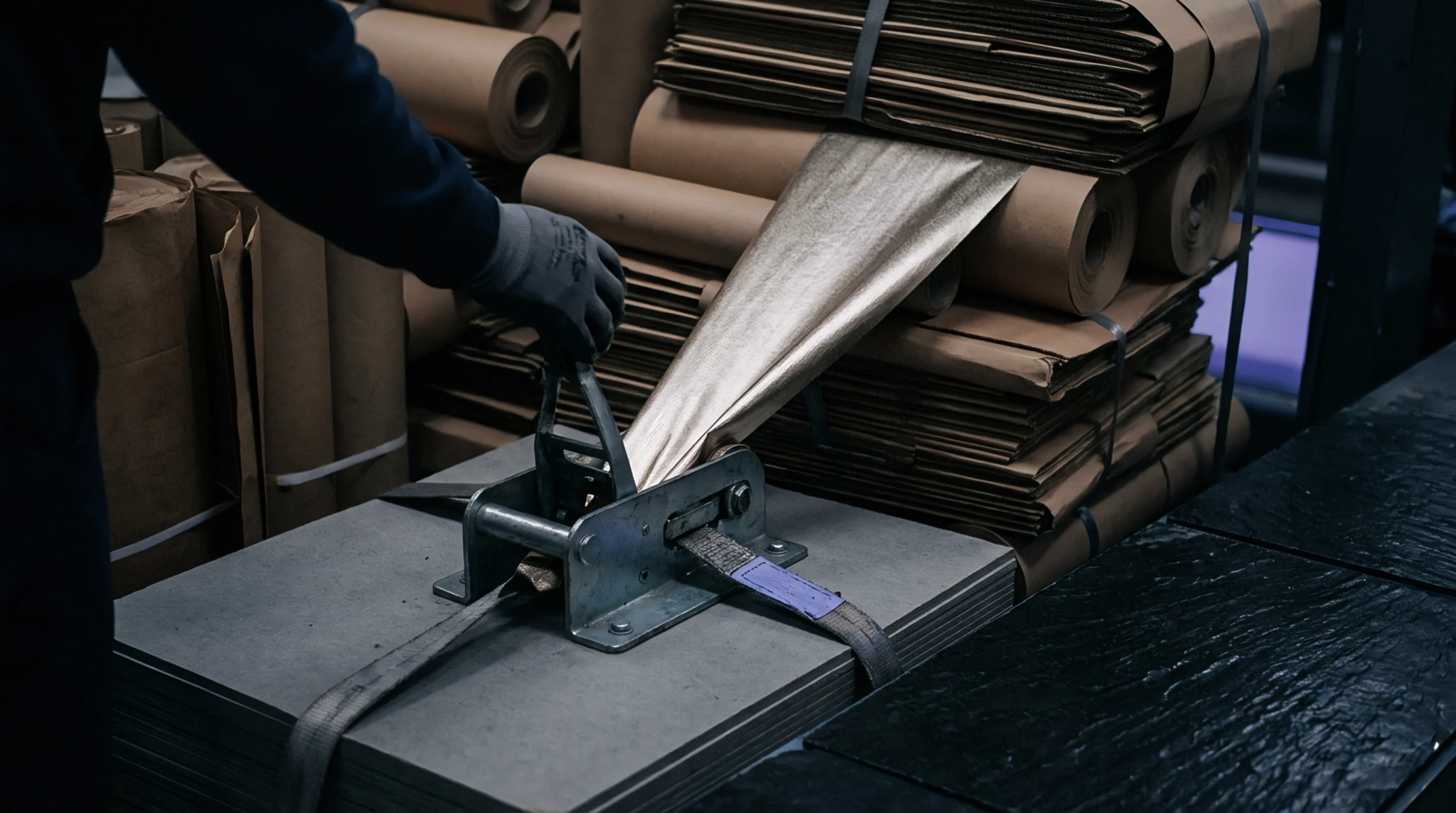
Adhesion Measurement
Laminate bond strength defines the physical integrity of flexible packaging structures destined for high-speed retort or pouch conversion lines. The ASTM F904 peel test quantifies the force required to separate plies of a bonded material at a specific angle and speed. Substrate manufacturers utilize this evaluation protocol to verify that extrusion coatings and adhesive laminations resist delamination under environmental stress.
Converters set minimum acceptable bond thresholds based on pouch contents and sterilization requirements. Lower than specified force values reveal inadequate primer application or improper nip roll pressure during the lamination run.
Force Mechanics
Constant rate jaw separation pulls bonded webs apart while a load cell records gram-force per width units. Separation speed directly influences measured resistance because polymeric adhesives exhibit viscoelastic behavior under mechanical stress. Ambient temperature and relative humidity inside the testing laboratory alter substrate stiffness and adhesive elongation properties.
Operators clamp specimen tails into pneumatic grips aligned perpendicularly to the peel interface to prevent tearing bias. Calibration routines verify load cell accuracy before technicians initiate any destructive pull sequence.
Process Control
Finished barrier films require dependable ply adhesion to prevent package failure during thermal processing or distribution cycles. Solventless and solvent-based laminating lines demand continuous monitoring of coat weights to maintain proper bond performance. Packaging converters reject rolls failing to meet established separation thresholds before material reaches bag-making machinery.
Correlated data between laboratory pull values and production line observations ensures consistent lamination quality across commercial printing runs.