Defect Identification
Print quality degradation in multi-colour offset lithography often manifests as irregular, blotchy variations in ink density across the printed image. This non-uniformity, known as back-trap mottle, occurs when ink already deposited on the sheet is partially re-transferred or picked up by the subsequent printing blankets on downstream units. The defect arises due to uneven ink absorption by the paper, causing variations in the tack of the first ink film before it reaches the next station.
Poorly set fountain solution or improper emulsification can worsen this uneven transfer. The transferred ink builds up on the subsequent blankets, which progressively leads to poorer image definition and variable gloss across the finished print run.
Substrate Interaction
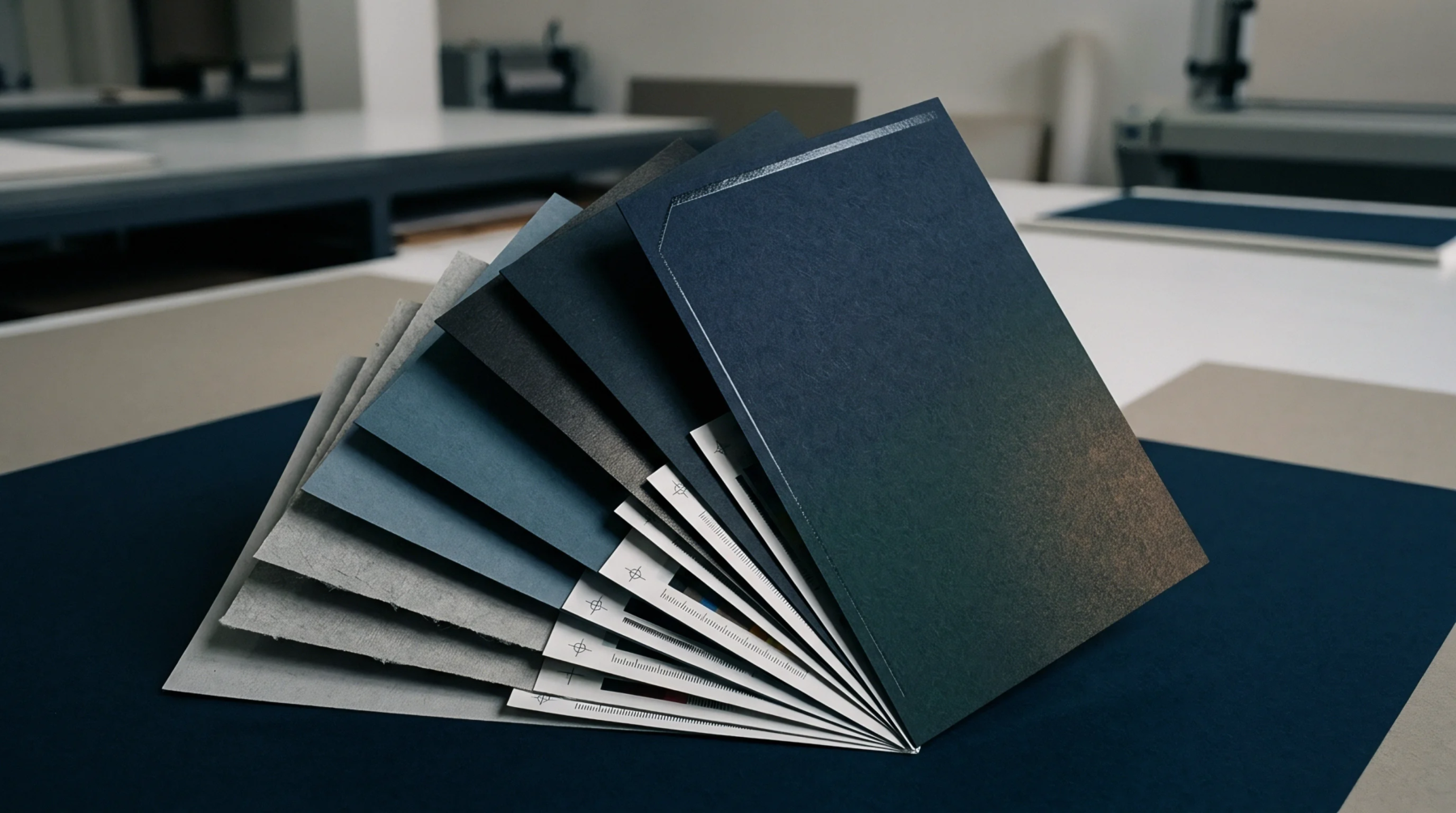
Coated paperboard and paper grades with non-uniform surface porosity are highly susceptible to this defect. When the coating layer exhibits local density variations, the absorption of the ink vehicle occurs at different rates across the sheet. Consequently, ink in areas of low absorption remains wet and high in tack, making it more prone to being pulled back onto the subsequent blanket.
The surface energy of the substrate and the ink must be carefully matched to ensure rapid and uniform setting of the initial ink films.
Mitigation Strategy
Adjustment of ink tack sequences is the primary mechanical remedy used by press operators. By decreasing the tack of successive inks, the force exerted by the blanket is minimized. Adjusting the press speed and blanket cylinder pressure also reduces the shear forces that trigger the pick-off.