Combined Board
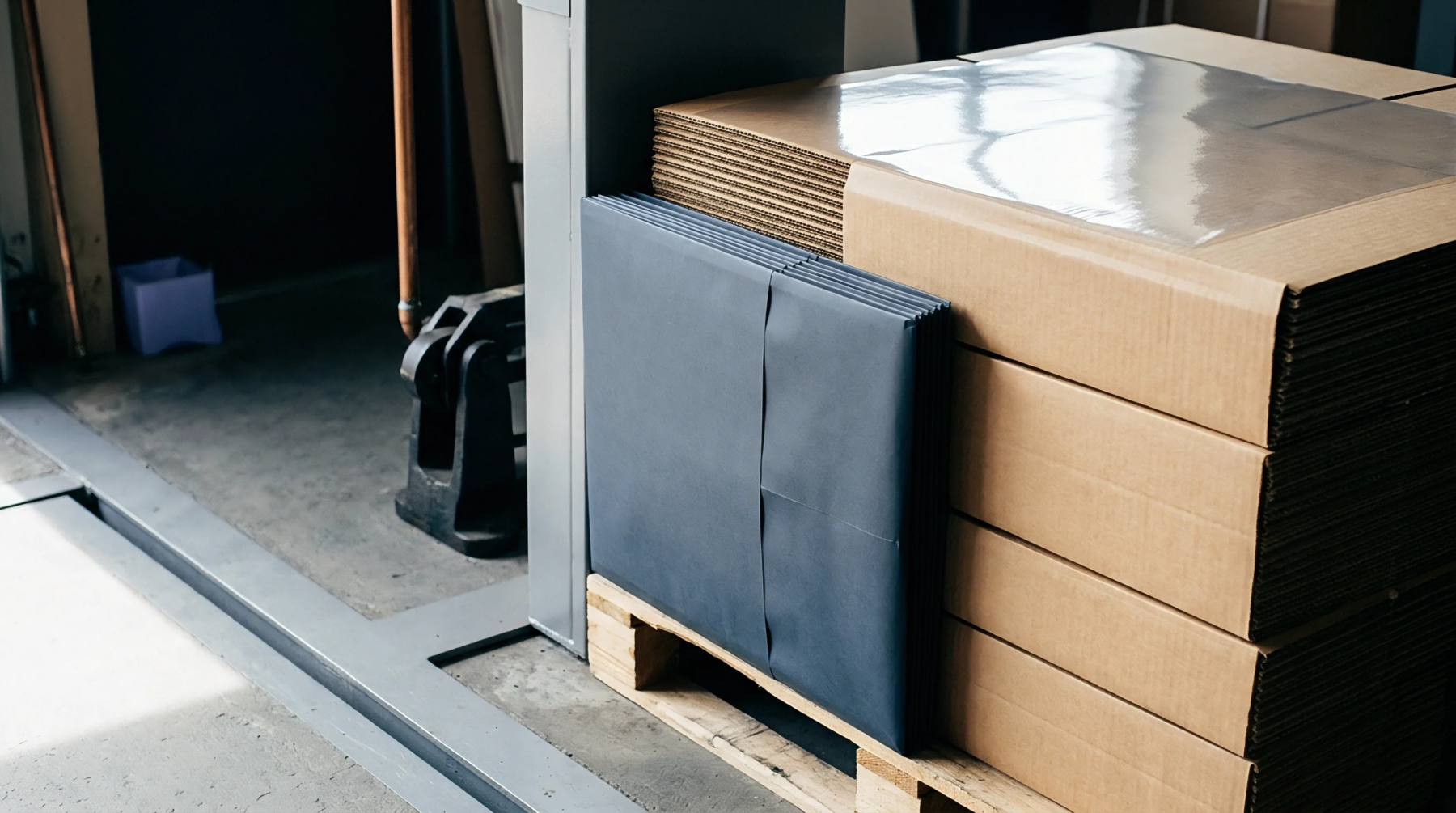
Corrugated board of five-ply construction combines two different wave profiles to provide both high stacking strength and resistance to puncture. Standard packaging lines often employ bc flute to secure heavy or fragile items during international transit. The combination of a tall wave profile with a shorter one generates a thickness of approximately six millimeters.
This thickness provides an effective barrier against impact, because the larger structure absorbs sudden energy while the smaller profile maintains rigidity under load. Heavy consumer appliances and bulk industrial goods rely on this composite structure to prevent damage from external compression. It ensures that the primary product faces minimal vibration.
Structural Behaviour
Compression resistance in these heavy double-wall containers depends on the structural cooperation between the individual paper components. The thicker outer profile of the bc flute handles the primary shock absorption, while the denser inner profile resists flat crush loads. This distribution of mechanical stress prevents early container failure under heavy loads.
Static loads are held stable over long periods.
Performance Constraint
Flexural stiffness decreases when moisture levels in the surrounding air rise beyond seventy percent. High relative humidity weakens the adhesive bond between the fluted papers and the flat liners, leading to premature buckling of the bc flute walls. Starch consumption rises during the manufacture of this grade due to the dual corrugating points.
Production lines must therefore run at lower speeds to ensure complete drying.