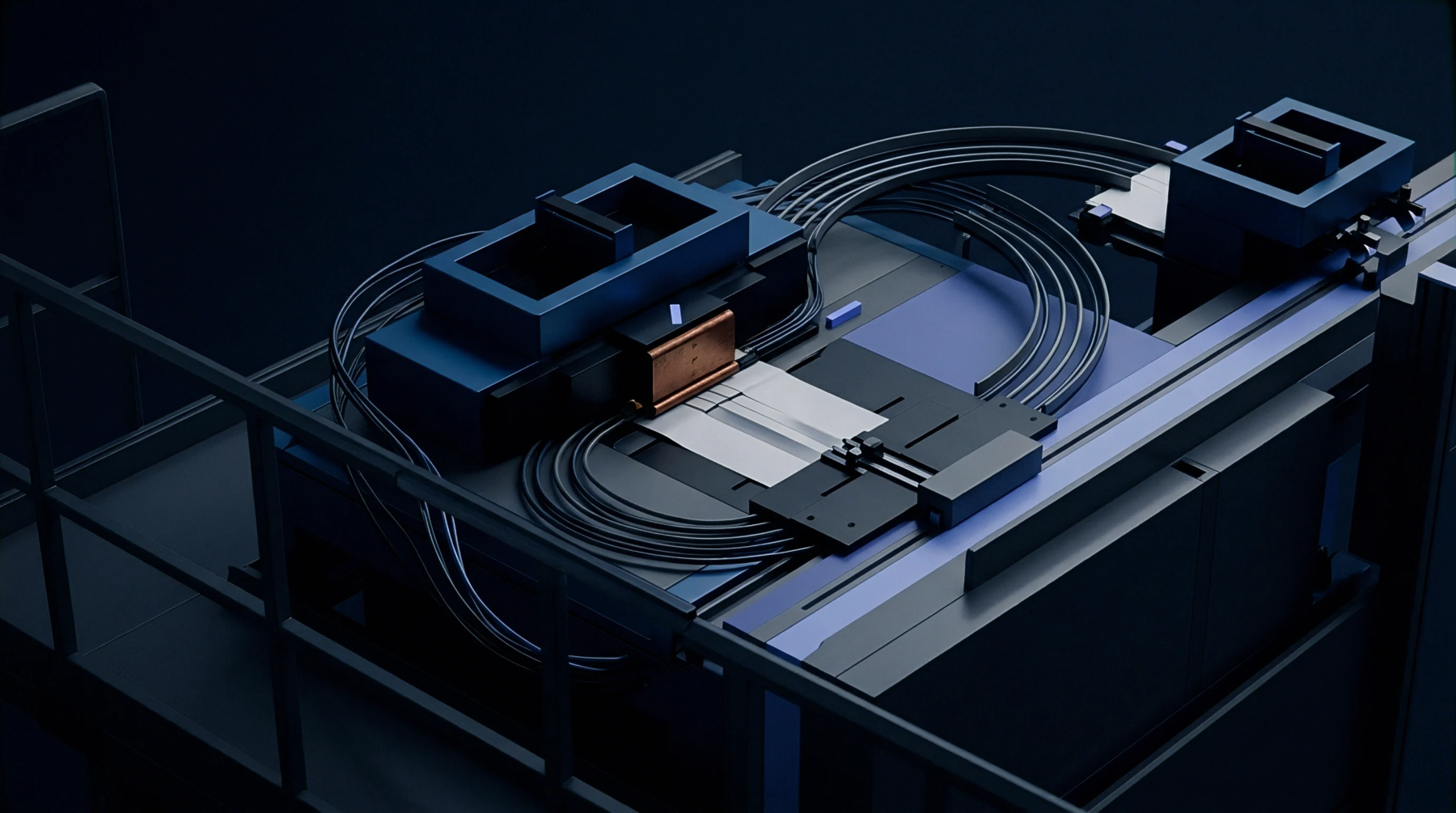
Surface Interaction
Physical phenomena occur when two sliding surfaces are separated by a thin film of lubricant that is not thick enough to prevent contact between surface asperities. In the context of paper converting, boundary lubrication describes the state where chemical additives or thin coatings reduce the friction between the moving web and stationary metal components. This condition occurs at low speeds or under high loads.
Friction Management
Molecules with polar groups attach to the metal or paper surface to form a protective layer that resists shearing forces. Utilizing boundary lubrication prevents the paper surface from scuffing or generating excessive heat during high-tension winding operations. The effectiveness depends on the chemical affinity of the lubricant for the substrate.
Equipment Protection
Maintaining this thin protective layer reduces the rate of wear on slitters, rollers, and forming boards. Without proper boundary lubrication, the direct contact between fibers and steel leads to accelerated blade dulling and frequent downtime for maintenance. The choice of additive must also consider the downstream impact on glue adhesion and ink receptivity.
Careful selection ensures that the reduction in friction does not interfere with the ability of the finished package to be stacked safely. It also prevents the buildup of static electricity.