Fibre Reclamation
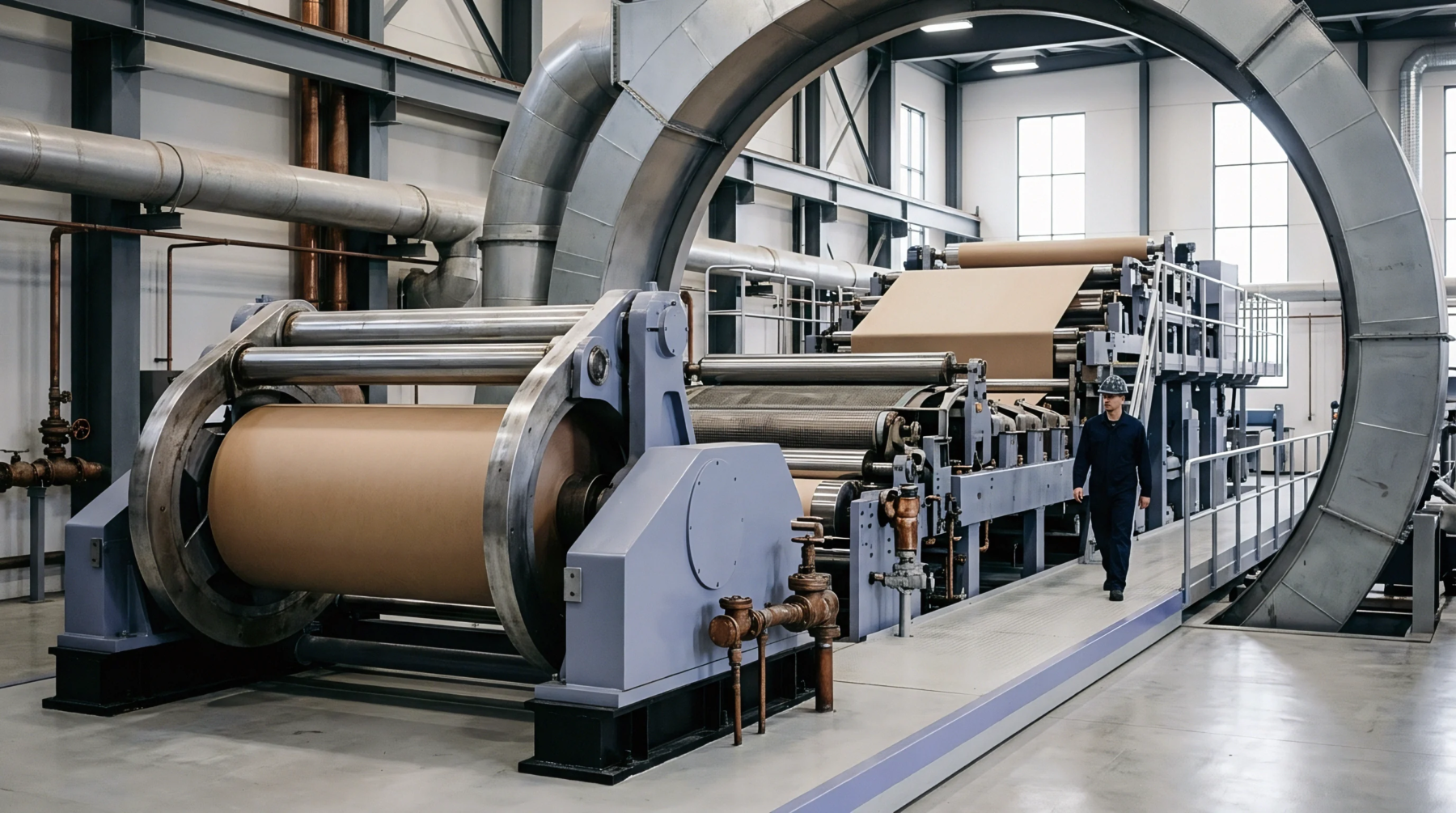
Hydropulping processes recover internal mill scrap, trim offcuts, and non-conforming paper rolls by resuspending dry paperboard in process water to regenerate papermaking stock. Effective broke pulping reintroduces cellulosic material back into the wet-end stock preparation line without upsetting refined freeness or paper formation profiles. Wet broke from couch pits enters high-dilution agitators directly, while dry broke from rewinder trims, reel turnups, and off-spec jumbo reels enters high-consistency pulpers.
Modern virgin and recycled packaging mills operate distinct broke recovery systems to maintain traceability and isolate chemical contaminants from the core furnish.
Rotor Mechanicals
High-shear rotors create rotational vortices inside baffled vats to break dry web structures along inter-fibre hydrogen bonds without cutting individual fibres. Wet-strength additives like polyamide-epichlorohydrin resins complicate broke pulping by creating covalent crosslinks that resist neutral ambient repulping. Recovery of wet-strength boxboard demands elevated temperatures reaching sixty degrees Celsius, adjusted pH environments, and specialised mechanical deflakers downstream.
Uncoated mechanical papers repulp rapidly in low-consistency tubs operating at three to five percent solids, whereas heavy multi-ply board requires high-consistency helical rotors operating at ten to fifteen percent solids to generate maximum inter-fibre shear friction. Plastic coatings, extrusion lamination films, and hot-melt adhesives introduce stickies into the repulped slurry. Subsequent screening, centrifugal cleaning, and thermal dispersion systems must isolate and extract these synthetic contaminants before the reclaimed broke stock enters machine furnish blending chests.
Over-refining wet broke damages fibre freeness, creating slow drainage on the forming fabric that limits maximum paper machine speeds.
Furnish Integrity
Inclusion rates for recovered broke typically span between ten and twenty percent of total stock volume on modern board machines to avoid swings in machine direction sheet strength. Excessive dry broke loading increases the fines fraction, deteriorating sheet porosity and lowering internal bond strength measured by Scott bond testing. Variations in broke addition rates destabilise wet-end charge balances and alter sizing efficiency.