Structural Reduction
Physical reduction of board caliper below traditional thresholds requires absolute control over fiber orientation during wet end formation. Caliper downgauging alters bending stiffness exponentially because thickness cubes in flexural calculations. Papermakers manage this by increasing refining intensity to build internal bonding networks that compensate for the loss of bulk.
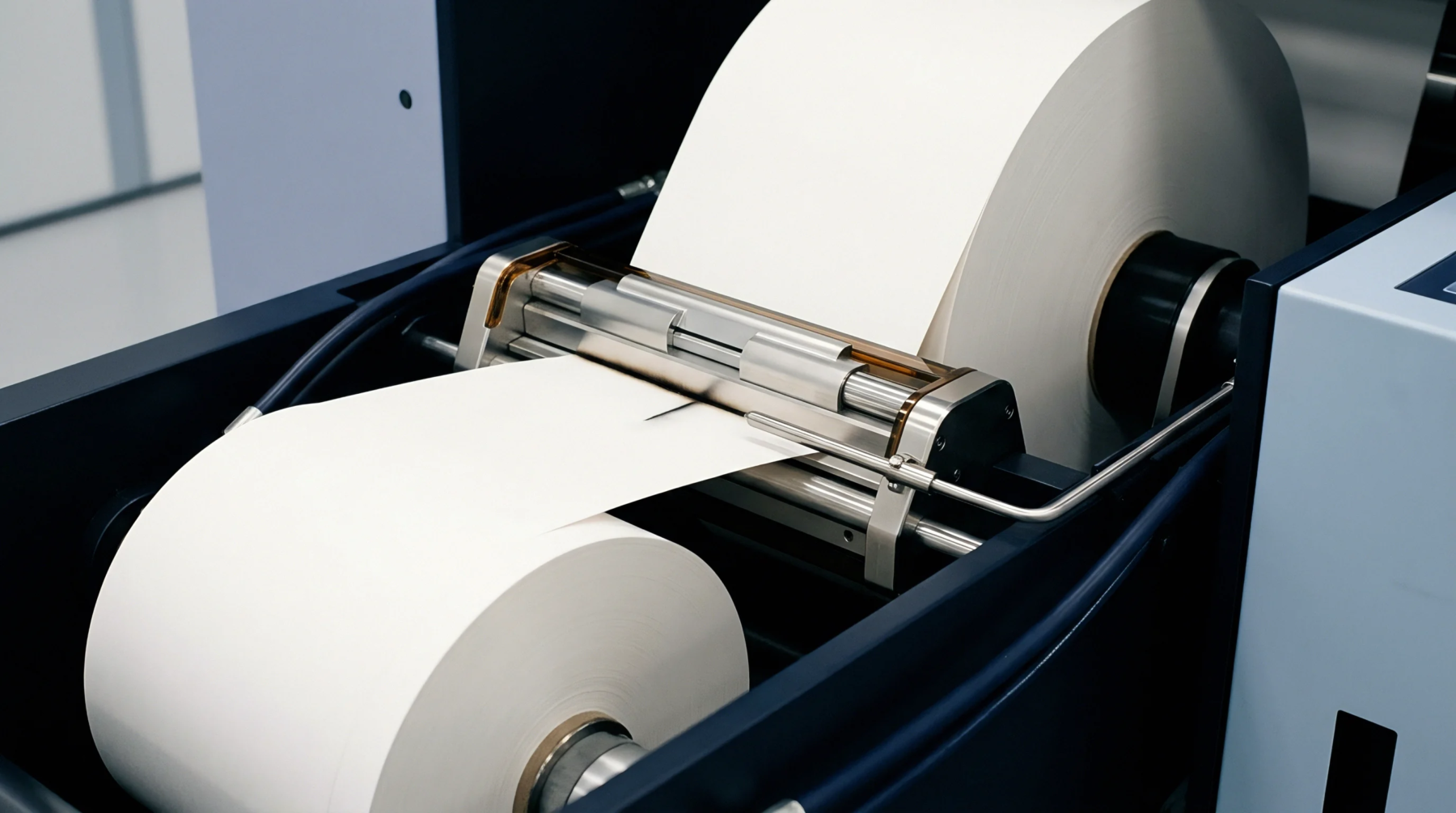
Converting lines running lightweight folding boxboard must adjust vacuum pressures on suction roll pickups to prevent crushing weaker webs.
Conversion Tolerance
Converting machinery experiences higher web tension sensitivity when handling reduced thickness substrates. Caliper downgauging demands tighter tolerances on die cutting pressure settings because the lower cushioning effect of the material accelerates anvil wear. Crease depth must be recalculated using shallower matrix channels to avoid cracking the outer liner during folding.
Feed rollers require recalibration to prevent slippage across smoother and thinner surfaces entering high speed rotary cutters.
Yield Optimization
Material efficiency gains drive packaging buyers toward thinner corrugated and cartonboard profiles. Caliper downgauging reduces freight volume by packing more units per pallet without sacrificing pallet stacking strength if compression tests confirm box performance. Secondary packaging lines absorb these thinner profiles successfully only when glue application systems deliver exact adhesive volumes without soaking through the reduced fiber layer.
Pallet stability relies entirely on maintaining vertical load distribution across lighter secondary packaging units.