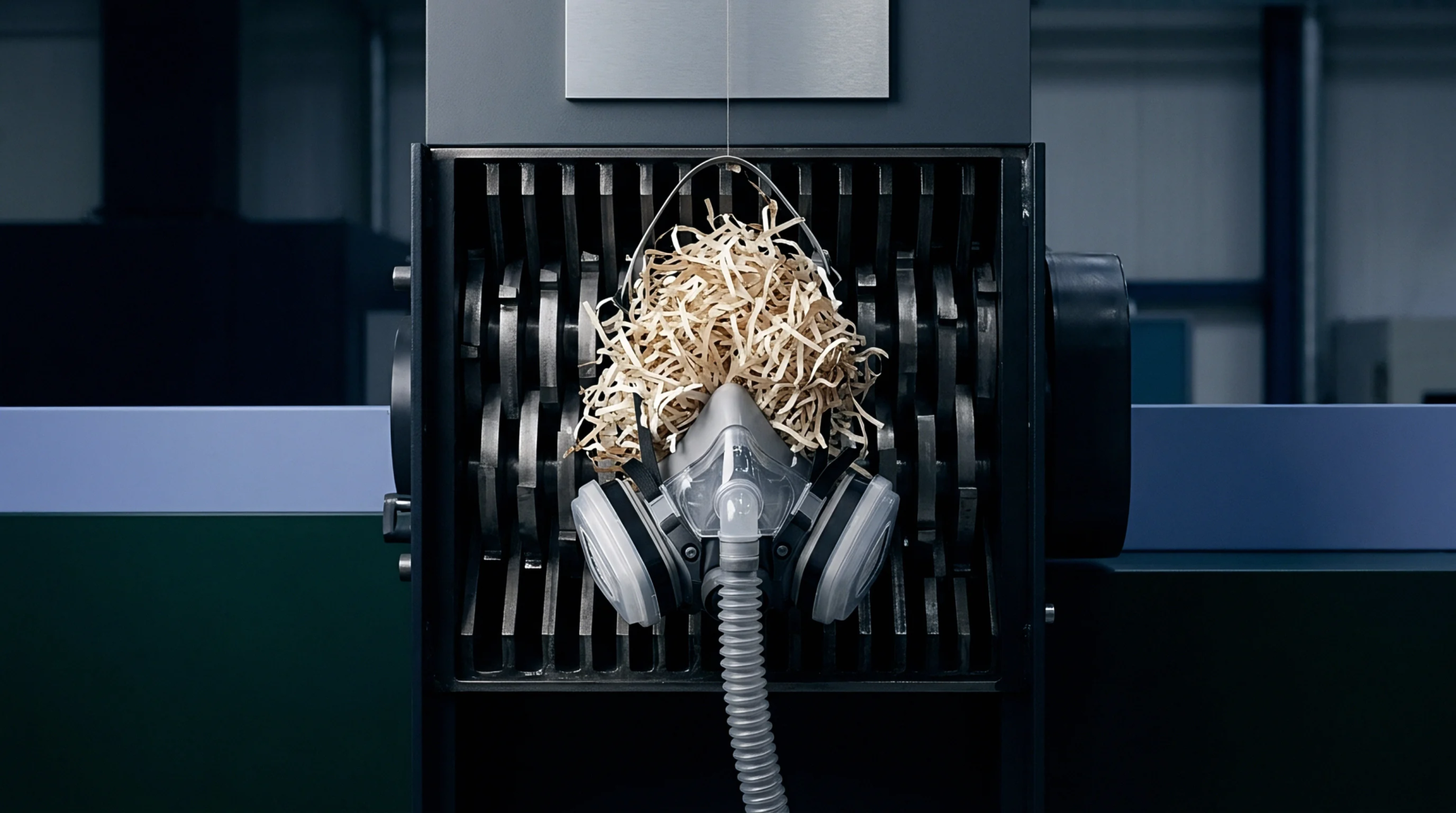
Dewatering Action
Sheet consolidation on a paper machine starts in the forming section where the dilute fibre suspension travels over a moving wire to drain excess water. Before the wet web transitions to the press section, couch nip pressing employs a heavy roll pressed against the suction couch roll to squeeze additional moisture from the fragile sheet. This mechanical action increases the dryness of the web, raising its tensile strength so that it can span the open draw without tearing.
The application of this method is confined to grades that can withstand high wet compression without losing bulk or suffering surface damage.
Sheet Compaction
Density development in the paper web is heavily influenced by the force applied at the boundary of the forming zone. During couch nip pressing, the wet fibres are brought into closer physical contact, which promotes the early stages of hydrogen bonding. This early bonding is critical for lightweight printing papers that require high initial wet strength to run at high machine speeds.
Insufficient pressure at this stage results in a weak sheet that is prone to breakages further down the line.
Energy Efficiency
Drying paper represents the most energy-intensive portion of the manufacturing process. Removing water mechanically is many times cheaper than vaporising it with steam-heated cylinders. Efficient couch nip pressing reduces the thermal load in the subsequent dryer section, directly lowering the overall fuel consumption of the mill.