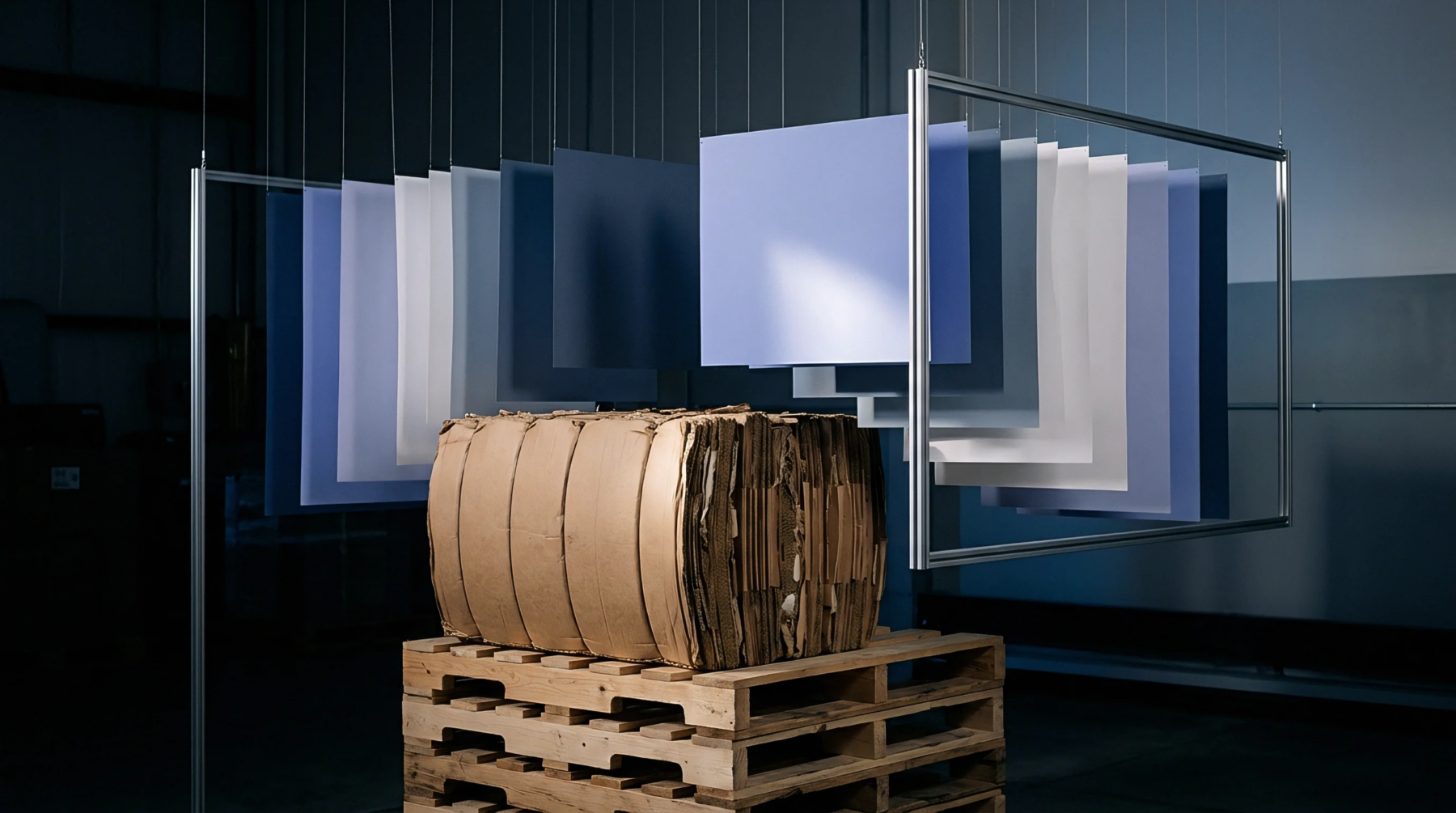
Drainage Sequence
Liquid removal progression describes the rate at which water leaves the pulp suspension as it moves through the forming and pressing stages of a paper machine. Monitoring the dewatering profile allows operators to identify where the sheet achieves its structural integrity. Measurements taken at the forming table and press nips define this curve.
Vacuum Efficiency
Control over the vacuum levels at the wet end determines the final moisture content before the web enters the dryer section. If water is removed too quickly, the sheet may become two-sided or suffer from pinholes. Sluggish drainage limits machine speed and increases the thermal load in the steam cylinders.
Proper adjustment of the suction boxes ensures that the dewatering profile remains consistent across different grammages and furnish types. A stable profile prevents fluctuations in basis weight and ensures that the finished board meets tensile requirements.
Fibre Retention
The interaction between chemical additives and mechanical drainage forces dictates how many fine fibres stay within the paper web. Retention aids modify the dewatering profile by flocculating small particles, which prevents them from passing through the forming fabric with the white water. Variations in this sequence can indicate a change in pulp freeness or a malfunction in the drainage foils.
Efficient dewatering is necessary to maintain high production speeds on the machine.