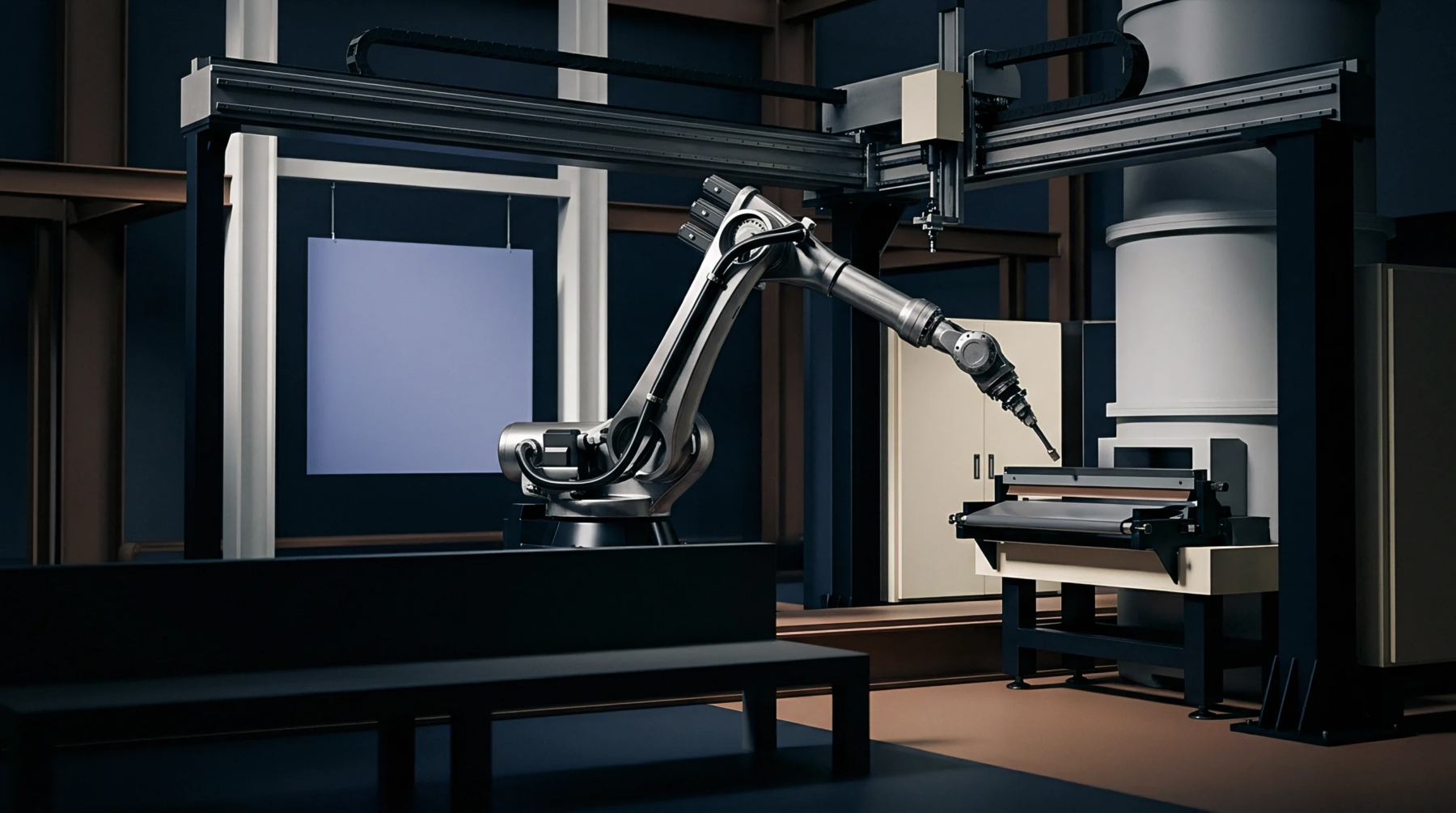
Substrate Correction
The mechanical correction of paperboard curl in both the machine and cross directions represents a crucial step in preparing wound rolls for high-speed printing presses. This dual-axis decurling is performed by passing the web over adjustable small-diameter rods or bars under high tension. It restores the flat profile of the sheet before it is cut or converted.
Stress Relief
Applying localized bending stress to the paper fibers neutralizes the inherent strain caused by tight winding on the roll core. While machine-direction curl is corrected by bending the paper against its winding direction, cross-direction curl requires a separate, angled action to address the cross-grain tension. This dual action ensures that the sheet remains stable through subsequent processing.
When paper is subjected to heat or humidity changes during multi-stage printing, this relieved tension prevents the sheet from curling again.
Converter Runnability
Converting operations depend on a flat substrate to avoid jams in automatic feeders and to ensure precise registration. If the paper or paperboard is not properly flattened, the resulting curl can cause feeding failures in high-speed sheet-fed presses or misalignment during carton folding. By adjusting the wrap angle and the skew of the decurling rods, operators can adjust the treatment to match the basis weight and humidity of each batch.
Consistent decurling reduces waste and ensures the final packaging is flat and easy to stack.