Material Dimensionality
Dimensional deformation within cellulose substrates occurs when moisture absorption causes individual fibres to swell transversely. Hydro-expansion strain describes the resulting physical displacement of the sheet area as the water content transitions from equilibrium to saturation levels. Papermakers monitor this property to predict register shifts during multi-colour offset printing or liquid packaging formation.
Excessive movement creates edge waviness or cockling that complicates automated converting operations.
Structural Variance
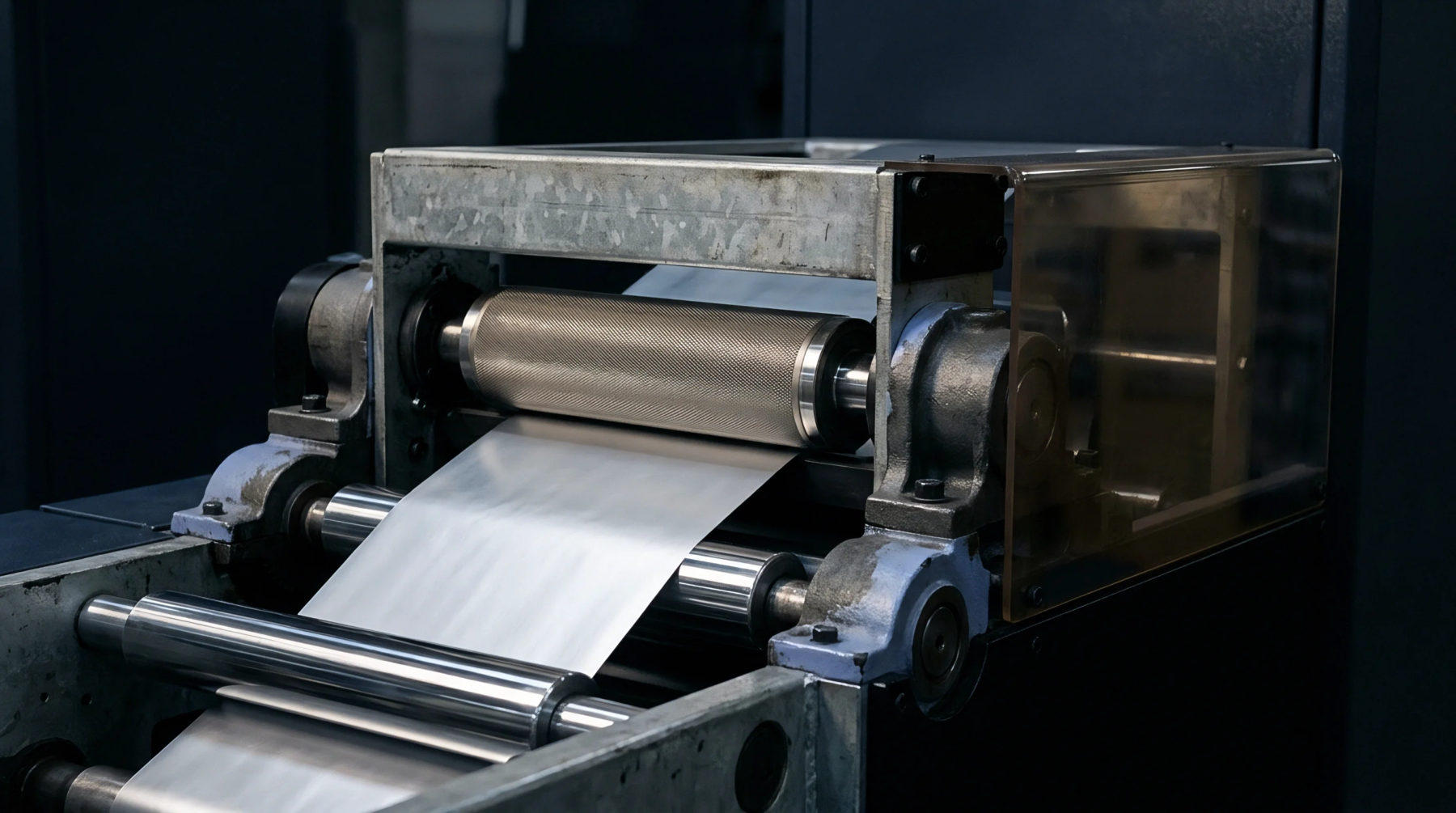
Fibre orientation across the machine direction dictates the non-uniform reaction of a sheet to humidity changes. Sheets display higher sensitivity when manufactured with a significant ratio of hardwood pulp or during specific refining stages that encourage internal bonding. Converting facilities measure these changes using high-precision optical sensors during initial web unwinding to adjust tensioning profiles.
Proper management of these fluctuations preserves pattern alignment in complex die-cutting tasks or precision laminating processes. Controlled moisture conditioning prior to arrival at the printing press prevents the substrate from accumulating cumulative distortion.
Performance Constraint
Producers define the limits of acceptable sheet growth by testing samples inside controlled humidity chambers that simulate extreme climate shifts. Mechanical tensioning systems require these specific expansion parameters to maintain web stability throughout high-speed printing cycles. Accurate prediction of this deformation prevents ink misregistration and ensures the physical integrity of final folds in containers.
Quantitative analysis confirms that dimensional stability dictates the upper threshold for water-based coating application on uncoated stock.