Structural Composition
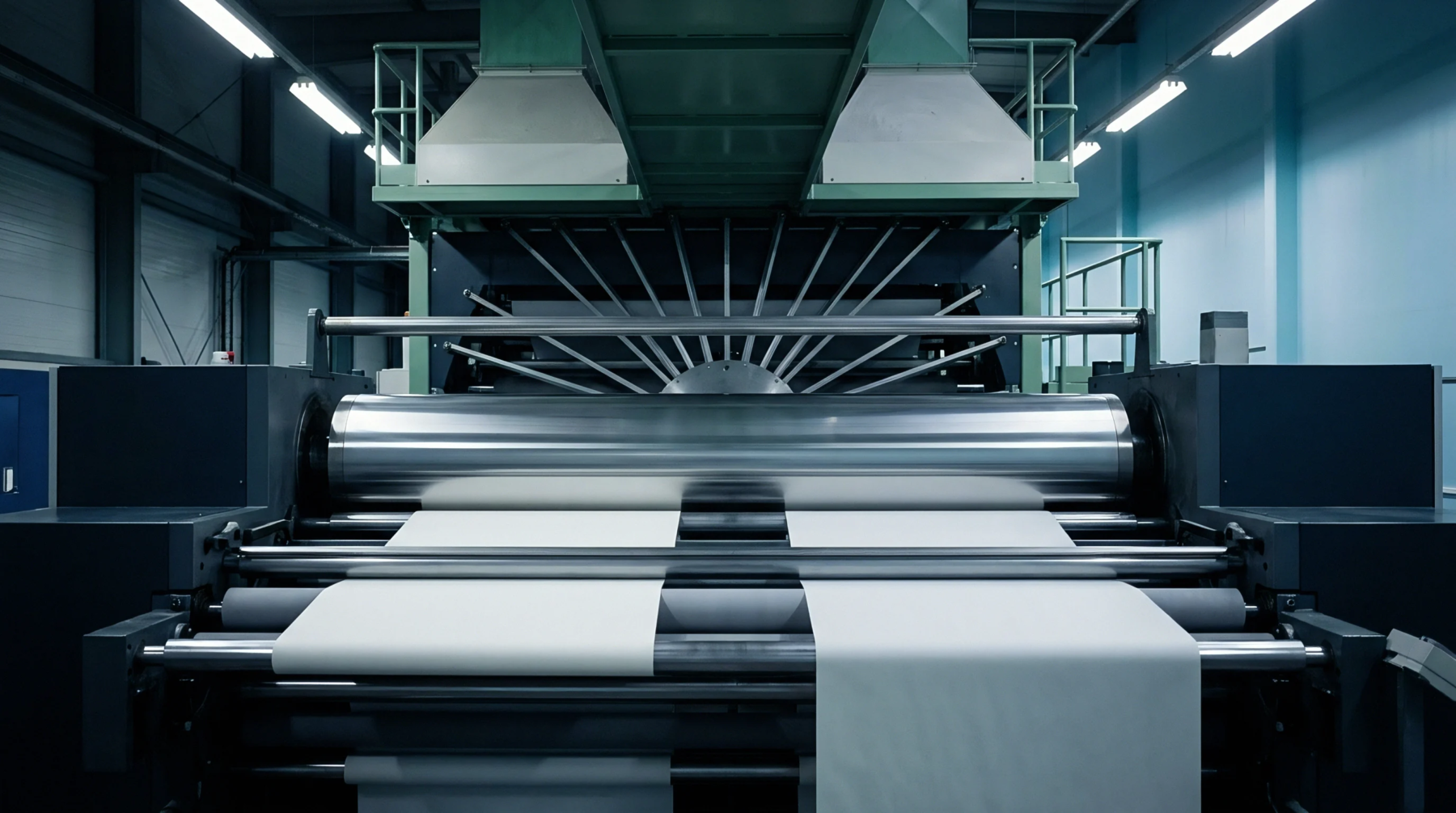
Unbleached sulphate paperboard manufactured with predominantly virgin softwood fibers forms the high-strength outer and inner facings of corrugated shipping containers. Packaging mills specify kraftlinerboard when transport boxes require high burst strength and compression resistance during cold storage transit. Production involves multi-ply web forming where long softwood fibers provide tensile strength while top plies receive refined fibers for smooth printing surfaces.
Standard grades contain at least eighty percent virgin sulphate pulp to maintain structural performance under high relative humidity.
Bursting Resistance
High Mullen burst indices characterize virgin fiber networks subjected to sulphate cooking. Incorporating kraftlinerboard into heavy-duty corrugated board constructs yields high box compression test values. Long softwood fibers interlock to resist tensile tearing under stacked pallet loads.
Fiber Sourcing
Virgin softwood pulp requirements create strict boundaries between unbleached kraft facings and testliner alternatives made from recycled paper stocks. Secondary recycled fibers degrade in length during repeated repulping, lowering internal bond strength and moisture resistance compared to virgin kraftlinerboard. Combining virgin top layers with recycled base plies creates pseudo-kraft grades, but international transport packaging standards restrict official certification to sheets meeting virgin fiber ratios.
High humidity environments weaken recycled linerboards rapidly, whereas virgin softwood kraft networks retain structural integrity across temperature fluctuations.