Structural Architecture
Structural integrity in laminated cartons depends on combining a rigid paperboard substrate with a protective polymer or foil barrier layer. Converters bond these multi-layer materials using extrusion coating or adhesive lamination to achieve specific moisture and oxygen resistance thresholds. Performance standards dictate that the finished packaging must withstand high compression loads during palletisation and transit without deforming.
Board stiffness and caliper tolerances directly influence how smoothly the material feeds through high-speed folding and gluing machinery.
Barrier Performance
Functional performance relies on the continuous film layer preventing gas or liquid migration through the package walls. Microscopic pinholes in the applied polyethylene or aluminium foil layer cause premature product spoilage and compromise shelf life. Testing protocols measure water vapour transmission rates under controlled temperature and humidity conditions to verify that the barrier meets exact commercial specifications.
Manufacturers adjust the grammage of the extrusion coating to balance moisture protection against cost and environmental regulations.
Converting Precision
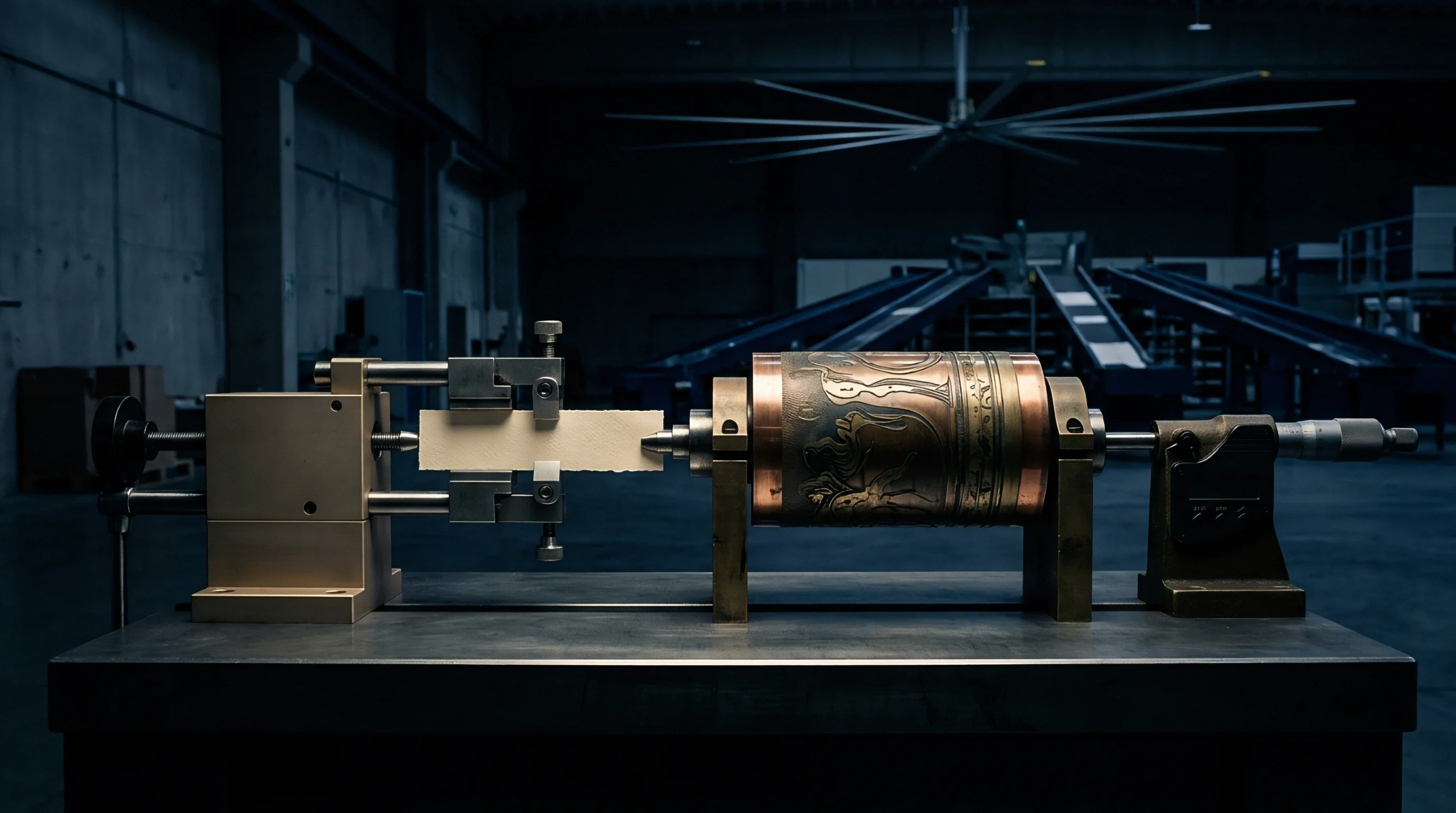
Die-cutting accuracy and crease depth determine the folding efficiency and structural strength of the assembled container. Rotary dies must score the laminated board cleanly without fracturing the internal fibre layers or delaminating the outer barrier film. Thermal sealing bars apply precise pressure and heat during the forming stage to create hermetic seams along the longitudinal edges.
Machine operators monitor tension controls constantly throughout the run to prevent web distortion and maintain dimensional stability across large production volumes.