Polymer Redistribution
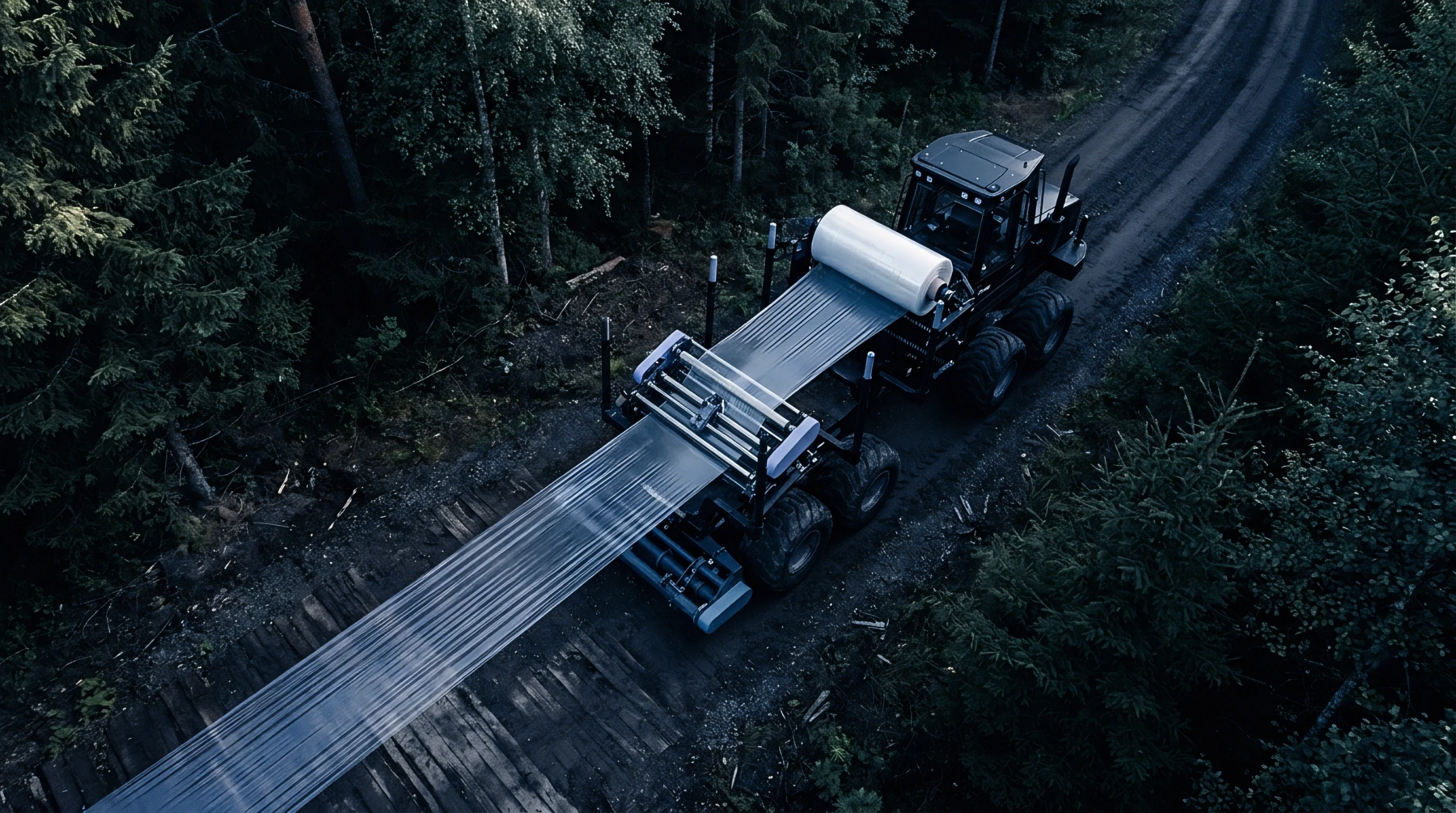
The transverse redistribution of molten thermoplastic material under nip pressure dictates coating layer uniformity along paperboard substrates. Lateral resin displacement occurs within the extrusion lamination nip when chilled steel and rubber backing rolls exert compressive force on the molten polymer bead. This movement spreads the polymer across micro-valleys on the fibrous sheet surface, promoting mechanical interlocking before thermal solidification occurs.
Die Geometry
Extruder die lip adjustments and melt pressure profiles govern cross-directional displacement magnitude. Non-uniform die gaps produce localized melt accumulations that undergo excessive lateral resin displacement under nip pressure, creating heavy film edges and caliper variations across the web. Severe displacement leads to edge bead formation that must be trimmed prior to winding to prevent reel edge build-up.
Proper die temperature control maintains consistent melt viscosity across the entire deckle width.
Coating Uniformity
Substrate surface roughness influences the degree of polymer displacement required to achieve continuous barrier pinhole freedom. Highly porous or rough kraft liners require higher nip pressures to force lateral resin movement into open surface pores. Uneven displacement leaves thin spots across paperboard peaks, compromising oxygen and moisture barrier performance.
Precise nip pressure calibration ensures uniform barrier coverage without crushing underlying paperboard fibers.