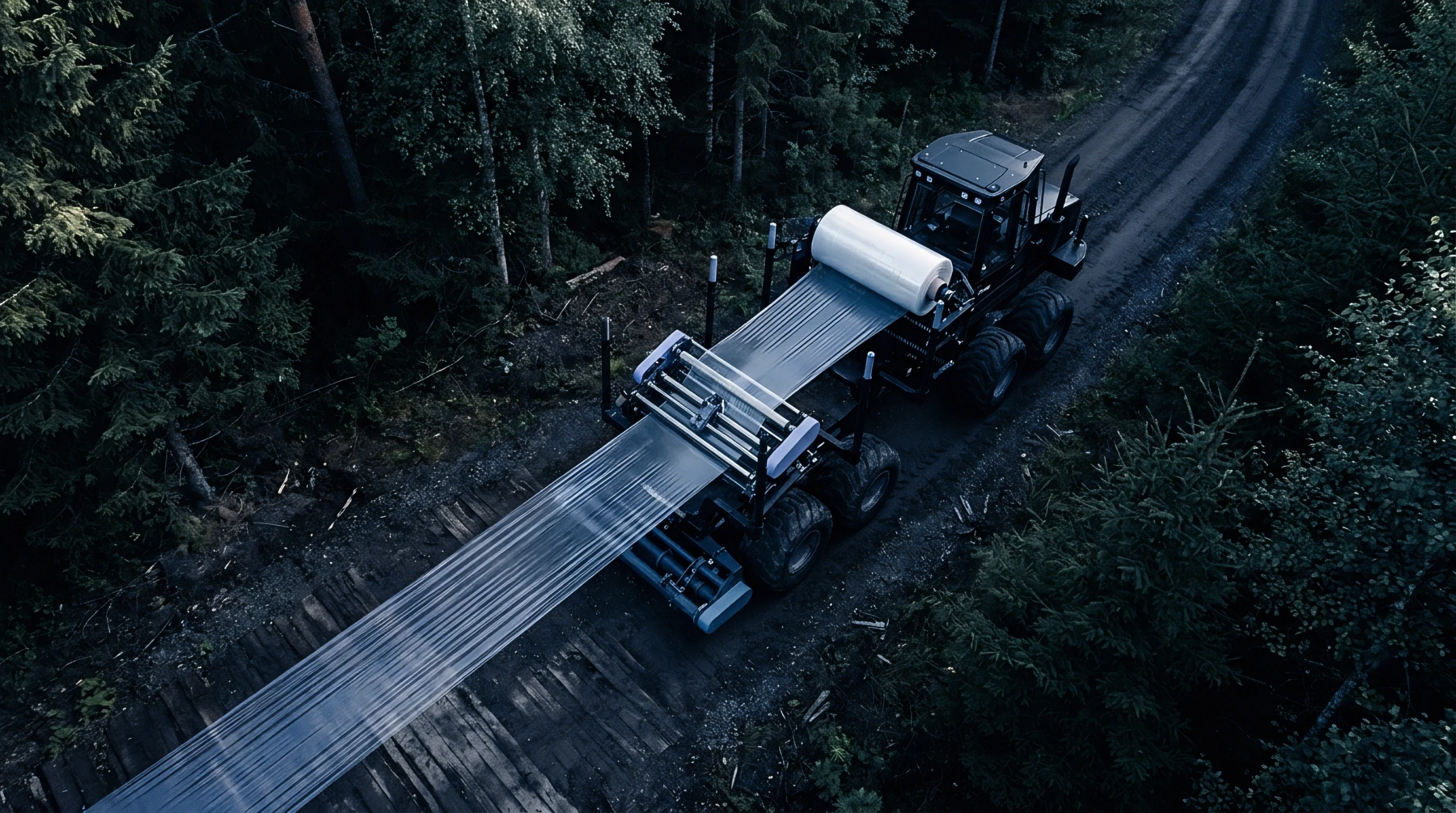
Extrusion Uniformity
Barrier film production relies heavily on low density polyethylene skin layers to prevent downstream blockages during heat sealing operations. Extruders apply this thin polymeric stratum directly onto porous paperboard substrates to establish moisture resistance and grease containment within folding cartons. Die temperature variations during the coating process create thickness anomalies across the web width, which directly compromise the integrity of the finished barrier.
Coextrusion heads manage polymer melt distribution through internal manifolds to maintain consistent caliper tolerances before the material contacts the chill roll.
Adhesion Mechanics
Molten polymer curtain deposition requires precise air gap control between the die lip and the nip point to achieve adequate oxidation on the substrate interface. Oxidation polarizes the polyethylene surface, generating the necessary chemical bonding sites for fiber tear adhesion during subsequent conversion stages. Insufficient dwell time in the ambient air gap suppresses surface activation, leading to delamination under mechanical stress or thermal loading.
Converters measure bond strength through peel tests, evaluating whether the coating remains anchored to the paper fiber matrix under standard atmospheric conditions.
Seal Integrity
Packaging machinery utilizes heated jaw assemblies to fuse overlapping low density polyethylene skin sections into hermetic closures without scorching the underlying substrate. Seal initiation temperature depends on molecular weight distribution and branching characteristics inherent to the selected resin grade. Excessive sealing pressure squeezes molten material away from the weld zone, producing a weak seam prone to failure during vacuum leak testing.
Cooling jaws solidify the polymer matrix rapidly, locking in crystalline structures that sustain mechanical loads during distribution and storage.