Particle Composition
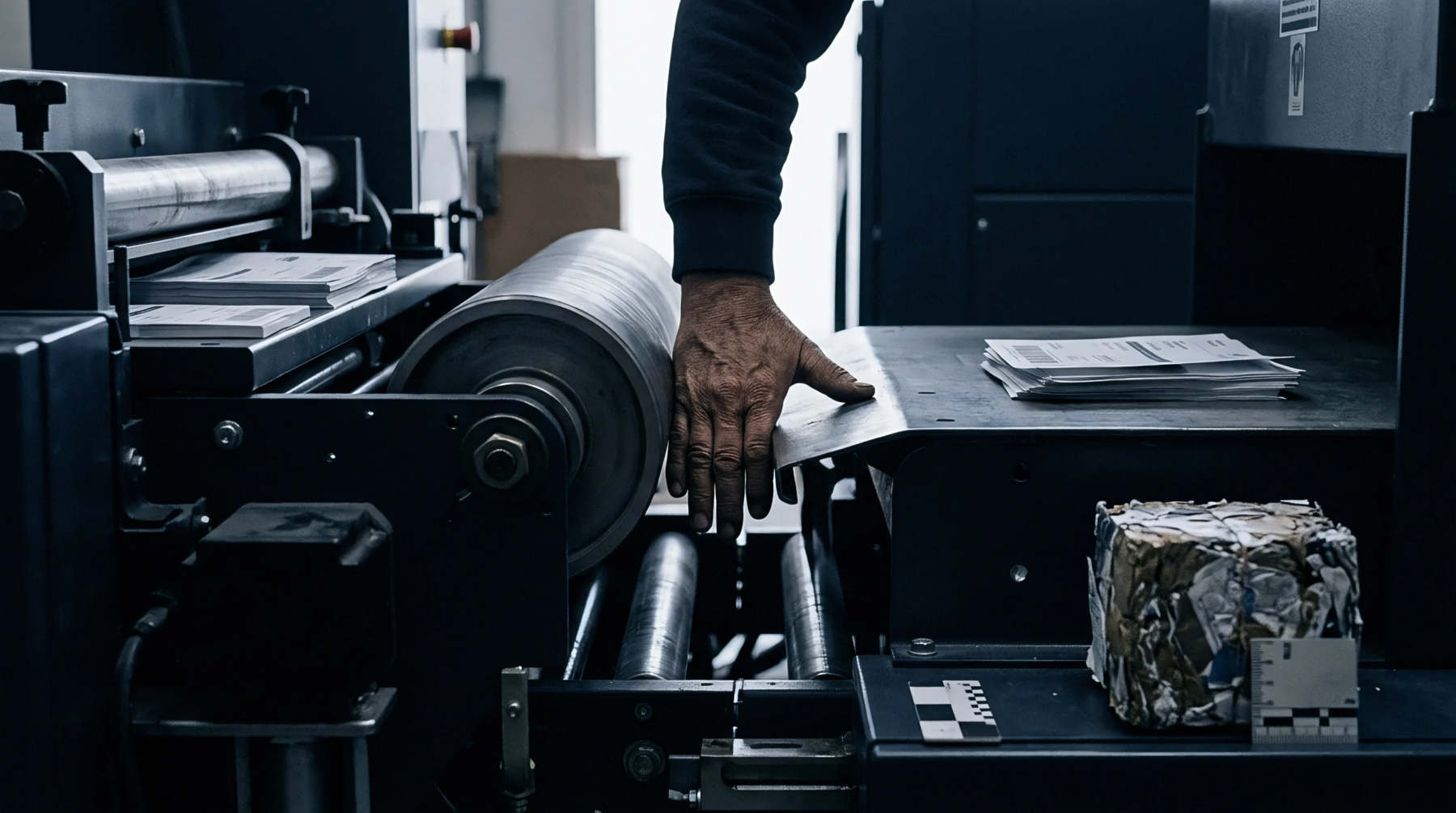
Particles of pressure sensitive adhesives larger than one hundred micrometers represent a physical failure mode within the recycled fibre stream that disrupts paper machine operations and converter performance. These macro sticky contaminants originate from processed consumer packaging like labels or tapes that survive the repulping sequence due to poor solubility in neutral or alkaline aqueous solutions. Mills target these objects for removal because they aggregate into larger agglomerates that plug wire mesh screens or adhere to press rolls during the papermaking formation phase.
Detection relies on image analysis software which scans dried sheets for spots that possess a low melting point or tacky surface characteristic.
Systemic Removal
Separation logic focuses on the specific gravity and size of synthetic resins compared to cellulose fibers during the screening stage of production. Recycled fibre stock flows through slotted screens where wide apertures capture macro sticky contaminants based on physical dimension alone. Fine slots increase the efficiency of this exclusion but also raise the probability of fiber loss during the cleaning process.
Centrifugal cleaners exert shear forces that pull heavier plastic fragments toward the outer wall of the vessel while lighter adhesive bits remain in the central vortex for extraction. Engineers adjust the pressure drop across these units to optimize the removal of synthetic debris without triggering excessive chemical waste or energy consumption within the mill infrastructure.
Process Consequence
Persistent defects in the converted roll result in picking or tearing when the paper contacts drying cylinders at high speeds. Adhesive buildup on the rollers transfers to the sheet surface and creates localized thin spots or total breaks that halt the conversion line. Print houses reject inventory displaying this contamination because the tackiness ruins doctor blades and clogs ink transfer plates during long runs.
Surface sizing and chemical additives modify the affinity of these residues toward the fiber web to reduce the rate of sheet snapping. Reliable control of these adhesive particles protects the integrity of the substrate and ensures consistent runnability across all printing platforms.