Vapour Fraction
Low molecular weight gaseous compounds that remain in the vapor phase at standard ambient temperature and pressure constitute the light fraction of pyrolysis off-gases. Thermal degradation of packaging substrates generates non-condensable gas alongside heavy oil vapors and solid char. Pyrolysis systems processing paperboard laminates produce significant volumes of carbon monoxide, carbon dioxide, methane, and hydrogen gas.
Separating these gaseous components from condensable oil vapors requires multi-stage condensation circuits maintained at controlled temperatures.
Combustion Dynamics
Composition of the light gas stream varies according to feedstock composition and pyrolysis operating conditions. High cellulosic content in paper sludge and unbleached kraft board increases carbon dioxide and carbon monoxide proportions through thermal decarboxylation. Synthetic polymer fractions produce methane, ethane, propane, and ethylene, which raise the gross calorific value of the gas stream.
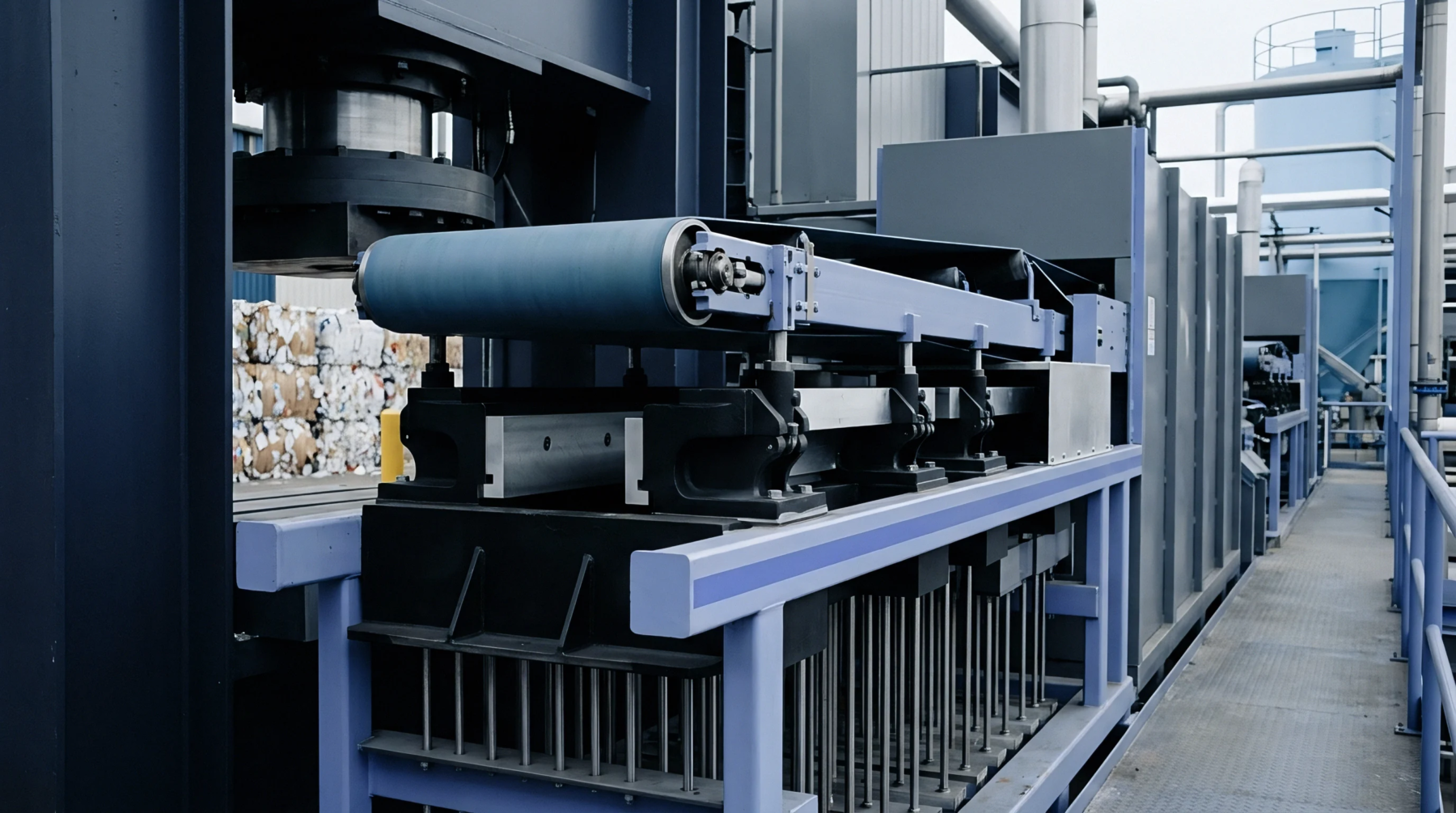
Pyrolysis plants route these permanent gases directly to internal burners to supply process heat for endothermic thermal cracking. Recirculating hot flue gas around the main reactor reduces external fuel gas demand and lowers net operating expenses. Excess gas production requires flaring or secondary scrubbing to remove hydrogen sulfide before atmospheric discharge.
Moisture content in paper feedstocks elevates water vapor fractions, which lowers burner combustion efficiency and increases exhaust volume. Thermal oxidisers treat scrubbed off-gas streams to ensure full oxidation of residual volatile organic compounds.
System Limit
Mass balance schemes classify off-gas utilized for internal process heating as energy recovery rather than material recycling. Packaging converters auditing chemical recycling outputs verify that non-condensable gas volumes are excluded from recycled content attribution calculations. Environmental operating permits specify continuous emission monitoring for nitrogen oxides and carbon monoxide generated by internal gas combustion.