Structural Stability
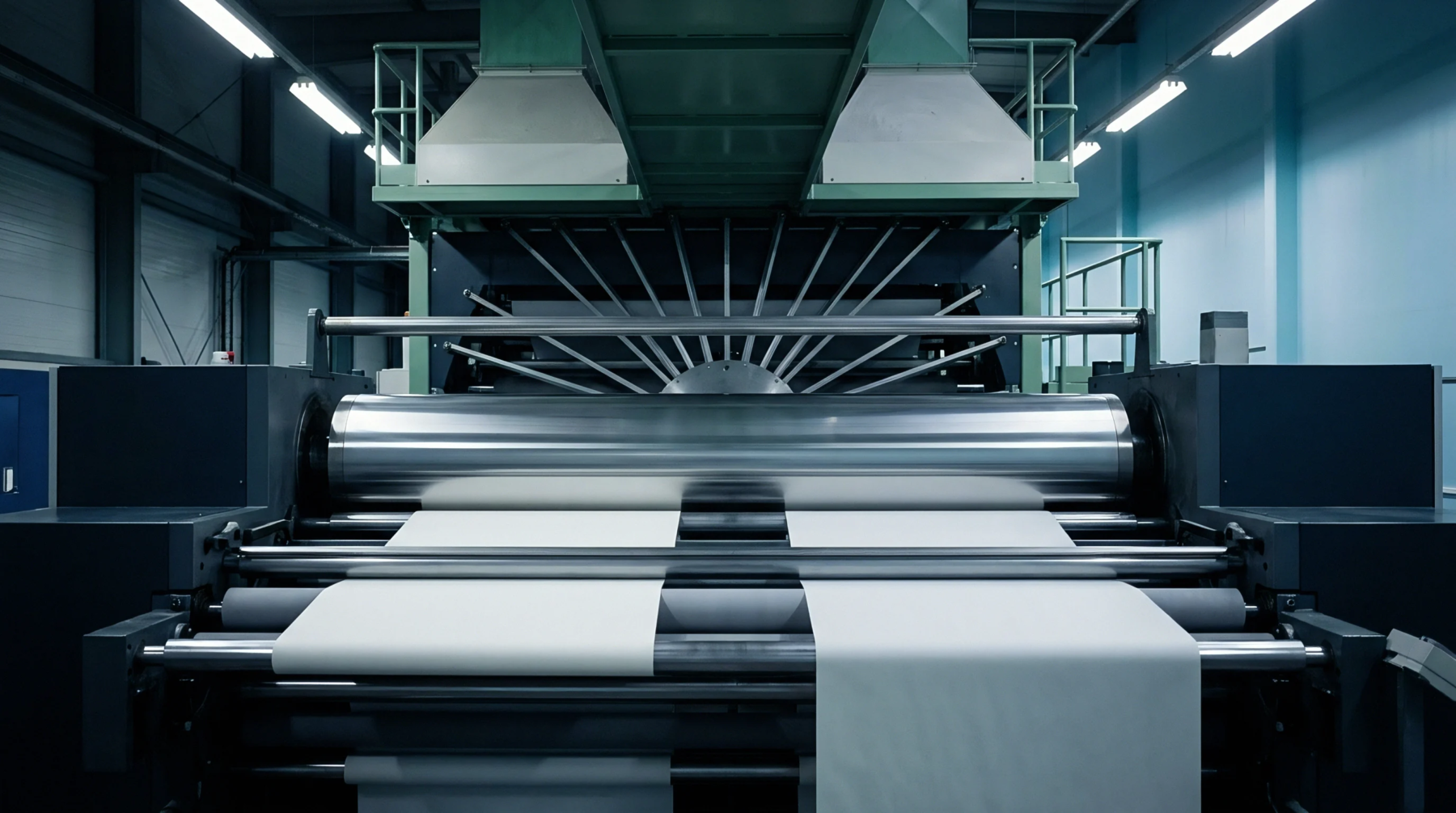
Lateral displacement of the central vertical span on corrugated fibreboard panels arises during high speed transit through converting machinery when shear forces exceed the material stiffness. Out-of-plane web flutter occurs when the thin substrate experiences dynamic oscillation perpendicular to the machine direction under compressive or tension loads. Machine settings control the tension levels at each print station to prevent this instability.
Vacuum transport systems provide the necessary contact to hold the sheet flat against the cylinders. Variations in moisture content reduce the cross directional rigidity and increase the susceptibility of the sheet to these irregular movements.
Performance Threshold
Proper calibration of the pull roll speed helps maintain the tension profile across the full width of the web. This technique prevents the stock from slackening between the impression nip and the drying units. Excessive speed differentials lead to localized buckling of the linerboard.
Correct web tensioning compensates for minor defects in the structural integrity of the paper during the printing phase. Converting lines require consistent feed rates to avoid intermittent contact between the substrate and the frame components. Tension load cells provide real time data to adjust for shifts in machine velocity.
Monitoring the edge guide alignment prevents unnecessary stresses from pushing the web out of its planar state. Rigid control of the draw between stations governs the overall success of the high speed production line.
Dynamic Constraint
Deflection of the paper surface during the converting process disrupts the registration accuracy of multiple color passes. When the web loses its flat orientation, the print alignment suffers across the entire sheet. Reducing the unsupported distance between rollers minimizes the opportunity for harmonic vibration to trigger motion.
Operators calculate the safe span based on the caliper and the basis weight of the incoming fibre stock. Dense papers offer higher resistance to these displacements than lightweight alternatives. Stable web tension maintains the required precision for narrow tolerance applications.
Each production cycle relies on the interplay between mechanical tensioning and the innate stiffness of the substrate to ensure consistent output quality.