Surface Topography
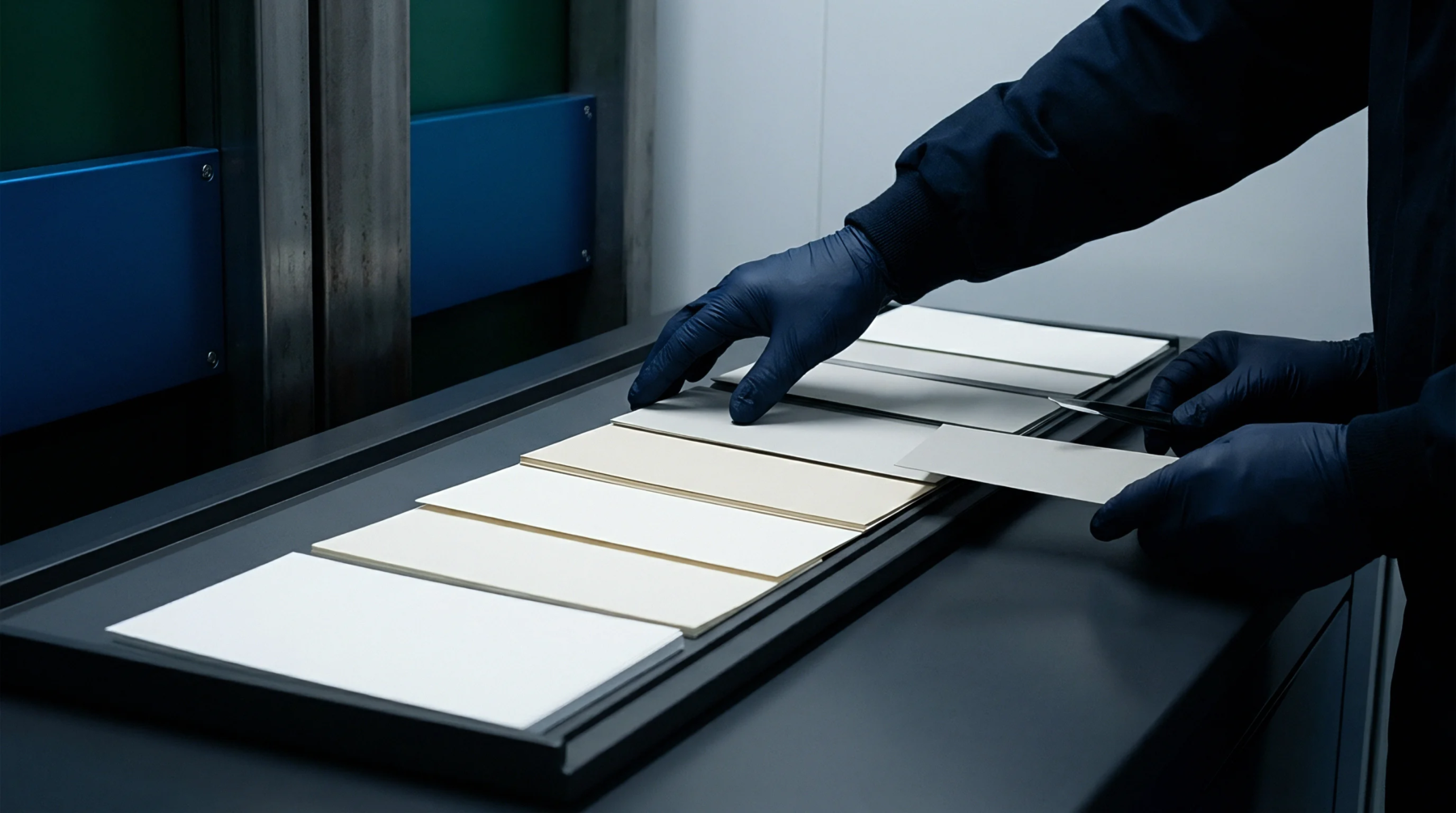
Texture and specular reflectance define the tactile and visual character of converted paperboard substrates. Mechanical calendering and surface coating alter smoothness and ink receptivity during manufacturing processes. In retail carton production, paperboard packaging finish determines visual appeal and print sharpness across target packaging applications.
Scope extends across virgin and recycled paperboard structures, ending where raw unbleached containerboard remains completely untreated.
Property Modification
Pigment coatings combining calcium carbonate and clay fill surface micro-voids, creating flat surfaces for fine halftone printing. Synthetic latex binders bind mineral particles together while providing flexibility required for clean folding along score lines. Cast coating achieves mirror-like gloss levels by drying wet coating against chrome cylinders, whereas matte finishes utilize coarse silica particles to scatter reflected light.
Soft-nip calendering compresses surface fibers uniformly without crushing internal board bulk, preserving bending stiffness while improving smoothness. Gloss varnishes provide protective barriers against scuffing while enhancing color saturation across printed graphics. Soft-touch coatings introduce tactile friction through microscopic polyurethane structures, creating matte surface textures that resist fingerprint marks during retail handling.
Converting Compatibility
Surface energy governs liquid coating wet-out and adhesive bonding during carton assembly. Excessively slick finishes impair cold-glue setting speeds, forcing converters to utilize mechanical flame treatment or specialized hot-melt formulations to secure side seams reliably.