Industrial Byproduct
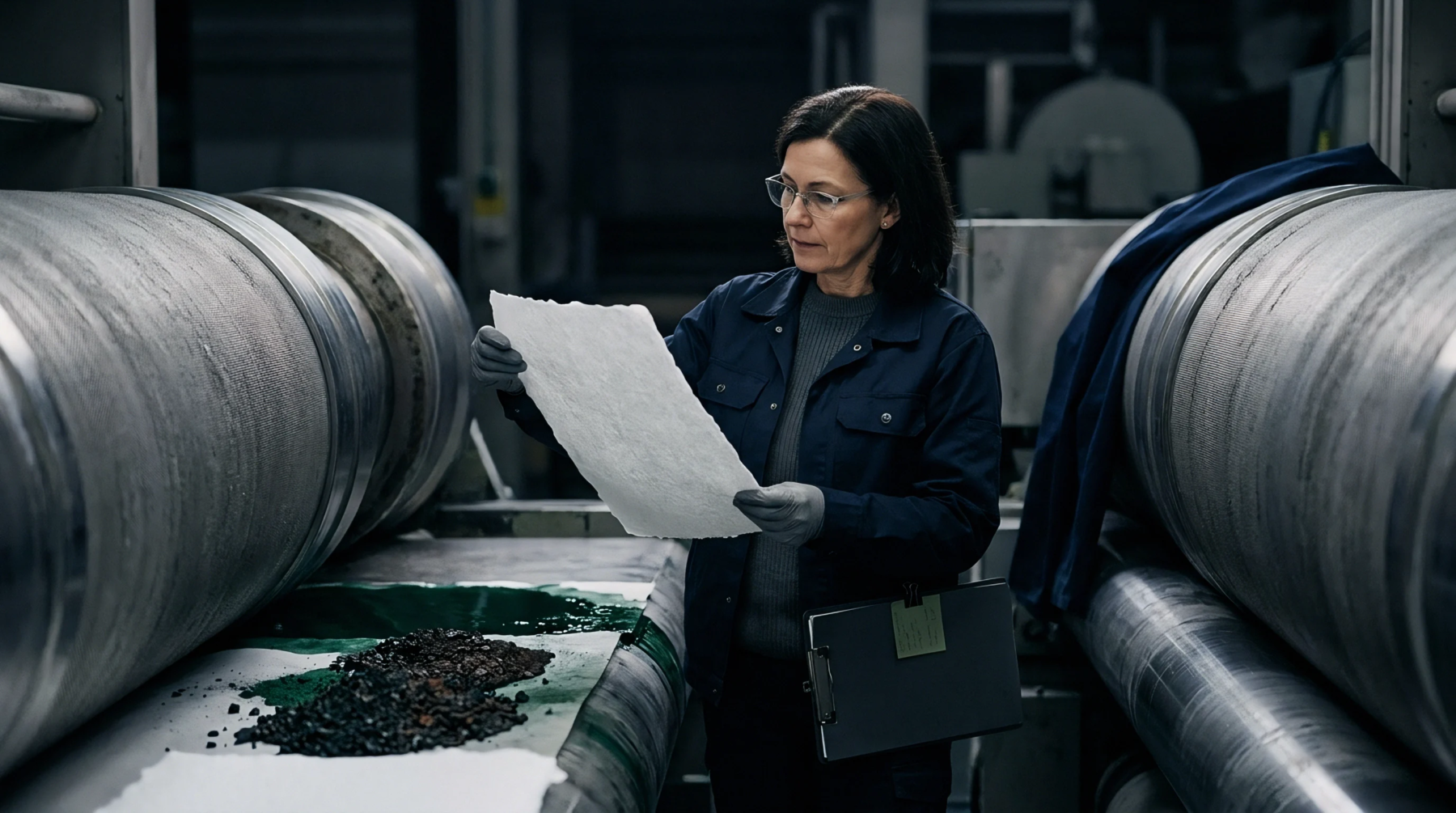
Material diverted from the waste stream during a manufacturing process that has never reached the final consumer. Pre-consumer waste includes paperboard trim, rejected print batches and converting scrap that is collected at the factory level. This material is typically of high quality because its origin and composition are known.
It is a valuable source of clean fiber for the production of recycled paper and board.
Recovery Stream
Factories bale their offcuts and sell them back to paper mills to be repulped. Because this waste has not been contaminated by household use or mixed with other types of refuse, it requires less intensive cleaning than post-consumer sources. It often consists of the same high grade fibers used in the original production run.
Using this waste helps mills maintain the brightness and strength of recycled board. International standards like iso 14021 distinguish this material from post-consumer fiber to provide a clear picture of the recycled content in a product. Separation at the source prevents cross contamination between different board grades.
Economic Value
Efficient waste management inside a converting plant turns a disposal cost into a revenue stream. Mills pay a premium for consistent, sorted pre-consumer scrap that can go directly into the pulper.